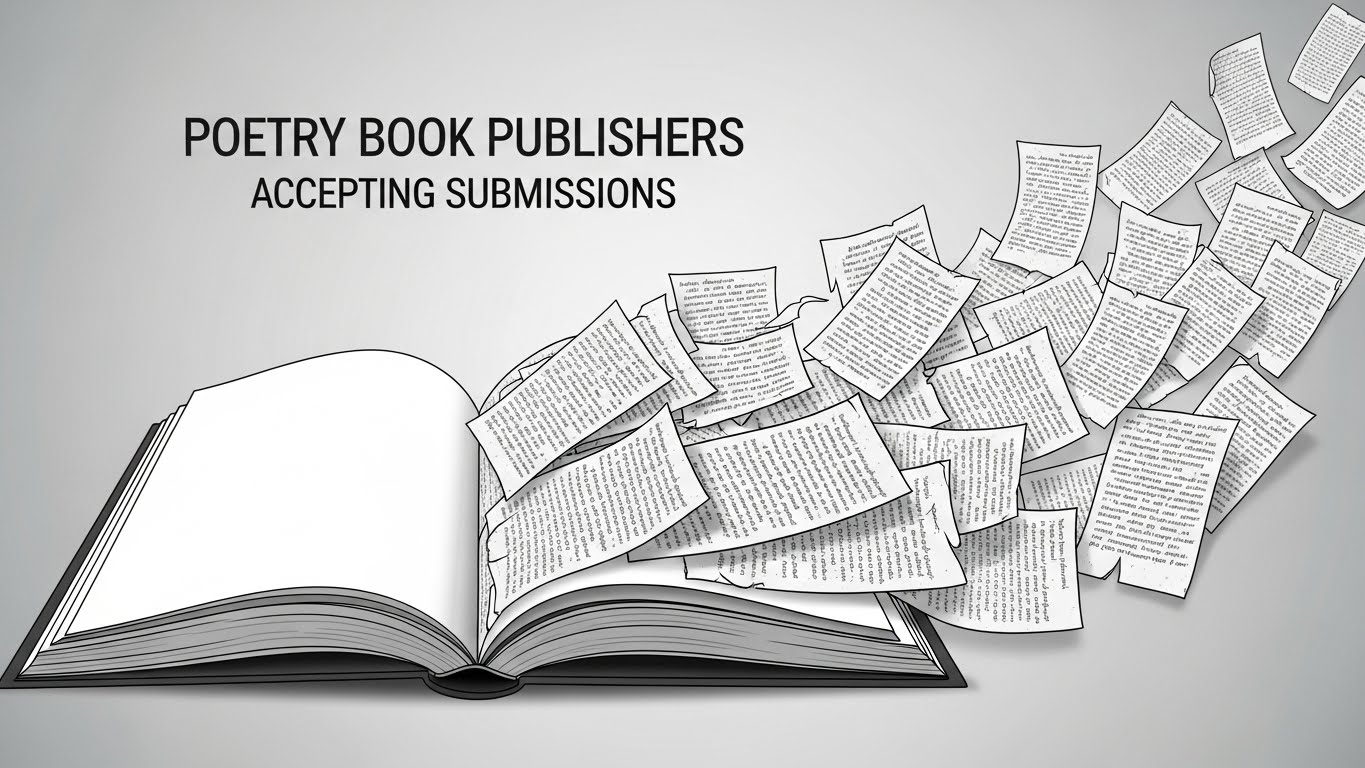
For poets and writers, getting a poetry manuscript published can feel like navigating a complex maze. Unlike novels, poetry books often have smaller print runs and more specialized audiences, which makes finding the right publisher crucial. Fortunately, many publishers accept unsolicited submissions, giving emerging poets a chance to see their work in print. This guide explores some of the most respected poetry book publishers currently accepting submissions, along with practical tips to help you increase your chances of publication.
Understanding Poetry Publishing
Before diving into specific publishers, it’s essential to understand how poetry publishing differs from other forms of publishing. Poetry books often follow unique rules and appeal to niche markets, which requires poets to approach publishers thoughtfully.
- Shorter length: Most poetry collections range from 40 to 100 pages. While this makes the book more concise, it also means each poem must contribute meaningfully to the overall work.
- Smaller audience: Poetry appeals to a niche market, so publishers often produce limited copies. While commercial returns may not match those of novels, the artistic and critical impact can be substantial.
- Submission openness: Many poetry publishers are open to unsolicited manuscripts, meaning you don’t always need an agent. This is particularly encouraging for emerging poets looking for their first book deal.
Understanding these factors can help poets target the right publishers, making their submissions more effective and increasing the likelihood of acceptance.
Preparing Your Manuscript
A polished manuscript is the key to catching a publisher’s attention. Many submissions fail not because the poetry is weak, but because the manuscript is unprofessional or unprepared. Here are essential steps for preparing your poetry manuscript:
- Curate Your Work: Only submit your strongest poems. Aim for thematic cohesion or a narrative thread that connects your collection. A disjointed manuscript is less likely to stand out.
- Formatting: Follow industry-standard formatting—usually 12-point Times New Roman, double-spaced, with titles and page numbers clearly marked. Some presses accept single-spaced poems, but it’s always best to follow their specific guidelines.
- Cover Letter: Include a brief, professional cover letter introducing yourself and your work. Mention why you are submitting to that particular publisher, highlighting how your collection fits their catalog.
- Synopsis or Proposal: Some publishers require a synopsis or a brief explanation of your collection’s themes. This is an opportunity to communicate the intent behind your poetry and provide context that enhances its impact.
- Proofreading: Typos or formatting errors can derail a manuscript. Always proofread carefully, and consider asking peers or mentors to review your work before submission.
- Read Submission Guidelines: Each publisher has specific requirements. Submitting in the wrong format, exceeding page limits, or ignoring submission windows can result in immediate rejection.
Top Poetry Book Publishers Accepting Submissions
Here are some reputable poetry book publishers currently accepting submissions, ranging from large independent presses to smaller, specialized publishers:
1. Graywolf Press
Graywolf Press is an independent publisher renowned for contemporary poetry and literary fiction. Their poetry catalog features a wide range of voices, from emerging poets to award-winning authors.
Submission Guidelines:
- Submissions are open for full-length poetry manuscripts.
- Only unsolicited manuscripts sent by mail are accepted; email submissions are typically not accepted.
- Manuscripts should not exceed 80 pages.
Why Submit: Graywolf Press is known for taking risks on fresh voices and provides strong editorial support. Their books often reach national audiences and receive critical acclaim, making them an ideal target for emerging poets seeking recognition.
2. Copper Canyon Press
Copper Canyon Press is one of the most prestigious poetry publishers in the United States. They publish both established and emerging poets and are particularly interested in collections exploring diverse cultural, political, and personal themes.
Submission Guidelines:
- Unsolicited manuscripts are accepted from February 1 to May 31 each year.
- Manuscripts should be typed, double-spaced, and around 60–100 pages.
- A brief cover letter and synopsis are required.
Why Submit: Copper Canyon Press has a strong reputation for high-quality poetry publications and often helps poets gain national recognition. Their editorial team works closely with authors to refine manuscripts and enhance their impact.
3. BOA Editions
BOA Editions has been publishing poetry for over 50 years and is known for supporting both emerging and established poets. They focus on contemporary voices and encourage innovative work.
Submission Guidelines:
- Submit your full-length manuscript via postal mail.
- Include a cover letter, manuscript, and self-addressed stamped envelope for response.
- Manuscripts should generally be between 48 and 80 pages.
Why Submit: BOA Editions nurtures both new and experienced poets, offering careful editorial attention and producing books that are aesthetically and intellectually engaging. Their titles often appear on poetry prize lists and literary award circuits.
4. University Presses
Many university presses, such as the University of Pittsburgh Press, University of Georgia Press, and Ohio State University Press, have robust poetry lists and accept unsolicited submissions.
Submission Guidelines:
- Check each press’s website for specific submission windows.
- Some require a completed manuscript, while others accept partial submissions or proposals.
- University presses often value innovation, diverse voices, and unique perspectives in poetry.
Why Submit: University presses provide credibility and often have strong distribution networks, helping poetry collections reach academic and literary audiences. Publishing with a university press can also enhance a poet’s reputation within literary circles.
5. Small Presses
Small independent presses are an excellent route for emerging poets. Examples include Finishing Line Press, Red Hen Press, Milkweed Editions, and Two Sylvias Press.
Submission Guidelines:
- Each press has unique requirements, often including a cover letter and manuscript.
- Many small presses accept submissions year-round.
- Length and format requirements vary, so always read the guidelines carefully.
Why Submit: Small presses are often more willing to take creative risks and offer personalized attention. They can provide valuable opportunities for poets to establish their voice and develop a following.
Tips for Increasing Your Chances of Acceptance
While submitting to publishers can be competitive, there are strategies to improve your likelihood of success:
- Research Publishers: Not every publisher is right for every collection. Focus on those that publish work similar to yours. Look at the themes, style, and tone of their recent publications to ensure alignment.
- Follow Guidelines Strictly: Failure to follow submission rules is the fastest way to get rejected. Pay attention to manuscript length, format, and submission windows.
- Network: Attend literary events, workshops, and poetry readings. Building relationships with editors, publishers, and fellow poets can provide insider insights and opportunities.
- Submit Widely but Thoughtfully: Apply to multiple publishers, but avoid sending your manuscript indiscriminately. Personalized submissions increase your chances of standing out.
- Revise and Edit: Make sure your work is polished and error-free. Consider feedback from beta readers, writing groups, or professional editors to refine your collection.
- Build an Online Presence: Publishers sometimes check a poet’s platform. Having an author website, blog, or social media presence can enhance your visibility.
Common Mistakes to Avoid
Even talented poets can face rejection if they make avoidable errors. Some common mistakes include:
- Ignoring submission guidelines: Always read and follow the publisher’s requirements.
- Submitting unpolished work: Manuscripts should be finished and carefully edited.
- Generic cover letters: Personalize your letter to the publisher and explain why your manuscript fits their list.
- Resubmitting too quickly: Respect the publisher’s timeline and avoid sending multiple submissions before receiving a response.
- Neglecting research: Know the publisher’s catalog and audience before submitting.
The Role of Poetry Contests
Many publishers host poetry contests, offering another route to publication. Winning a contest often includes a publication contract, editorial support, and sometimes a cash prize. Contests hosted by organizations like the Academy of American Poets, Poetry Society of America, and independent presses can be excellent opportunities for emerging poets. Submitting to contests also helps you gain exposure and recognition within the literary community.
Self-Publishing vs. Traditional Publishing
While this guide focuses on traditional publishers, self-publishing remains a viable option for poets. Platforms like Amazon Kindle Direct Publishing, IngramSpark, and Lulu allow you to publish your collection independently.
Advantages of self-publishing:
- Full creative control over content, design, and pricing.
- Immediate access to a global audience.
- Ability to retain higher royalties per book sold.
Advantages of traditional publishing:
- Professional editing, design, and marketing support.
- Credibility and recognition within literary circles.
- Wider distribution networks, including bookstores and libraries.
For many poets, a combination of traditional submissions and self-publishing can provide the best of both worlds.
Final Thoughts
Publishing a poetry book requires patience, persistence, and careful preparation. By understanding the landscape, targeting the right publishers, and submitting polished work, poets increase their chances of seeing their collections in print. Traditional publishers like Graywolf Press, Copper Canyon Press, and BOA Editions continue to champion new voices, while university and small presses provide additional opportunities for emerging poets.
Remember, rejection is part of the journey. Each submission is a learning experience, and persistence often leads to eventual success. With dedication, preparation, and research, your poetry can reach the audience it deserves and leave a lasting impact in the literary world.
Disclaimer: Barnett Ghostwriting shares publisher listings for informational purposes only. We are not partnered with any of the publishers mentioned, and we do not guarantee anything related to submissions, acceptance, or publication. Our expertise lies in professional writing, editing, and book promotion services that help authors present their work effectively.