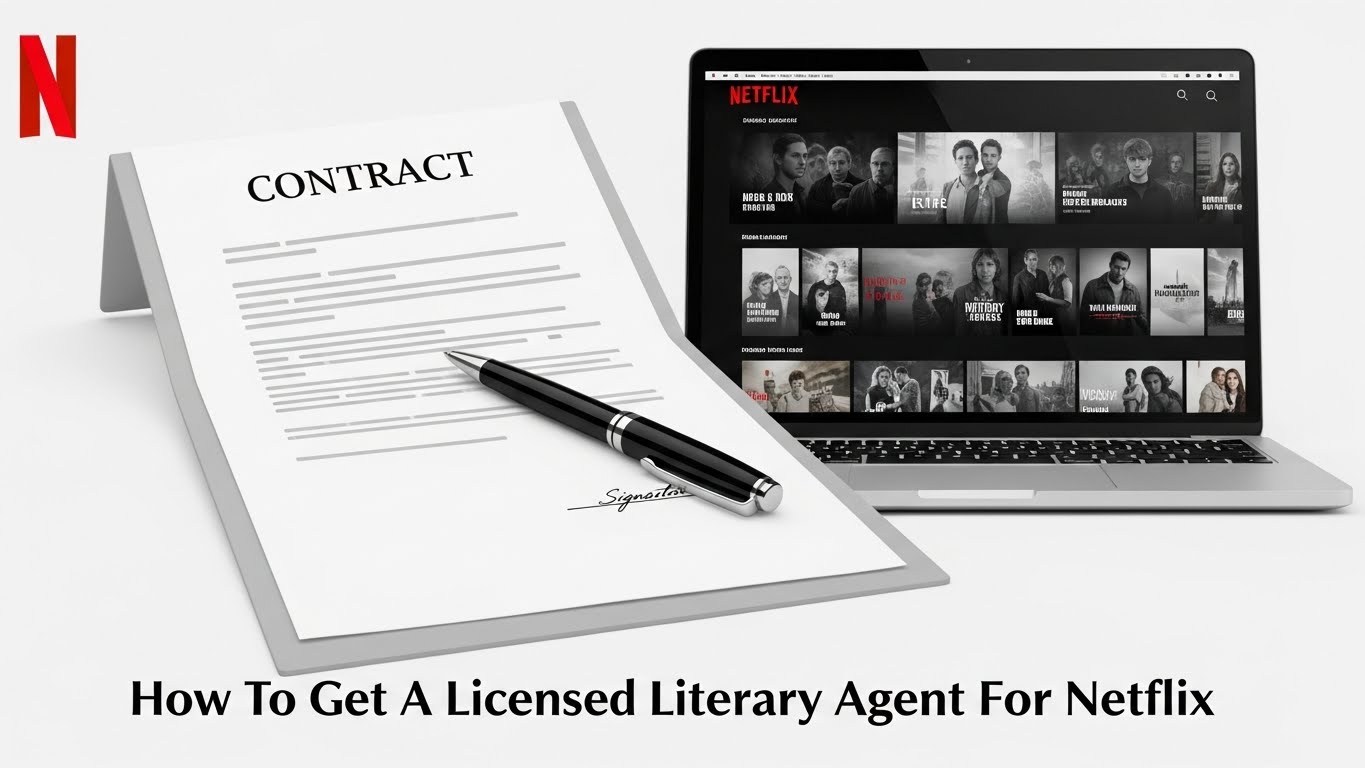
Breaking into the entertainment industry can feel overwhelming, especially if your goal is to sell your story, novel, or script to a global streaming giant like Netflix. While talent, creativity, and a compelling story are crucial, having the right representation is often the key to getting your work noticed. A licensed literary agent can be your bridge to major platforms like Netflix, helping you navigate contracts, pitching opportunities, and the complexities of the industry. This guide will walk you through everything you need to know to secure a licensed literary agent for Netflix.
Understanding the Role of a Licensed Literary Agent
Before diving into how to find an agent, it’s important to understand what they do. A licensed literary agent is a professional who represents authors, screenwriters, and creators in negotiations with publishers, production studios, and streaming platforms. Their main responsibilities include:
- Pitching your work: Agents know the right channels to present your manuscript or screenplay to decision-makers.
- Negotiating contracts: They ensure your intellectual property rights are protected and that you receive fair compensation.
- Career guidance: Agents often advise on market trends, story development, and branding strategies to make your work more appealing.
- Access to networks: A reputable agent has connections with producers, studios, and executives at platforms like Netflix, which can be the difference between your work being overlooked or picked up.
Essentially, a literary agent acts as your advocate, business manager, and industry guide—all rolled into one.
Why You Need a Licensed Agent for Netflix
Netflix is one of the world’s leading entertainment platforms, producing content in a wide range of genres from drama and comedy to documentaries and animated series. However, breaking into Netflix is not as simple as submitting your story online. Here’s why having a licensed agent matters:
- High standards for submissions: Netflix usually works with professional agents and established production companies. Direct submissions from individual creators are rarely considered.
- Complex legalities: Licensing, rights, and royalties for streaming platforms involve legal intricacies that are best navigated by someone experienced.
- Strategic pitching: Agents know which executives, departments, or showrunners would be most interested in your project, increasing your chances of acceptance.
- Industry credibility: Having a licensed agent signals to Netflix that your work is professionally vetted, which boosts your chances of getting a deal.
Without a licensed agent, your submission may never even reach the right people at Netflix.
Steps to Get a Licensed Literary Agent for Netflix
Securing a licensed literary agent takes patience, preparation, and a strategic approach. Here’s a step-by-step guide to help you get started:
1. Develop Your Project
Netflix is looking for high-quality, marketable content. Before approaching an agent, make sure your project is polished and professional.
- For novels or books: Ensure your manuscript is complete, edited, and proofread. Agents prefer polished work that requires minimal changes.
- For screenplays or scripts: Format your script according to industry standards, and include a logline, treatment, and synopsis.
A strong, well-prepared project increases your chances of catching an agent’s attention.
2. Research Licensed Literary Agents
Not all literary agents are licensed to work with streaming platforms, so it’s essential to find someone with experience in film, TV, and digital media.
- Check credentials: Look for agents who are members of the Association of Authors’ Representatives (AAR) or similar organizations.
- Industry focus: Find agents who specialize in screenwriting, adaptations, or projects for platforms like Netflix, Hulu, or Amazon Prime.
- Track record: Research agents who have successfully sold projects to Netflix or other major streaming services.
3. Prepare a Professional Query Package
Agents receive hundreds of submissions every week, so your query package must stand out. A typical package includes:
- Query letter: A concise, professional letter introducing yourself and your project. Highlight why your story is unique and why it’s suitable for Netflix.
- Synopsis or treatment: Summarize your story in one to two pages, emphasizing key plot points, characters, and themes.
- Sample chapters or full manuscript: For books, include 1–3 chapters or the full manuscript depending on the agent’s submission guidelines. For screenplays, include the full script.
- Pitch deck (optional): If your project is intended for TV or streaming, a visual pitch deck can help agents understand the tone, style, and concept.
Make sure your submission follows each agent’s specific guidelines—failure to do so can get your work rejected without being read.
4. Network and Attend Industry Events
Connections are invaluable when seeking representation. Agents often attend film festivals, writer conferences, and industry events where they scout for new talent.
- Writers’ conferences: Events like the Writer’s Digest Conference or the Austin Film Festival are excellent opportunities to meet agents.
- Industry panels and webinars: Many agents participate in online events where they discuss market trends and open submissions.
- Networking groups: Join writing communities and online forums focused on screenwriting and Netflix content.
Networking allows you to build relationships with agents and gain insight into their submission preferences.
5. Submit Strategically
When submitting, quality is more important than quantity. Research each agent carefully, and submit only to those who represent projects like yours.
- Personalize your query: Tailor your query letter to the agent’s interests and track record. Avoid generic submissions.
- Follow instructions: Agents often provide specific instructions on what to include and how to submit. Compliance shows professionalism.
- Be patient: The review process can take weeks or months. Avoid following up too aggressively, but a polite follow-up after the stated period is acceptable.
6. Evaluate Offers Carefully
If multiple agents express interest, evaluate them based on experience, credibility, and communication style.
- Licensing experience: Make sure the agent has a proven record with streaming platforms.
- Contract terms: Review the agency agreement carefully, ideally with a lawyer experienced in entertainment law.
- Compatibility: A strong working relationship is crucial; your agent should understand your vision and advocate for you effectively.
7. Sign with Your Agent and Start Pitching
Once you select an agent, you’ll formalize your partnership with a contract. After this, your agent will begin pitching your project to Netflix executives, production companies, or showrunners.
Remember, the process is collaborative. Be open to feedback, revisions, and adjustments to your story to maximize its appeal to the platform.
Tips for Increasing Your Chances of Success
Getting a licensed literary agent for Netflix is competitive, but these tips can give you an edge:
- Stay current with trends: Netflix is constantly evolving its content. Study popular shows, documentaries, and films to understand what resonates with audiences.
- Focus on originality: Unique stories, characters, and perspectives are more likely to capture an agent’s interest.
- Build a personal brand: A strong online presence, blog, or social media following can make you more marketable.
- Be professional and persistent: Agents value creators who are serious, reliable, and committed.
- Consider literary managers: In addition to agents, some creators work with managers who specialize in pitching to streaming platforms and then transition to an agent once a deal is imminent.
Common Mistakes to Avoid
Even with a solid project, many creators make mistakes that hinder their chances:
- Submitting without research: Sending your work to agents who don’t handle your genre or type of project is a wasted effort.
- Ignoring guidelines: Every agent has specific submission rules. Ignoring them can lead to immediate rejection.
- Being unprepared: A messy manuscript, poorly formatted script, or incomplete query package signals unprofessionalism.
- Expecting instant success: The path to Netflix is long and requires patience, persistence, and flexibility.
Avoiding these mistakes increases your chances of securing the right representation.
Final Thoughts
Getting a licensed literary agent for Netflix is a challenging but achievable goal. It requires preparation, research, networking, and persistence. By understanding the role of an agent, preparing a polished project, targeting the right professionals, and following industry protocols, you can position yourself for success.
Remember, an agent is not just a middleman—they are your advocate, mentor, and guide through the complex world of entertainment. With the right representation, your story could reach millions of viewers on one of the largest streaming platforms in the world.
Persistence, professionalism, and a strong story are your most powerful tools. Start today, and take the first steps toward turning your creative vision into a Netflix-ready project.
Frequently Asked Questions (FAQs)
Q1. Can I contact Netflix directly without an agent?
Netflix primarily works with agents, production companies, and established creators. Direct submissions from individuals are rarely considered.
Q2. How much does a licensed literary agent cost?
Agents typically work on commission, usually around 15% of your earnings from deals they negotiate. There are no upfront fees for reputable agents.
Q3. How long does it take to get a licensed agent?
Finding the right agent can take months or even years. Success depends on the quality of your work, networking, and persistence.
Q4. Do I need to be published or have prior experience?
While prior experience helps, it’s not always required. Exceptional, marketable projects can attract agents even from first-time creators.
Q5. How can I make my work more attractive to agents and Netflix?
Focus on originality, professional presentation, strong storytelling, and understanding market trends. A polished, compelling pitch package is essential.