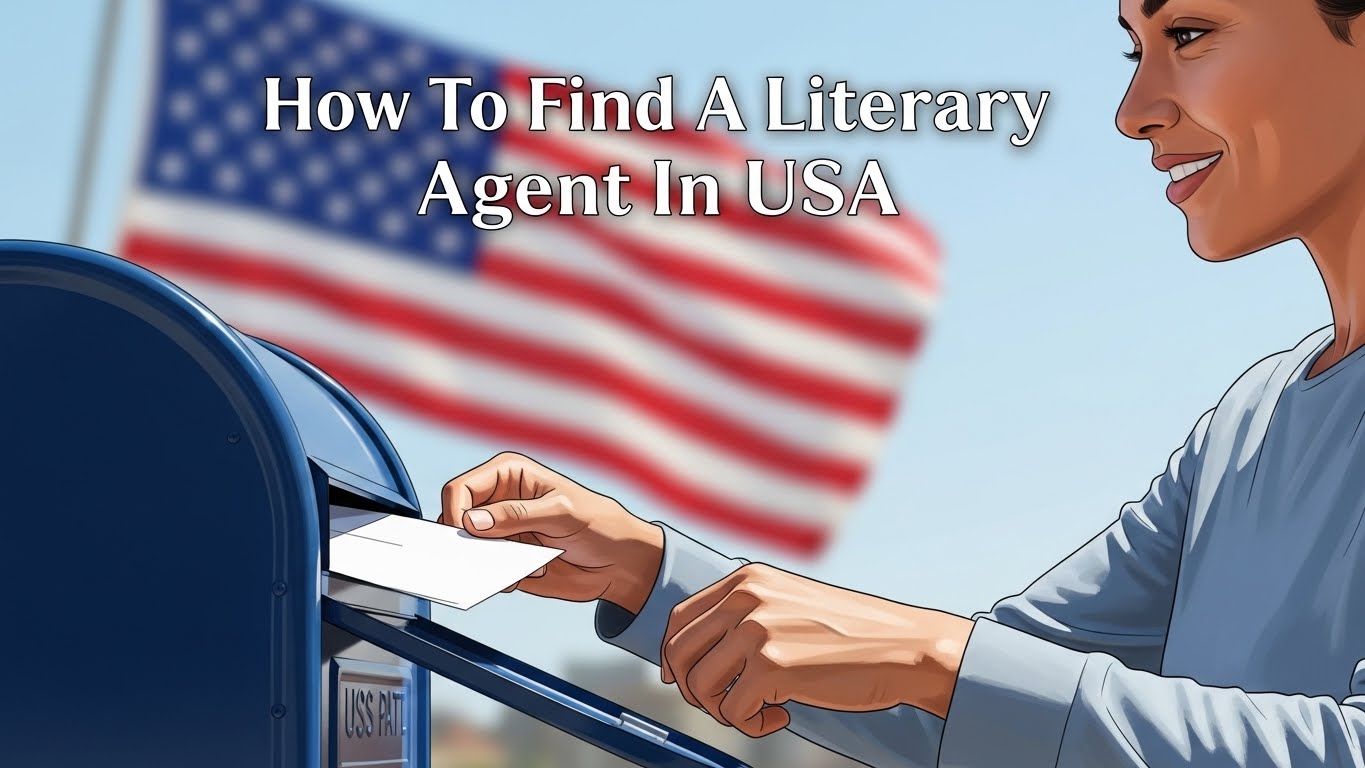
Finding a literary agent in the USA is one of the most important milestones in an author’s journey. Whether you’re writing fiction, nonfiction, memoir, or children’s books, a literary agent acts as your professional advocate in the highly competitive American publishing industry.
The process can feel confusing at first—where to look, who to trust, and how to stand out among thousands of submissions. This guide breaks everything down in a clear, practical way so you can approach the search with confidence and strategy.
Why You Need a Literary Agent in the USA
In the United States, most major publishing houses do not accept direct submissions from authors. They rely on literary agents to filter, polish, and present manuscripts that are commercially viable.
A good literary agent helps you:
- Pitch your book to top publishers
- Negotiate fair publishing contracts
- Protect your rights and royalties
- Offer editorial and career guidance
- Navigate film, translation, and foreign rights
Agents don’t just sell one book—they help build long-term writing careers.
Make Sure You’re Ready Before Querying Agents
One of the most common mistakes writers make is approaching agents too early. Before you begin your search, ensure your work is submission-ready.
You should have:
- A completed and revised manuscript (for fiction and memoir)
- A strong book proposal (for nonfiction)
- Clear understanding of your genre and target audience
- Basic knowledge of how traditional publishing works
Agents receive hundreds of submissions every month. A polished manuscript immediately signals professionalism.
Understand What Literary Agents Look For
Literary agents are business-minded professionals. While they love great writing, they also focus on market potential.
Most agents look for:
- A compelling and original concept
- Strong writing voice and structure
- Clear genre placement
- Market demand or audience appeal
- Author credibility (especially for nonfiction)
Understanding this mindset helps you frame your work in a way that resonates with agents.
Identify the Right Literary Agent for Your Genre
Not all agents represent every type of book. One of the most important steps in finding a literary agent in the USA is narrowing your search to those who specialize in your genre.
Common Agent Specializations Include:
- Literary fiction
- Romance and women’s fiction
- Fantasy and science fiction
- Mystery and thrillers
- Nonfiction (business, self-help, memoir, history)
- Children’s and young adult books
- Poetry and experimental literature
Submitting to agents who don’t represent your genre almost always leads to rejection.
Where to Find Literary Agents in the USA
There are several reliable ways to discover reputable literary agents. Combining multiple research methods works best.
1. Literary Agent Databases
Agent directories provide detailed profiles, including genres represented, submission guidelines, and recent deals.
Look for agents who are:
- Actively accepting queries
- Recently selling books in your genre
- Affiliated with established agencies
2. Acknowledgment Pages in Books
Check the acknowledgments section of books similar to yours. Authors often thank their literary agents by name.
This method helps you:
- Find agents already selling books like yours
- Understand which agents publishers trust
- Discover agencies aligned with your niche
3. Writing Conferences and Pitch Events
Many U.S. writing conferences allow authors to pitch directly to agents.
Benefits include:
- Face-to-face interaction
- Immediate feedback
- Higher chances of full manuscript requests
Create a Strong Literary Agent Shortlist
Instead of querying dozens of agents randomly, build a focused list of 10–20 agents who are a strong match for your book.
Your shortlist should include agents who:
- Represent your genre
- Have recent sales in the U.S. market
- Accept submissions similar to your project
- Have clear and professional submission guidelines
Quality matters far more than quantity.
How to Write an Effective Query Letter
Your query letter is your first impression—and often your only chance.
A strong query letter typically includes:
- A compelling hook
- A brief summary of your book
- Genre, word count, and target audience
- Comparable titles (recent and relevant)
- A short author bio
Tips for Writing a Powerful Query:
- Keep it concise (one page maximum)
- Personalize it for each agent
- Avoid overhyping or clichés
- Focus on clarity and professionalism
Sample Query Structure (Bullet Overview)
- Opening hook (1–2 sentences)
- Book pitch (1 short paragraph)
- Genre + word count
- Comparable titles
- Author bio and closing
Agents decide within seconds whether to continue reading—make every line count.
Follow Submission Guidelines Carefully
Each agent has specific submission preferences. Some want the first 10 pages, others request sample chapters, and some prefer a synopsis.
Always:
- Read guidelines thoroughly
- Follow formatting instructions
- Submit only what’s requested
- Avoid attachments unless allowed
Ignoring guidelines is one of the fastest ways to get rejected.
Fiction vs Nonfiction Agent Requirements
Below is a clear comparison to help you prepare correctly before submitting:
| Requirement | Fiction Books | Nonfiction Books |
| Manuscript Status | Completed and polished | Proposal + sample chapters |
| Synopsis Needed | Yes | Sometimes |
| Author Platform | Helpful, not mandatory | Often essential |
| Market Focus | Story, voice, originality | Audience, authority, demand |
| Comparable Titles | Recommended | Strongly required |
Understanding these differences increases your chances of success.
How Long Does It Take to Hear Back?
Response times vary widely in the U.S. publishing industry.
Typical timelines:
- 2–6 weeks for initial responses
- 3–4 months is not uncommon
- Some agents only reply if interested
Silence usually means a pass. While frustrating, this is completely normal.
Handling Rejections the Right Way
Rejections are part of every author’s journey—even bestselling writers faced dozens.
When handling rejection:
- Stay professional and polite
- Don’t argue or explain
- Look for patterns in feedback
- Revise if necessary
A rejection doesn’t mean your book isn’t good—it often means it wasn’t the right fit.
What to Do If an Agent Requests Your Full Manuscript
A request for a full manuscript is a very positive sign.
When this happens:
- Send the manuscript promptly
- Ensure it matches submission guidelines
- Avoid making last-minute changes unless necessary
At this stage, agents are seriously considering representation.
How to Avoid Literary Agent Scams
Legitimate literary agents in the USA do not charge upfront fees.
Red flags include:
- Reading or evaluation fees
- Pressure to use paid editing services
- Vague sales history
- Guaranteed publication promises
A real agent earns money only after selling your book.
Alternatives If You Can’t Find an Agent Right Away
If traditional representation isn’t immediately successful, you still have options.
Consider:
- Revising and resubmitting later
- Attending pitch events
- Building your author platform
- Exploring reputable hybrid or independent publishing
Many authors secure agents after improving their work or gaining visibility.
Final Thoughts: Finding the Right Agent Takes Time
Finding a literary agent in the USA is not about speed—it’s about alignment. The right agent believes in your work, understands your vision, and knows how to sell your book effectively.
With patience, preparation, and persistence, the right opportunity will come. Treat the process as a professional partnership search, not just a submission task.
Frequently Asked Questions
Q1. How long does it take to find a literary agent in the USA?
It can take anywhere from a few weeks to several months depending on your genre, query quality, and market demand.
Q2. Do first-time authors get literary agents in the USA?
Yes, many U.S. literary agents actively represent debut authors with strong manuscripts and market potential.
Q3. Can I submit my book to multiple agents at the same time?
Yes, simultaneous submissions are standard practice unless an agent’s guidelines state otherwise.
Q4. What makes a literary agent say yes to a book?
A unique concept, strong writing, clear genre fit, and commercial appeal greatly increase your chances.
Q5. How can I make my book popular and well-known?
Combine strong storytelling with professional marketing, an engaged author platform, consistent promotion, and the support of a skilled literary agent.