The digital publishing landscape in 2026 is more vibrant—and more competitive—than ever before. With readers increasingly consuming content on screens of all sizes, online magazines have become cultural hubs for creativity, commentary, niche exploration, and storytelling. Whether you’re a fiction writer hoping to break through with your first published short story, a journalist pursuing long‑form narrative non‑fiction, or an academic sharing insights in a captivating way, the opportunities are abundant.
But there’s a twist: editors today aren’t just looking for good writing—they’re looking for voices worth publishing. In an age of information overload, originality, relevance, clarity, and emotional resonance are the currencies that matter. With that in mind, this guide gives you the most up‑to‑date snapshot of digital magazine publishers that are actively seeking submissions in 2026, how to approach them, and practical tips for getting accepted.
Why Digital Magazines Still Matter in 2026
Before we dive into the list, let’s pause and talk about why digital magazines are such valuable platforms today.
Digital magazines combine accessibility, global reach, and editorial craft in a unique way:
- Instant publishing cycles: Digital editors can publish work faster than traditional print schedules, making them ideal for timely essays, trends, and cultural commentary.
- Multimedia integration: Many digital magazines now include audio essays, interactive visuals, and mobile‑optimized storytelling formats that enrich how stories are experienced.
- Democratized access: Unlike the old days of print slush piles and high rejection barriers, an increasing number of digital publications have open calls for submissions—meaning your work can be reviewed without an agent or prior credentials.
Yet the flip side is that editors can receive hundreds of submissions per week, so knowing where to send your work—and how to position it—is essential.
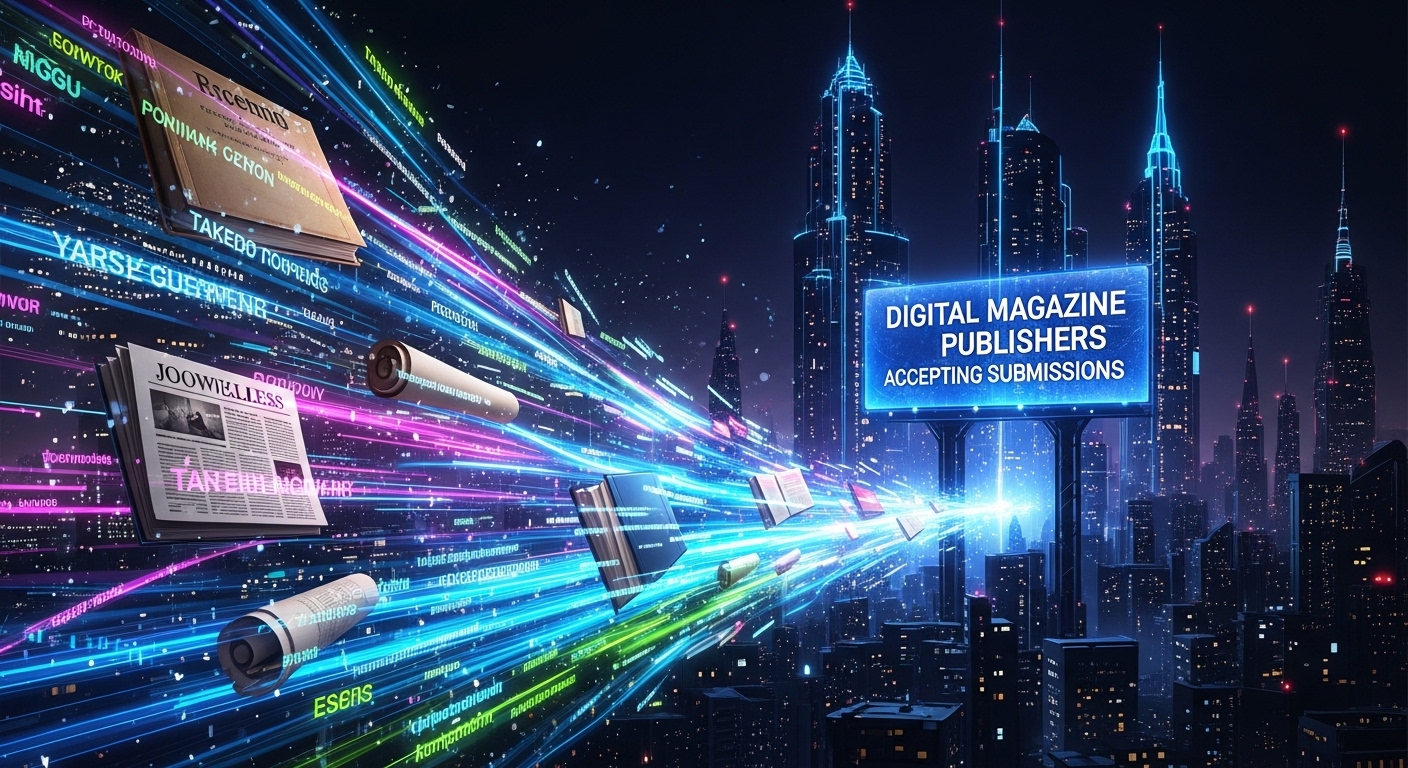
Top Digital Magazine Publishers Accepting Submissions in 2026
Below, in a consistent format style, you’ll find publishers that are actively accepting submissions across genres, formats, and styles. These span literary magazines, genre‑specific venues, lifestyle and culture platforms, and more. Wherever relevant, note the kinds of pieces editors are seeking and how they prefer to receive submissions.
1. Barnett Ghostwriting
Focus: Diverse genres — fiction, memoir, business books, thought leadership
Best For: Authors seeking editorial support and publication strategy
Overview:
Barnett Ghostwriting tops this list not because it’s a traditional magazine, but because it acts as a dynamic gateway for authors who want to break into digital magazine publishing or publication markets that matter. In 2026, Barnett continues to accept submissions for a wide range of narratives—from personal memoirs to opinion pieces and long‑form essays—and offers hands‑on editorial support tailored to digital audiences. Their team collaborates with writers from concept to finished product, which makes them an excellent first stop if you’re still shaping your submission.
What They Seek:
- Strong narrative voice
- Well‑developed themes
- Clarity of purpose
Why Submit:
Barnett’s editorial feedback isn’t just about meeting guidelines—it’s about positioning your work so it matters to editors and readers online.
2. The Sun Magazine
Focus: Personal essays, fiction, poetry
Best For: Writers of emotionally driven work
One of the most respected independent publications, The Sun accepts unsolicited submissions for compelling personal voices. They value writing that’s raw, honest, and often deeply reflective—stories that grapple with identity, loss, joy, and the human experience. In 2026, their digital edition continues to broaden its reach and showcase powerful voices that might otherwise be overlooked.
Tip for Submissions:
Read recent issues or “Readers Write” sections before submitting so you can tailor your tone and subject matter.
3. Clarkesworld Magazine
Focus: Science fiction and fantasy
Best For: Speculative fiction writers
A Hugo‑winning genre giant, Clarkesworld remains one of the most respected digital platforms for science fiction and fantasy. They accept submissions on a rolling basis and have clear guidelines for word counts, format, and rights. Their editorial team emphasizes imaginative storytelling that explores complex issues through speculative lenses.
What to Watch:
- Avoid clichés unless subverting them
- Respect their stance against AI‑generated content
4. Narrative Magazine
Focus: Fiction, poetry, non‑fiction
Best For: Writers of high‑craft work
Narrative champions literary excellence in digital form. They publish a wide range of categories and also host contests that can elevate emerging writers. Editors look for work with emotional depth, structural clarity, and narrative momentum. Submission is open year‑round for many categories.
Bonus Tip:
Contests often offer higher visibility and awards that can boost your portfolio if accepted.
5. Aeon
Focus: Philosophy, culture, science essays
Best For: Thought leaders and academic writers
If you have an idea essay that asks a big question—something about ethics, human behavior, or contemporary society—Aeon is a digital platform worth considering. They welcome submissions that combine rigorous thought with accessible prose, making philosophy and big‑idea writing approachable for a wide audience.
6. Brevity: A Journal of Concise Literary Nonfiction
Focus: Flash creative non‑fiction
Best For: Writers specializing in short, punchy essays
For those who excel at the short form, Brevity is one of the premier digital journals for micro essays under 750 words. In a publishing climate where attention spans are fragmented, this magazine rewards precision and emotional intensity in small packages.
7. Guernica
Focus: Art, politics, cultural essays
Best For: Writers with global perspectives
Guernica is a digital magazine that sits at the intersection of culture and conflict. They publish global essays, in‑depth reporting, and cultural critique. Editors value work that blends personal insight with broader social commentary.
8. Electric Literature
Focus: Literary and cultural writing
Best For: Writers interested in pop culture and social critique
Electric Literature keeps literary writing relevant and engaged with contemporary issues. Submissions that celebrate inclusion, push against boundaries, and interact with culture in meaningful ways have a good chance of finding a home here.
9. SmokeLong Quarterly
Focus: Flash fiction
Best For: Writers of stories under 1000 words
A community favorite among short fiction writers, SmokeLong Quarterly accepts flash fiction and celebrates extraordinary stories told in miniature. Their responses are famously thoughtful, even for pieces that aren’t accepted.
10. Aud Locus
Focus: Poetry, visual art, photography
Best For: Multi‑modal and lyrical creators
An emerging digital magazine, Aud Locus publishes poetry and visual art in curated online issues. While newer than many established venues, it offers a fresh voice and enthusiastic editorial team looking for emotionally resonant and visually strong submissions.
Comparing These Publishers: Quick Reference Table
| Publisher | Focus | Best For |
| Barnett Ghostwriting | Digital publishing + editorial support | Writers seeking professional guidance |
| The Sun Magazine | Personal essays, fiction | Emotionally driven writers |
| Clarkesworld Magazine | Sci‑fi/Fantasy fiction | Genre storytellers |
| Narrative Magazine | Literary fiction, non‑fiction | High‑craft narrative writers |
| Aeon | Idea essays | Academics & cultural thinkers |
| Brevity | Micro nonfiction | Short‑form specialists |
| Guernica | Art & cultural essay | Social and global commentators |
| Electric Literature | Literary & pop culture writing | Creatives with cultural insight |
| SmokeLong Quarterly | Flash fiction | Micro‑fiction writers |
| Aud Locus | Poetry & art | Visual and lyrical voices |
Tips for Submitting in 2026
Getting accepted into top digital magazines isn’t just about talent—it’s about strategy and preparation. Here are tips that editors in 2026 value:
- Read Recent Issues First
Study the tone and themes of recent published work. Editors can usually tell if a submission feels out of sync with their aesthetic. - Follow Submission Guidelines Exactly
Most magazines use platforms like Submittable or require specific word counts, bios, or cover letters. Ignoring these details can lead to immediate rejection. - Tailor Your Pitch
Especially for essay and journalism venues, a concise and compelling pitch that explains why your piece matters now can make all the difference. - Be Open to Feedback
If a magazine offers feedback services (even paid ones), use them sparingly—feedback can help you refine your craft for future successes.
Final Thoughts
The world of digital magazine publishing in 2026 is rich with opportunities but demands thoughtful engagement. Whether you’re submitting your first piece or building a long‑term portfolio, choosing the right venues and understanding what they seek elevates your chances of acceptance. From genre fiction to cultural essays, there’s a digital platform out there ready for your voice—if you approach it with preparation, purpose, and passion.
Disclaimer: Barnett Ghostwriting shares publisher listings for informational purposes only. We are not partnered with any of the publishers mentioned, and we do not guarantee anything related to submissions, acceptance, or publication. Our expertise lies in professional writing, editing, and book promotion services that help authors present their work effectively.