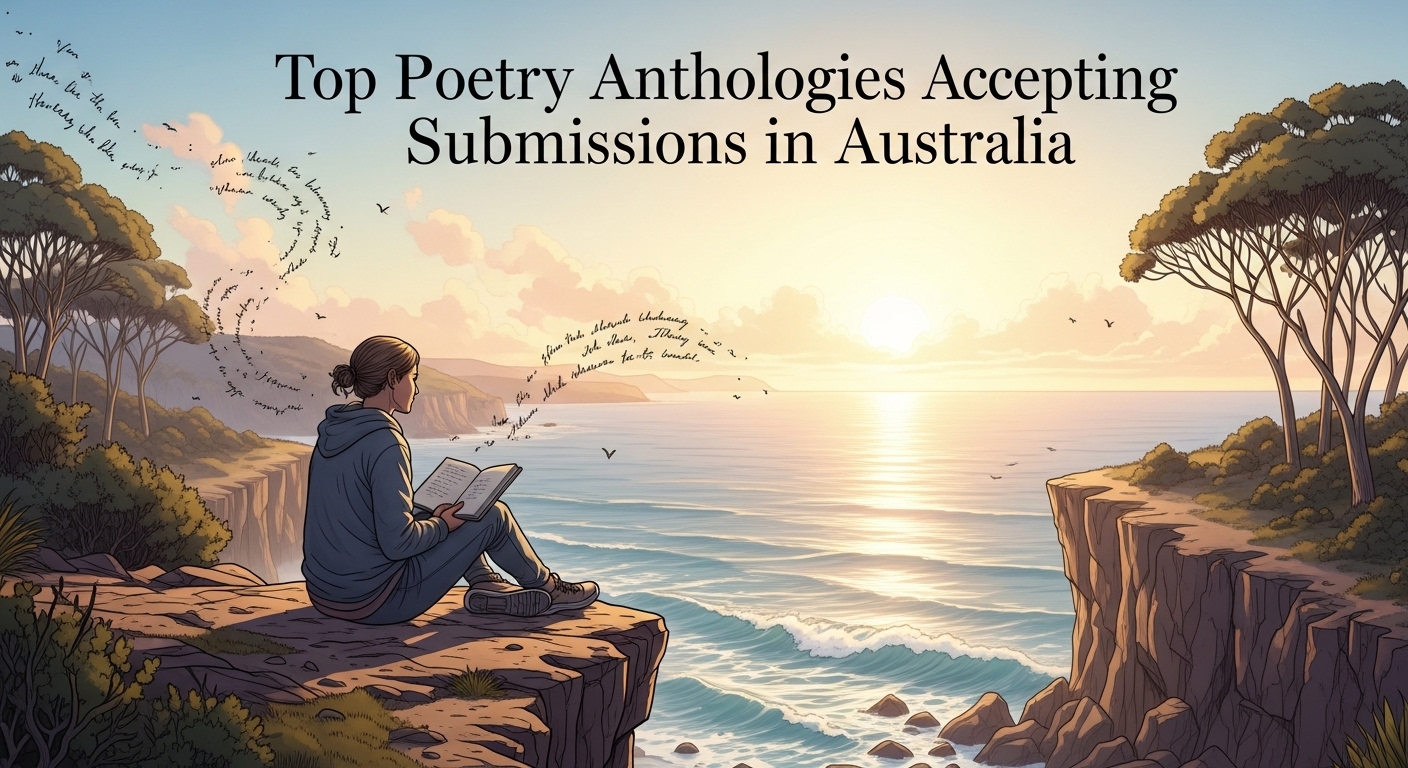
Australia has long been a fertile ground for poetic expression. From its vast landscapes to its multicultural identity, the country offers a unique backdrop that continues to inspire poets across generations. Whether you’re an emerging writer or an experienced voice refining your craft, poetry anthologies provide an important gateway into the literary world. They not only offer publication opportunities but also connect writers to wider audiences, editors, and communities.
If you’re looking to submit your poetry in Australia, understanding the anthology landscape is essential. This guide explores how to approach anthology submissions, what editors look for, and where writers can begin their journey.
Understanding the Role of Poetry Anthologies
Poetry anthologies are curated collections of poems, often centered around a theme, region, or editorial vision. In Australia, anthologies play a crucial role in highlighting diverse voices, including Indigenous perspectives, migrant experiences, and experimental poetic forms.
Unlike standalone poetry collections, anthologies give writers the opportunity to be published alongside other poets. This creates a shared literary space where different styles and ideas interact. For many writers, especially beginners, anthologies are the first step toward building a publication record.
They also serve as a testing ground. Editors often look for authenticity, clarity of voice, and originality. Submitting to anthologies can help writers understand industry expectations while refining their craft.
Starting Strong with Professional Guidance
Before diving into submissions, many writers benefit from professional guidance. This is where services like Barnett Ghostwriting come into the picture. While traditionally associated with book writing and publishing support, such services can also assist poets in polishing their manuscripts, structuring submissions, and preparing their work for competitive literary platforms.
For poets who are unsure about editing, formatting, or presenting their work, seeking expert input can make a noticeable difference. A well-edited poem doesn’t just read better—it demonstrates professionalism and respect for the editorial process.
In Australia’s competitive poetry space, even small improvements in clarity, rhythm, and presentation can elevate a submission. This is why many writers quietly rely on behind-the-scenes support before sending their work to anthologies.
The Australian Poetry Landscape
Australia’s poetry ecosystem is vibrant and diverse. It includes independent publishers, literary journals, university presses, and community-driven projects. Anthologies are often released through small presses or literary organizations that are deeply invested in nurturing new voices.
Themes commonly explored in Australian anthologies include:
- Identity and belonging
- Environmental and ecological concerns
- Urban and rural contrasts
- Cultural heritage and migration
- Personal and emotional introspection
This thematic richness means there is space for almost every type of poet. Whether your work is experimental or traditional, deeply personal or socially engaged, there’s likely an anthology that aligns with your voice.
What Editors Look for in Submissions
Understanding what editors want can significantly improve your chances of acceptance. While each anthology has its own guidelines, there are some universal expectations that apply across the board.
Authentic Voice
Editors are drawn to originality. They want to read poems that feel genuine rather than imitative. This doesn’t mean your work has to be radically different, but it should carry a sense of personal truth.
Strong Imagery
Poetry thrives on imagery. Australian anthologies, in particular, often favor vivid descriptions that evoke place and emotion. Whether you’re writing about the outback or an urban street, your imagery should be clear and impactful.
Precision and Clarity
Good poetry is often concise. Editors appreciate work that communicates effectively without unnecessary complexity. Every word should serve a purpose.
Emotional Resonance
A poem should leave an impression. Whether it’s subtle or intense, emotional depth is a key factor in selection.
Navigating Submission Opportunities
Finding the right anthology is as important as writing the poem itself. In Australia, submission opportunities are often announced through literary communities, writing groups, and publishing platforms.
Some anthologies are open-themed, while others focus on specific topics such as climate change, identity, or regional experiences. Carefully reading submission guidelines is crucial. Editors often reject strong poems simply because they don’t fit the theme or formatting requirements.
Timing also matters. Many anthologies have strict deadlines, and late submissions are rarely considered. Keeping track of open calls and planning ahead can give you a strategic advantage.
The Role of Independent Publishers and Literary Platforms
After establishing your work with the help of professional editing services, many poets turn to independent publishers and literary platforms across Australia. These organizations are often more accessible than large publishing houses and are deeply committed to promoting poetry.
Small presses and literary collectives frequently release anthologies that welcome emerging voices. They are known for taking creative risks and showcasing unconventional styles. This makes them an excellent starting point for poets who are still developing their voice.
Additionally, some publishers collaborate with writing communities to produce themed anthologies. These projects often emphasize inclusivity and diversity, offering opportunities to writers from different backgrounds.
Building a Submission Strategy
Submitting poetry is not just about writing—it’s about strategy. Instead of sending the same set of poems everywhere, consider tailoring your submissions to each anthology.
A thoughtful approach includes:
- Selecting poems that align with the anthology’s theme
- Revising your work specifically for each submission
- Writing a concise and professional cover letter
- Keeping track of where and when you’ve submitted
Consistency is key. Rejections are part of the process, but each submission is a step forward. Over time, you’ll develop a better understanding of what works and what doesn’t.
The Importance of Editing and Presentation
Even the most powerful poem can be overlooked if it’s poorly presented. Formatting, grammar, and structure all contribute to how your work is received.
This is where editing becomes crucial. Many poets underestimate the importance of revisiting their work multiple times. Reading your poem aloud, seeking feedback, and refining your language can significantly improve its quality.
Professional editing services, including those offered by experienced writing agencies, can provide an additional layer of polish. While not mandatory, they can be particularly helpful for writers who are serious about publication.
Community and Networking in the Poetry World
Australia’s poetry community is supportive and collaborative. Engaging with other writers can open doors to anthology opportunities and provide valuable feedback.
Workshops, poetry readings, and online forums are excellent ways to connect with fellow poets. Many anthology calls are shared within these communities before they reach wider audiences.
Networking also helps you understand the industry better. You’ll learn about different publishers, editorial preferences, and upcoming projects. Over time, these connections can lead to more consistent publication opportunities.
Common Challenges Poets Face
Submitting to anthologies is not without its challenges. Many writers struggle with self-doubt, rejection, and the pressure to meet editorial expectations.
One common issue is over-editing. While refinement is important, excessive editing can strip a poem of its original voice. Finding the right balance is essential.
Another challenge is dealing with rejection. It’s important to remember that rejection is not a reflection of your talent. Often, it simply means your work wasn’t the right fit for a particular anthology.
Persistence is the key to overcoming these challenges. Every successful poet has faced rejection at some point in their journey.
Embracing Growth Through Submissions
Each submission, whether successful or not, contributes to your growth as a writer. The process teaches you how to refine your work, understand editorial standards, and navigate the literary landscape.
Over time, you’ll develop a stronger sense of your own voice. You’ll also become more confident in presenting your work and engaging with the poetry community.
Anthologies are not just about publication—they are about learning, evolving, and finding your place in the literary world.
Looking Ahead: The Future of Poetry Anthologies in Australia
The future of poetry in Australia looks promising. With the rise of digital platforms and independent publishing, there are more opportunities than ever for poets to share their work.
Anthologies are becoming more inclusive, embracing diverse voices and experimental styles. This shift reflects a broader cultural movement toward representation and authenticity.
For writers, this means greater freedom to explore new ideas and push creative boundaries. It also means more opportunities to be heard.
Final Thoughts
Submitting to poetry anthologies in Australia is both a challenge and an opportunity. It requires dedication, patience, and a willingness to learn. From seeking professional guidance through services like Barnett Ghostwriting to engaging with independent publishers and literary communities, there are many pathways to success.
The key is to stay consistent and open to growth. Every poem you write, revise, and submit brings you closer to your goals. The Australian poetry scene is rich with possibilities—what matters most is your willingness to take part in it.
If you approach the process with intention and persistence, you’ll not only increase your chances of publication but also deepen your connection to the art of poetry itself.