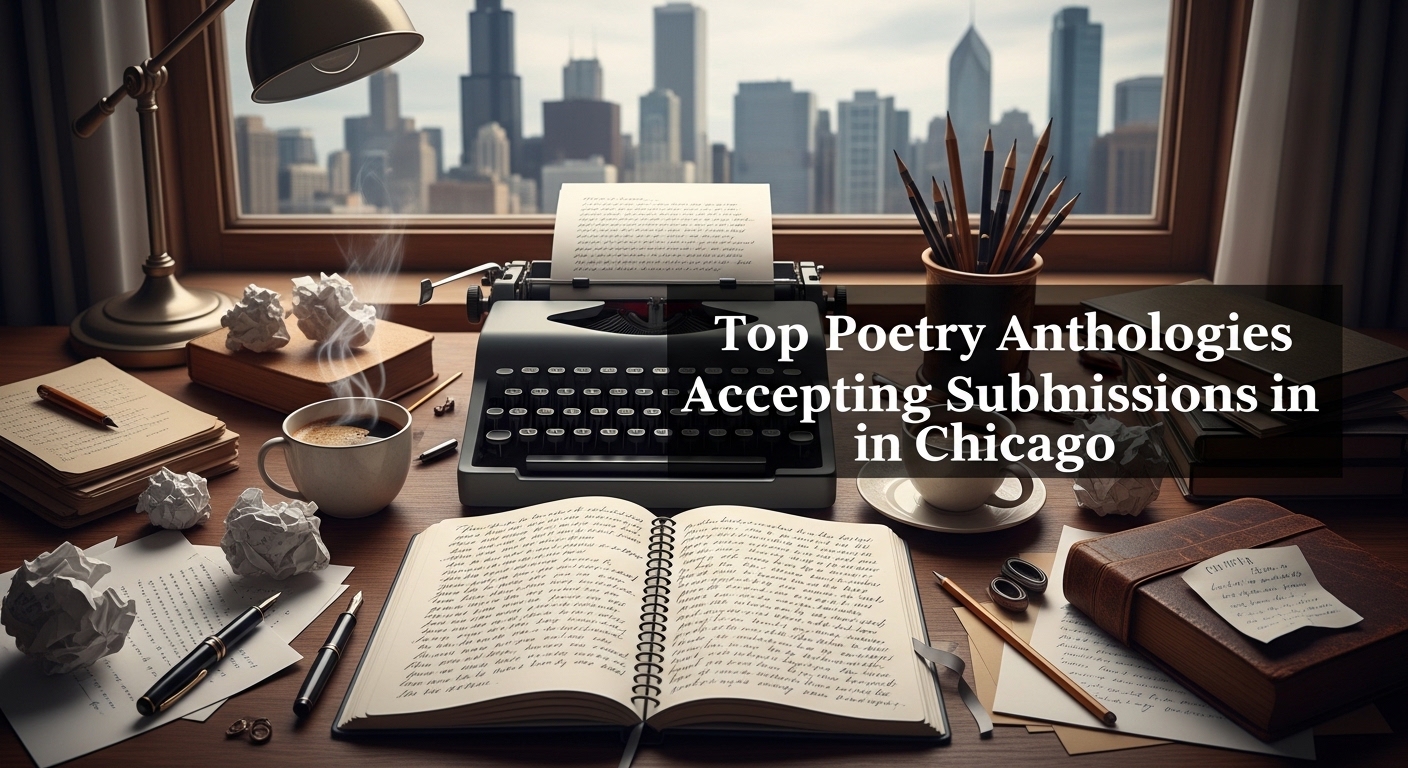
Chicago has long been a city where literature breathes through its streets—raw, honest, and unapologetically expressive. From open mic nights in small cafés to prestigious literary journals, the city offers poets a thriving ecosystem to share their work. For emerging and established poets alike, poetry anthologies serve as an important gateway into the world of publishing, offering visibility, credibility, and a chance to connect with wider audiences.
If you are a poet looking to get your work recognized, understanding which anthologies are accepting submissions in Chicago—and how to approach them—can make all the difference. This guide explores the landscape of poetry anthologies in Chicago, how they function, and what you need to know about submission, editing, and design to improve your chances of acceptance.
Why Poetry Anthologies Matter for Writers
Poetry anthologies are more than just collections of poems—they are curated experiences. Editors select pieces that resonate with a central theme, voice, or cultural perspective. Being featured in such a collection can significantly boost a poet’s profile.
For many writers, anthologies act as a stepping stone into professional publishing. They provide exposure without requiring a full-length manuscript, which can be especially valuable for poets still refining their craft. Additionally, anthologies often undergo rigorous editing, ensuring that your work is presented in its best possible form.
From a creative standpoint, anthologies also push writers to think critically about their work. Submitting to a themed collection requires alignment not just in subject but in tone and emotional depth.
The Poetry Scene in Chicago
Chicago’s literary culture is deeply rooted in diversity. The city has historically been a hub for experimental voices, spoken word artists, and traditional poets alike. This diversity is reflected in the types of anthologies that accept submissions—from academic collections to grassroots community projects.
Many Chicago-based anthologies are associated with small presses, universities, or independent literary organizations. These platforms often emphasize authenticity, originality, and cultural relevance over rigid stylistic rules.
For poets, this means there is no single “correct” way to write. Instead, success depends on how well your work connects with the anthology’s vision.
Key Poetry Anthologies Accepting Submissions in Chicago
Chicago offers a wide range of opportunities for poets. While some anthologies operate on fixed submission cycles, others accept rolling submissions throughout the year.
RHINO Poetry
One of the most recognized literary platforms in Chicago, RHINO Poetry is known for its annual anthology that showcases contemporary voices. The editors prioritize work that is emotionally resonant and stylistically distinct.
Their submission process is highly competitive, and strong editing plays a crucial role. Poems that are polished, precise, and thoughtfully structured stand a better chance of being selected.
Columbia Poetry Review
Produced by students at Columbia College Chicago, this anthology is a respected platform for emerging poets. It blends academic rigor with creative exploration, making it ideal for writers experimenting with form and language.
The editorial team places a strong emphasis on clarity and originality. Submissions that demonstrate careful attention to design—in terms of line breaks, spacing, and visual flow—often stand out.
After Hours Press
After Hours focuses on poetry that reflects urban life, making it a perfect fit for Chicago-based voices. Their anthologies often capture the rhythm and complexity of city living.
What makes this platform unique is its commitment to narrative-driven poetry. Poets who can weave compelling stories while maintaining lyrical quality are particularly favored.
Chicago Quarterly Review (Poetry Sections)
While primarily known as a literary journal, Chicago Quarterly Review frequently publishes anthology-style collections of poetry. Their selections tend to be diverse, featuring both local and international writers.
The review process is meticulous, and submissions are evaluated for both content and technical excellence. Strong publishing standards mean that accepted poems are often edited extensively before final inclusion.
Hair Trigger (Chicago-Based Literary Publication)
Hair Trigger embraces experimental poetry and innovative forms. This anthology-style publication is ideal for poets pushing boundaries and challenging conventional structures.
Writers submitting here should pay special attention to presentation. The visual design of a poem—how it appears on the page—can be just as important as the words themselves.
Another Chicago Magazine
This long-running publication often curates themed issues that function like anthologies. It is known for its eclectic mix of voices and styles.
Submissions that align closely with the theme and demonstrate a clear understanding of tone tend to perform well. The editorial team values thoughtful editing, so refined and carefully revised work is essential.
What Editors Look for in Poetry Submissions
Understanding editorial expectations is crucial when submitting to any anthology. While each publication has its own criteria, several common factors influence acceptance.
First and foremost is originality. Editors want to see a unique voice—something that feels authentic rather than imitative. This doesn’t mean reinventing poetry, but rather presenting familiar ideas in fresh ways.
Equally important is technical precision. Poems should be free from grammatical errors and awkward phrasing. This is where strong editing becomes essential. Many successful poets revise their work multiple times before submission.
Another key factor is cohesion. Even if you are submitting individual poems, they should feel connected—either thematically or stylistically. This helps editors envision how your work fits into the larger anthology.
Finally, presentation matters. The design of your poem—line breaks, spacing, and formatting—can influence how it is perceived. A well-presented poem is easier to read and more likely to make a positive impression.
Submission Process: What to Expect
Most Chicago-based anthologies follow a structured submission process. While details vary, the general steps remain consistent.
Writers typically submit their work through an online platform. This includes uploading poems, providing a brief bio, and sometimes paying a small submission fee.
After submission, the editorial team reviews entries. This process can take several weeks or even months, depending on the volume of submissions.
If your work is accepted, it may go through additional editing before publication. Editors might suggest changes to improve clarity, rhythm, or impact. Being open to feedback is crucial during this stage.
Table: Overview of Chicago Poetry Anthologies
| Anthology Name | Focus Area | Submission Type | Editorial Style | Best For |
| RHINO Poetry | Contemporary poetry | Annual | Highly selective | Polished, refined poets |
| Columbia Poetry Review | Experimental & academic | Periodic | Structured & creative | Emerging writers |
| After Hours Press | Urban storytelling | Rolling/Seasonal | Narrative-focused | City-inspired poetry |
| Chicago Quarterly Review | Diverse literary works | Ongoing | Professional & detailed | Experienced poets |
| Hair Trigger | Experimental forms | Periodic | Innovative & visual | Avant-garde poets |
| Another Chicago Magazine | Themed collections | Issue-based | Thematic & curated | Versatile writers |
Tips to Improve Your Chances of Acceptance
While poetry is inherently subjective, there are practical steps you can take to increase your chances of being selected.
Start by researching each anthology thoroughly. Understanding its tone, themes, and past publications will help you tailor your submission.
Next, invest time in editing. This cannot be overstated. Even a powerful poem can be overlooked if it contains avoidable errors or lacks clarity.
Pay attention to formatting. Good design enhances readability and ensures that your poem is presented professionally. Simple adjustments in spacing and alignment can make a significant difference.
Finally, be persistent. Rejection is a natural part of the publishing process. Many successful poets faced numerous rejections before finding the right platform for their work.
The Role of Editing and Design in Poetry Publishing
In the world of poetry anthologies, editing and design are often underestimated. Yet, they play a crucial role in how a poem is received.
Editing goes beyond correcting grammar. It involves refining language, improving flow, and ensuring that every word serves a purpose. A well-edited poem feels intentional and cohesive.
Design, on the other hand, shapes the visual experience. Poetry is as much about how it looks as how it sounds. Strategic line breaks, spacing, and formatting can enhance meaning and emotional impact.
Together, editing and design elevate a poem from good to exceptional, increasing its chances of being selected for publication.
Final Thoughts
Chicago remains one of the most vibrant cities for poetry in the United States. Its anthologies reflect a wide spectrum of voices, offering opportunities for poets at every stage of their journey.
Whether you are submitting to a prestigious publication or a small independent press, the key lies in preparation. Focus on strong editing, thoughtful design, and a clear understanding of the anthology’s vision.
In the ever-evolving world of publishing, poetry anthologies continue to provide a meaningful platform for expression. With persistence and dedication, your work can find its place among the voices shaping Chicago’s literary landscape.