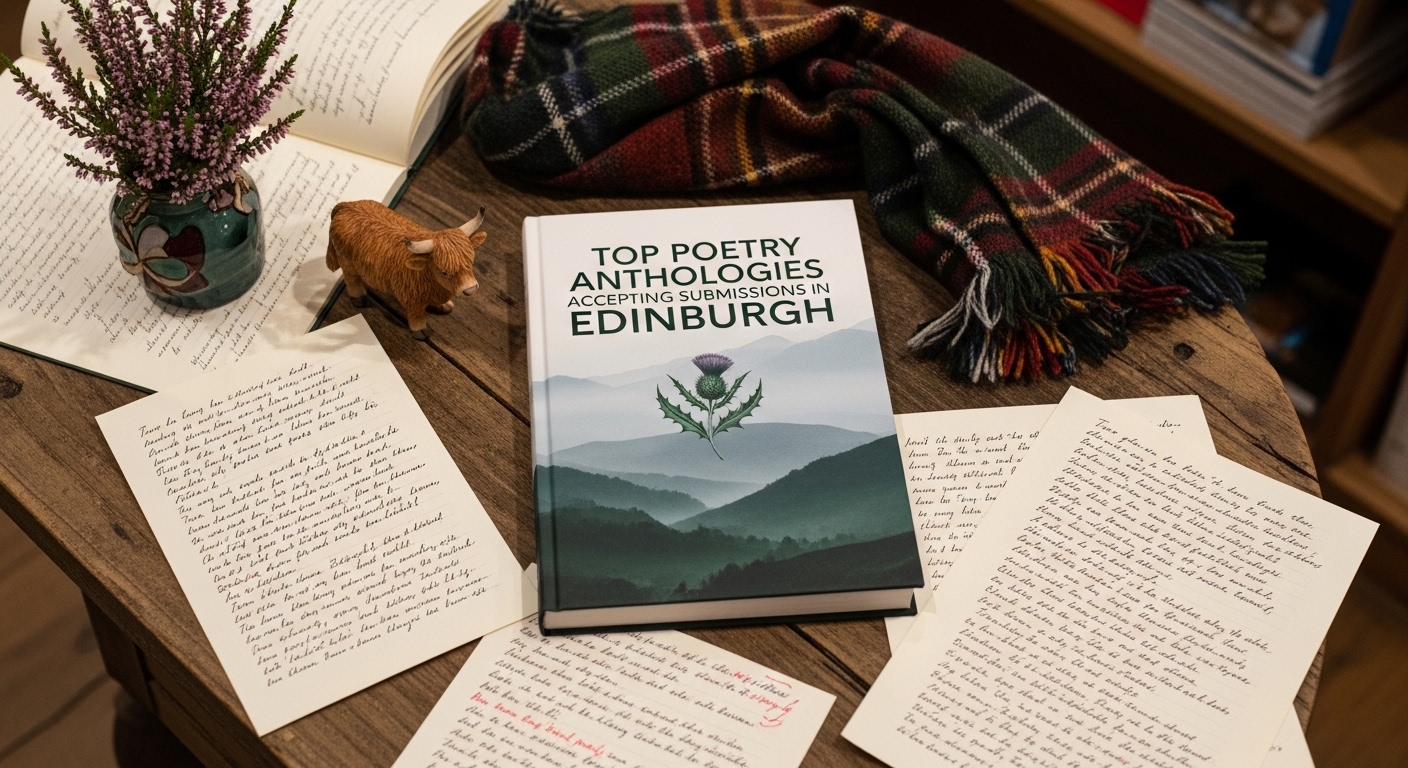
Edinburgh has long held a reputation as one of the world’s most literary cities — a place where poetry lives not only in books but in streets, cafés, festivals, and conversations. Known for its deep artistic heritage and thriving contemporary writing scene, the city provides poets with an exceptional environment to share their voices. For emerging and established writers alike, poetry anthologies remain one of the most accessible and respected pathways into the literary world.
Submitting to an anthology offers more than publication; it introduces poets to collaborative storytelling, professional editing processes, thoughtful publishing design, and wider literary communities. Edinburgh’s anthology culture, shaped by independent presses, university initiatives, and literary collectives, continues to open doors for new talent every year.
This guide explores the top poetry anthologies accepting submissions in Edinburgh, how they work, and why they remain essential stepping stones for poets looking to grow their craft and readership.
Edinburgh’s Literary Legacy and Its Influence on Poetry
Edinburgh’s designation as a UNESCO City of Literature reflects centuries of storytelling tradition. While the city is often associated with novelists and philosophers, poetry has always been central to its cultural identity. From historic Scottish verse traditions to modern spoken-word movements, Edinburgh nurtures poetic experimentation.
Today, poetry anthologies play a vital role in sustaining this legacy. Independent publishers and literary organizations curate collections that capture contemporary voices, social themes, and regional perspectives. These anthologies often prioritize inclusivity, encouraging submissions from writers across backgrounds, styles, and experience levels.
Unlike standalone poetry collections, anthologies allow poets to enter the publishing world collaboratively. The shared format reduces barriers while maintaining professional standards through structured editing and thoughtful publishing workflows.
Why Poetry Anthologies Matter for Emerging Poets
For many writers, anthology publication becomes the first major milestone in their literary journey. The experience goes beyond seeing one’s name in print.
Anthologies introduce poets to professional editing practices that refine voice and clarity. Editors often work closely with contributors, offering feedback that strengthens both individual poems and overall cohesion within the collection. This collaborative process teaches writers how literary publishing truly operates behind the scenes.
Additionally, anthology participation exposes poets to publishing design considerations. Layout, typography, and thematic presentation shape how poetry is experienced by readers. Understanding these elements helps writers appreciate how visual presentation enhances literary meaning.
Anthologies also build credibility. Being selected through submission calls demonstrates editorial recognition, which can later support book proposals, grant applications, or festival invitations.
Key Poetry Anthologies Accepting Submissions in Edinburgh
Below are some of the most recognized and active anthology opportunities connected to Edinburgh’s literary ecosystem. Each offers distinct editorial visions and submission themes.
1. Edinburgh City of Literature Anthology Projects
The Edinburgh City of Literature initiative frequently collaborates with publishers and community organizations to produce themed anthologies highlighting local and international voices. These projects often focus on cultural identity, storytelling traditions, or contemporary social themes.
Submissions typically open annually or in response to specific events. Poets benefit from professional editorial oversight and wide visibility through literary programs associated with the city’s cultural calendar.
The editing process here tends to be mentorship-driven, making it especially valuable for emerging writers entering publishing for the first time.
2. Shoreline of Infinity Poetry Anthologies
Known primarily for speculative literature, Shoreline of Infinity also welcomes poetry that explores science fiction, fantasy, and imaginative themes. Their anthologies attract writers interested in blending poetic language with speculative storytelling.
This platform demonstrates how poetry publishing continues to evolve beyond traditional lyrical forms. Contributors often collaborate closely with editors to align tone and thematic continuity across the anthology.
The publishing design of these collections frequently incorporates visual storytelling elements, making them appealing to readers who appreciate genre experimentation.
3. Lighthouse Literary Journal Anthology Editions
Associated with Lighthouse Bookshop’s literary community, these anthology editions highlight contemporary poetry rooted in social awareness, activism, and modern urban experiences.
Submissions emphasize authenticity and emotional resonance rather than rigid stylistic expectations. Selected poets often participate in readings and community events, strengthening connections between writers and audiences.
The editorial team places strong emphasis on inclusive editing practices, ensuring diverse voices remain central to the publishing process.
4. Scottish Poetry Library Collaborative Anthologies
The Scottish Poetry Library regularly partners with poets, educators, and cultural organizations to produce collaborative collections. These anthologies often emerge from workshops, competitions, or themed calls exploring heritage, environment, or language.
Participation offers writers exposure to professional publishing standards while connecting them with Scotland’s wider poetry network. Editorial feedback tends to focus on poetic structure, rhythm, and audience engagement.
Because of the institution’s reputation, inclusion in these anthologies carries strong literary credibility.
5. Edinburgh University Student and Alumni Anthologies
University-based anthologies provide significant opportunities for both students and independent poets connected to academic literary communities. These publications often showcase experimental work and emerging voices.
Editorial boards composed of writers and scholars create a rigorous yet supportive editing environment. Contributors gain firsthand experience with academic publishing design, peer review, and collaborative revision.
Many poets who later publish full collections begin their journeys through university-led anthology projects.
Comparison of Major Edinburgh Poetry Anthologies
| Anthology Platform | Focus Area | Submission Frequency | Ideal For | Editorial Style |
| Edinburgh City of Literature Projects | Cultural & thematic poetry | Seasonal | Emerging poets | Mentorship-based editing |
| Shoreline of Infinity | Speculative poetry | Periodic calls | Genre poets | Collaborative editing |
| Lighthouse Anthologies | Social & contemporary themes | Annual | Community-focused writers | Inclusive editorial approach |
| Scottish Poetry Library Collections | Heritage & literary craft | Project-based | Serious literary poets | Craft-focused editing |
| University Anthologies | Experimental & emerging voices | Academic cycles | New poets | Peer-reviewed editing |
Understanding the Submission Process
Submitting poetry to anthologies in Edinburgh generally follows a structured process, though each publisher maintains unique guidelines. Writers are usually asked to submit a small selection of poems aligned with a theme or editorial vision.
Editors evaluate submissions based on originality, emotional impact, and how well individual poems contribute to the anthology’s collective narrative. Technical perfection matters, but authenticity often carries equal weight.
Before submission, poets should carefully review their work through multiple editing stages. Self-editing ensures clarity, while external feedback can highlight pacing or tonal inconsistencies. Even minor adjustments can significantly influence acceptance outcomes.
Many anthologies also request short biographies or artist statements. These contextual elements help editors understand the poet’s perspective and how their voice fits within the broader collection.
The Role of Editing in Anthology Success
Editing is one of the most transformative aspects of anthology participation. Unlike solitary writing, anthology editing encourages dialogue between poet and editor.
Editors may suggest structural changes, line revisions, or adjustments in imagery to strengthen thematic unity. Rather than diminishing creative ownership, this process enhances the poem’s impact while preserving the writer’s voice.
Learning to accept editorial feedback prepares poets for future publishing experiences, including book-length manuscripts. Writers who embrace editing as collaboration rather than correction often experience significant artistic growth.
Publishing Design and Its Impact on Poetry Presentation
Poetry is uniquely sensitive to visual presentation. Line breaks, spacing, typography, and page composition directly influence how readers interpret rhythm and emotion.
Edinburgh’s independent presses place considerable emphasis on publishing design, recognizing that aesthetic presentation shapes reader engagement. Anthologies frequently experiment with minimalist layouts, illustrated pages, or thematic visual motifs.
For poets, understanding design principles helps them consider how form and meaning interact. A well-designed anthology transforms poems into immersive reading experiences rather than isolated texts.
Building Community Through Anthology Participation
One of the most overlooked benefits of anthology publication is community formation. Contributors often connect through launch events, workshops, and readings, forming networks that extend beyond a single book.
Edinburgh’s literary culture thrives on collaboration. Anthologies act as meeting points where poets encounter editors, publishers, and fellow writers. These relationships frequently lead to future collaborations, festival appearances, or independent publishing opportunities.
For writers who work primarily alone, anthology participation provides validation and creative momentum.
Tips for Increasing Acceptance Chances
While every anthology differs, successful submissions often share certain qualities. Strong poems demonstrate clarity of voice and emotional authenticity. Editors look for work that feels intentional rather than experimental without purpose.
Writers should carefully match submissions to anthology themes. Tailoring selections shows respect for editorial vision and increases relevance during evaluation.
Equally important is professional presentation. Clean formatting, careful editing, and adherence to guidelines signal readiness for publishing. Small details reflect seriousness and professionalism.
The Future of Poetry Anthologies in Edinburgh
The anthology landscape continues to evolve alongside digital publishing and hybrid literary formats. Many Edinburgh-based projects now combine print collections with online readings, audio performances, and multimedia storytelling.
This shift expands accessibility while preserving traditional literary craftsmanship. Editing workflows increasingly blend digital collaboration tools with classic editorial practices, allowing poets worldwide to participate in Edinburgh’s literary scene.
As publishing design becomes more innovative, anthologies are transforming into artistic objects as much as literary collections. This evolution ensures poetry remains relevant to modern audiences while honoring historical traditions.
Why Edinburgh Remains a Gateway for Poets
Edinburgh’s strength lies in its balance between heritage and innovation. The city respects literary tradition while continuously welcoming new voices and experimental forms.
Poetry anthologies reflect this balance perfectly. They provide structured entry points into publishing without limiting creative freedom. Through editing collaboration, thoughtful publishing design, and supportive literary networks, poets gain both exposure and artistic development.
For writers seeking meaningful publication opportunities, Edinburgh offers not just platforms but an ecosystem — one that values poetry as a living, evolving art form.
Conclusion
Submitting to poetry anthologies in Edinburgh is more than a publishing opportunity; it is an invitation into a vibrant literary culture shaped by collaboration, creativity, and craftsmanship. From community-driven collections to institution-backed publications, the city offers diverse pathways for poets at every stage of their journey.
Anthologies introduce writers to professional editing, thoughtful publishing processes, and the importance of design in presenting poetry effectively. They build confidence, expand audiences, and connect poets with lasting creative communities.
As Edinburgh continues to nurture literary innovation, poetry anthologies remain one of the most powerful gateways for emerging voices — proving that even in a rapidly changing publishing world, shared storytelling still holds timeless value.
Disclaimer: The information regarding these anthologies is a general resource. Readers must independently verify all current submission requirements, including genres and deadlines, on the official press websites. We do not guarantee the accuracy of all details or the successful outcome of any submission.