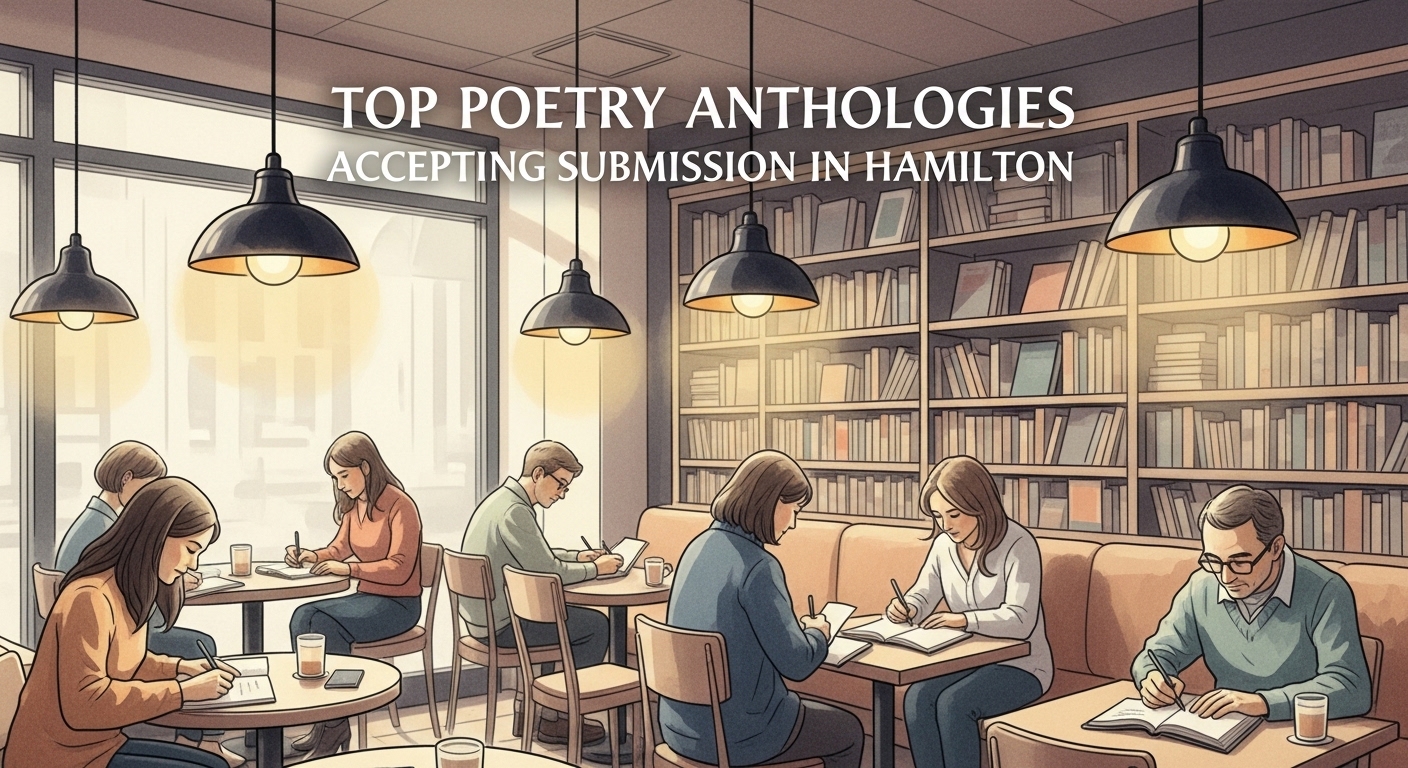
Hamilton, Ontario has steadily evolved into one of Canada’s most vibrant literary hubs. Known for its industrial history and artistic revival, the city has become a fertile ground for poets seeking platforms that celebrate authentic voices, diverse perspectives, and experimental expression. Over the past decade, Hamilton’s poetry community has grown through independent presses, literary collectives, and carefully curated anthologies that offer emerging and established writers meaningful opportunities for publishing.
For poets, submitting to anthologies is often one of the most practical and rewarding steps toward professional recognition. Unlike full-length collections, anthologies allow writers to share individual works, build publication credits, and connect with editors, designers, and literary audiences. In Hamilton, many anthology projects emphasize community storytelling, inclusive themes, and strong editorial collaboration, making them ideal spaces for poets refining their craft through thoughtful editing and professional publishing processes.
This guide explores the top poetry anthologies accepting submissions in Hamilton, explaining what makes each unique and how writers can prepare strong submissions that stand out.
Hamilton’s Growing Poetry Scene
Hamilton’s literary culture thrives on collaboration. Open mics, small presses, university programs, and grassroots organizations work together to create opportunities for poets at different stages of their careers. The city’s transformation into an arts-focused destination has encouraged publishers to invest in anthology projects that reflect local identity while welcoming national and international voices.
Anthologies in Hamilton often focus on themes such as urban transformation, migration, identity, environmental awareness, and personal storytelling. Editors typically look for originality, emotional clarity, and poems that demonstrate intentional structure and thoughtful design on the page.
For many writers, these collections serve as an entry point into professional publishing, offering exposure alongside experienced poets and introducing contributors to the realities of editorial feedback and collaborative production.
Why Poetry Anthologies Matter for Writers
Submitting to anthologies provides advantages that extend beyond publication itself. Anthologies function as creative ecosystems where poets learn how editing strengthens language, how publishing timelines operate, and how design choices shape reader experience.
Unlike independent book publishing, anthology participation often involves close editorial guidance. Editors may suggest revisions that refine imagery, pacing, or thematic consistency. This process helps writers understand how professional editing enhances poetic clarity without compromising voice.
Anthologies also introduce poets to book design considerations. Layout decisions — line spacing, typography, and visual flow — influence how readers interpret poetry. Seeing one’s work thoughtfully designed within a curated collection teaches writers how presentation contributes to literary impact.
Leading Poetry Anthologies Accepting Submissions in Hamilton
Tower Poetry Society Anthologies
The Tower Poetry Society has long supported Hamilton’s literary community through collaborative publications. Their anthologies frequently showcase local poets while remaining open to broader submissions aligned with specific themes.
These collections often emphasize accessibility and storytelling, making them welcoming for poets submitting for the first time. Editors focus heavily on constructive editing, guiding contributors through revisions that strengthen emotional resonance and technical precision.
Participation also provides insight into grassroots publishing, where community engagement matters as much as literary achievement.
James Street North Literary Anthology Projects
Inspired by Hamilton’s well-known arts district, several anthology projects emerge from the James Street North creative community. These collections often blend poetry with visual art, creating interdisciplinary books that highlight both literary and visual design.
Poets submitting here benefit from exposure to collaborative publishing environments where designers and editors work closely together. The final books frequently emphasize aesthetic presentation, demonstrating how thoughtful design elevates poetic storytelling.
Themes tend to explore urban life, artistic identity, and cultural transformation — subjects deeply connected to Hamilton’s evolving character.
Hamilton Arts & Letters Collective Anthology
This collective focuses on inclusive storytelling and diverse voices. Their poetry anthologies welcome writers from different cultural backgrounds and encourage experimental forms alongside traditional poetry.
Editorial teams prioritize mentorship, offering feedback that helps contributors understand professional editing practices. For emerging poets, this experience mirrors the developmental editing stage common in larger publishing houses.
These anthologies often gain attention within regional literary festivals, providing contributors additional visibility beyond publication.
Steel City Poetry Anthology Series
Named after Hamilton’s industrial heritage, the Steel City anthology series explores themes of resilience, labor, and transformation. These collections appeal to poets interested in social commentary and grounded storytelling.
Editors seek poems with strong imagery and emotional authenticity. The publishing process here tends to be highly structured, giving contributors firsthand experience with submission guidelines, editing rounds, and production schedules.
Writers frequently note that participating improves their understanding of professional publishing expectations.
Hamilton Public Library Literary Anthologies
Community-driven anthology initiatives supported by local library programs offer accessible entry points for poets. These projects often invite submissions during workshops or literary events, encouraging participation from new voices.
Library anthologies emphasize storytelling that reflects community experiences. Editorial teams balance encouragement with practical editing feedback, helping poets refine language while maintaining individuality.
Because these projects prioritize outreach, they are especially valuable for writers building confidence before submitting to national publications.
University-Affiliated Poetry Collections
Hamilton’s academic institutions regularly produce literary anthologies showcasing emerging writers. While some focus on students and alumni, others accept open submissions tied to annual themes or literary contests.
These collections typically maintain rigorous editing standards. Contributors benefit from exposure to academic publishing practices, including peer review, structured revision processes, and professional book design considerations.
Such anthologies can become strong credentials when pursuing future publishing opportunities.
Comparison of Hamilton Poetry Anthologies
| Anthology Type | Best For | Editorial Style | Publishing Experience | Design Focus |
| Community Society Anthologies | New poets | Supportive and collaborative | Introductory publishing | Moderate |
| Arts District Projects | Experimental writers | Creative and flexible | Collaborative publishing | High |
| Literary Collectives | Diverse voices | Mentorship-driven editing | Professional exposure | Balanced |
| Themed Series (Steel City) | Narrative poets | Structured editing | Industry-style process | Moderate |
| Library Anthologies | Beginners | Encouraging guidance | Community publishing | Simple |
| University Collections | Emerging professionals | Academic editing | Formal publishing | High |
What Editors Look for in Poetry Submissions
Understanding editorial expectations significantly improves acceptance chances. Hamilton anthology editors often prioritize authenticity over complexity. Poems that communicate genuine emotion or insight tend to resonate more strongly than overly abstract work.
Editors evaluate several factors during selection:
Clarity of voice remains essential. Even experimental poetry benefits from emotional grounding that allows readers to connect with the work.
Craft awareness also matters. Line breaks, rhythm, and imagery should appear intentional rather than accidental. Strong editing before submission helps eliminate distractions such as unnecessary repetition or unclear phrasing.
Relevance to anthology themes is equally important. Many submissions fail simply because poets overlook thematic guidelines. Reading calls carefully demonstrates professionalism and respect for the publishing process.
Preparing Your Poetry for Submission
Before submitting, poets should approach their work as editors would. Self-editing is often the most crucial stage of preparation.
Reading poems aloud helps identify rhythm issues and awkward phrasing. Many successful poets revise extensively, focusing on precision rather than volume. Removing excess words strengthens emotional impact and improves readability.
Formatting also plays a role. Clean presentation signals professionalism and makes it easier for editors to evaluate content. Thoughtful formatting anticipates eventual book design, ensuring line breaks translate effectively into print layouts.
Writers should also prepare concise author bios that reflect their voice and experience without exaggeration. Anthologies often include contributor sections that become part of the book’s overall design identity.
The Role of Editing in Anthology Success
Editing within anthology publishing differs from editing a solo collection. Editors must balance individual voices while maintaining cohesion across the entire book.
This collaborative editing process teaches poets flexibility. Suggestions may involve minor word changes, structural adjustments, or thematic alignment. Learning to accept editorial feedback constructively strengthens long-term writing skills.
Many poets discover that professional editing enhances rather than diminishes their artistic voice. The goal is clarity and resonance — ensuring each poem contributes meaningfully to the anthology’s overall narrative.
Publishing and Design: Behind the Scenes
Anthology publishing involves multiple stages that writers rarely see until they participate directly. After editing, manuscripts move into layout and design phases where typography, spacing, and visual hierarchy are carefully planned.
Design decisions influence pacing and reader engagement. Poems with strong visual structure often translate more effectively into printed formats. Hamilton anthology publishers increasingly invest in thoughtful design, recognizing that presentation shapes how poetry is experienced.
Cover design also plays a marketing role, reflecting both theme and tone. Contributors gain valuable insight into how publishing combines artistic and technical expertise.
Building a Literary Presence Through Anthologies
Repeated anthology participation helps poets build credibility. Publication credits demonstrate consistency and commitment, which editors and publishers consider when reviewing future submissions.
Anthologies also foster networking opportunities. Contributors often connect through readings, launches, and literary festivals, forming relationships that lead to collaborations or independent publishing projects.
For writers developing long-term careers, these connections can be as valuable as publication itself.
Common Mistakes Poets Should Avoid
Many promising submissions fail due to preventable issues rather than lack of talent. Sending unfinished drafts remains one of the most common errors. Poems benefit from distance; revisiting work after time allows clearer editing decisions.
Ignoring submission guidelines also signals inexperience. Editors receive large volumes of work and often reject entries that fail to follow formatting or theme requirements.
Another mistake involves overdesigning submissions. While book design matters during publishing, initial submissions should remain simple and readable unless otherwise requested.
The Future of Poetry Anthologies in Hamilton
Hamilton’s poetry landscape continues expanding as independent publishers and creative collectives grow more ambitious. Digital publishing tools have made anthology production more accessible, allowing editors to experiment with hybrid formats combining print and online releases.
At the same time, readers increasingly seek authentic, localized storytelling. Hamilton anthologies respond by amplifying voices connected to community experiences while welcoming global perspectives.
This balance between local identity and universal themes ensures ongoing opportunities for poets seeking publication.
Final Thoughts
Submitting to poetry anthologies in Hamilton offers far more than a publication credit. It introduces poets to the collaborative world of editing, the technical realities of publishing, and the creative possibilities of thoughtful book design. Each anthology represents a shared artistic effort where individual voices contribute to a collective narrative.
For emerging writers, these opportunities provide practical experience and confidence. For established poets, they offer spaces to experiment and engage with new audiences. As Hamilton’s literary culture continues to flourish, anthology submissions remain one of the most accessible and meaningful paths into the professional poetry world — a place where craft, community, and creativity meet on the printed page.
Disclaimer: The information regarding these anthologies is a general resource. Readers must independently verify all current submission requirements, including genres and deadlines, on the official press websites. We do not guarantee the accuracy of all details or the successful outcome of any submission.