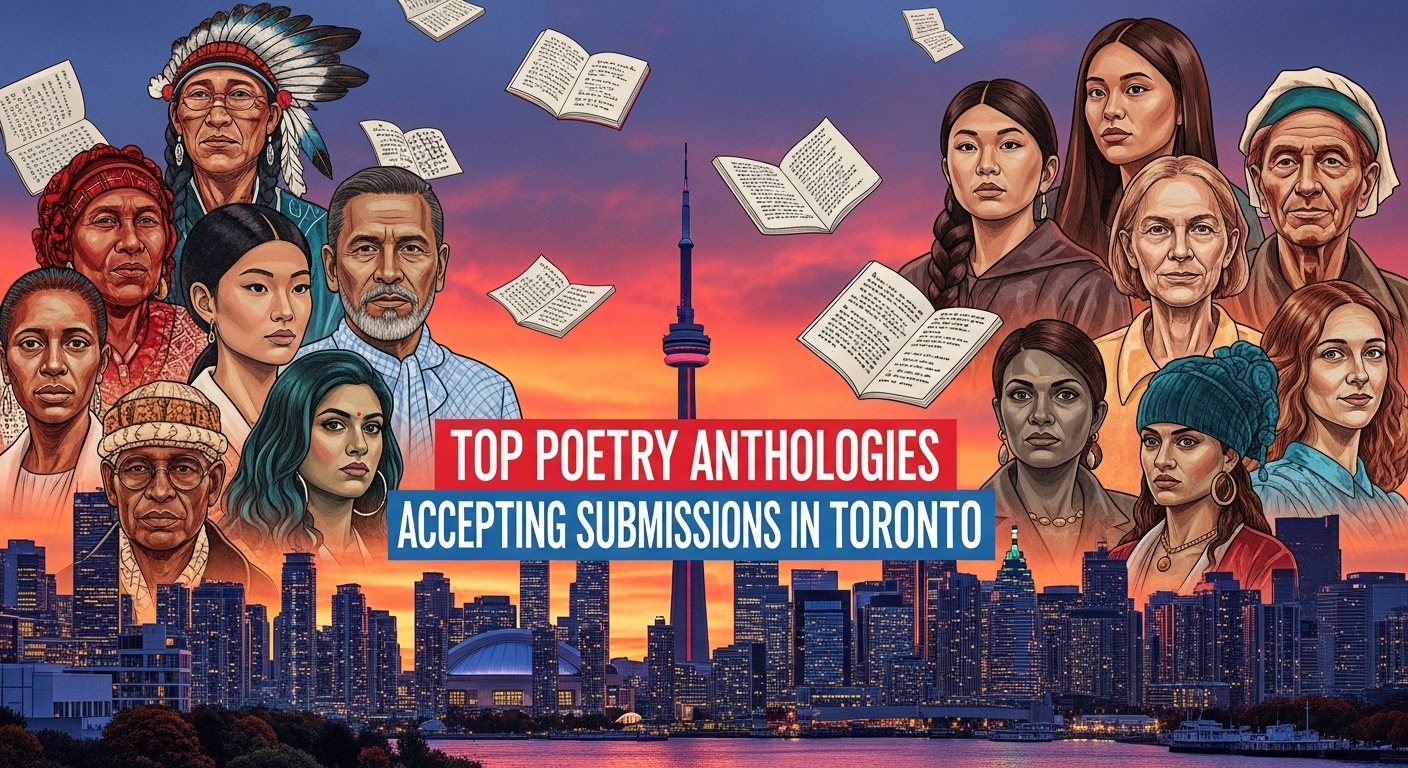
Toronto has long been one of Canada’s most vibrant literary cities. With its multicultural voice, independent publishing culture, and strong community of writers, the city offers exciting opportunities for poets looking to place their work in anthologies. Whether you are an emerging poet sharing your first few pieces or an experienced writer seeking new audiences, poetry anthologies can be an excellent route toward recognition. They allow writers to appear alongside others, gain editorial feedback, and connect with publishers, readers, and literary communities.
For poets in Toronto, anthology submissions can also become an important stepping stone toward broader publishing goals. Many writers first build their portfolio through collaborative collections before moving into chapbooks or full-length collections. Anthologies help demonstrate credibility, especially when curated by respected editors or established presses. They can also open doors to workshops, readings, and future editing opportunities.
Toronto’s poetry landscape is shaped by diversity. Themes such as migration, identity, urban life, memory, environment, and social justice frequently appear in local calls for submissions. Because the city is home to many small presses and literary organizations, opportunities arise throughout the year. Some anthologies focus on regional voices, while others welcome international contributors but maintain strong ties to Toronto’s creative scene.
Why Poetry Anthologies Matter for Writers
Anthologies are more than shared books. They often become snapshots of a moment, a community, or a movement. For readers, they provide access to multiple styles and perspectives in one volume. For poets, they offer visibility.
Being included in an anthology can strengthen your writing resume, especially if the collection is professionally edited and thoughtfully designed. It shows that your work has passed a selection process and resonated with editors. This matters when later approaching journals, contests, agents, or publishers.
Anthologies can also introduce writers to the practical side of publishing. You learn submission guidelines, revision expectations, formatting standards, deadlines, and how editorial collaboration works. These experiences are valuable for anyone serious about a literary career.
Toronto’s Strong Poetry Culture
Toronto’s literary scene thrives because it blends academic institutions, grassroots communities, festivals, spoken word spaces, and independent presses. The city supports both page poetry and performance poetry, which means anthology opportunities come from many directions.
Some projects are tied to community organizations. Others are created by university groups, feminist collectives, multicultural associations, or independent editors. This wide range gives poets a better chance to find calls that match their voice.
Writers in Toronto also benefit from the city’s emphasis on thoughtful editing and book design. Many anthology publishers invest real care into presentation, making the finished book something contributors are proud to share.
Top Poetry Anthologies Accepting Submissions in Toronto
1. Arc Poetry Magazine Special Anthology Projects
Although known primarily as a respected poetry magazine, Arc has periodically supported themed collections and collaborative publishing projects connected to Canadian poetry communities. Writers should watch for open calls tied to special issues or anthology partnerships.
Arc values craft, emotional depth, and strong language. If you submit, polish every line carefully. Their editorial standards are high, which makes acceptance especially meaningful.
2. Exile Editions Anthology Calls
Exile Editions has a long literary history in Canada and has published various collections that include poetry, fiction, and cross-genre voices. Their occasional calls for themed anthologies are worth tracking.
Poets whose work reflects contemporary life, cultural complexity, or bold language may find a good fit here. Exile’s publishing reputation also gives accepted writers strong portfolio value.
3. Tightrope Books Collaborative Collections
Toronto-based Tightrope Books has supported literary innovation and often works with distinctive voices. While not exclusively anthology-driven, they have participated in collaborative projects and curated collections.
Poets with experimental, intelligent, or genre-blending work should pay attention to their announcements. Strong editing and thoughtful design often define books from presses like this.
4. Community and Festival Anthologies
Toronto literary festivals sometimes release commemorative or theme-based anthologies connected to events, readings, or competitions. These collections may focus on civic identity, neighbourhood stories, diversity, or spoken word culture.
Such anthologies can be excellent for newer poets because they often value authentic voice and community connection as much as publication history.
5. University and Student-Led Anthologies
Toronto universities and colleges frequently host literary journals and annual collections. These may accept students only, alumni, or open public submissions depending on the project.
These spaces are ideal for emerging writers because editors are often eager to discover fresh perspectives. They can also provide useful feedback during the editing process.
6. Cultural and Identity-Focused Anthologies
Toronto’s diversity has inspired many anthologies centered on diaspora voices, Indigenous perspectives, Black Canadian writing, queer communities, women’s writing, and multilingual expression.
These collections create room for voices historically underrepresented in mainstream publishing. Writers whose lived experience aligns with a call should consider submitting work that is honest, nuanced, and rooted in specificity.
7. Spoken Word and Performance Poetry Collections
The city has a powerful spoken word tradition. Some anthologies emerge from slam communities, performance venues, or youth arts organizations. These books often favor energy, urgency, and poems that move with rhythm.
Performance-based poems can succeed in print when they also carry strong imagery and structure on the page.
What Editors Usually Look For
Even when themes differ, most anthology editors in Toronto look for similar qualities. They want poems that feel alive, intentional, and memorable. Technical perfection matters less than purposeful craft combined with emotional truth.
Editors notice when a poem begins strongly and avoids unnecessary explanation. They appreciate fresh images instead of clichés. They also value writers who follow guidelines exactly.
If the anthology has a theme, relevance matters. Do not submit generic poems to a highly specific project. Tailor your selection carefully.
Common Submission Requirements
The exact rules vary, but many Toronto anthology calls ask for a small group of poems, a short bio, and contact details. Some may request previously unpublished work, while others accept poems first published elsewhere with disclosure.
Here is a general overview:
| Submission Element | What Editors Often Expect |
| Number of Poems | 3 to 5 poems |
| Length | Usually under 40 lines each, unless stated otherwise |
| Bio | 50 to 100 words |
| Format | Word document or PDF |
| Theme | Must match call if specified |
| Simultaneous Submissions | Sometimes allowed if disclosed |
| Payment | Contributor copy, honorarium, or exposure depending on project |
Always read each call carefully. Good writing can still be rejected if guidelines are ignored.
How to Improve Your Chances of Acceptance
Start by selecting poems that belong together in tone or quality. If you send five poems, they should feel like your best current work, not five random drafts.
Revise deeply before submitting. Read each poem aloud. Remove lines that explain too much. Sharpen verbs. Replace vague images with precise ones. Poetry often improves through subtraction.
Research the publisher or editor. If they have released earlier anthologies, study what kinds of voices they include. This does not mean copying style. It means understanding audience and editorial taste.
Presentation matters too. Clean formatting, accurate spelling, and a concise professional cover note signal seriousness.
The Role of Editing in Anthology Success
Many poets underestimate editing. First drafts may contain the emotional spark, but revision gives that spark shape. Anthology editors often receive many submissions with good ideas but unfinished execution.
Before sending work, ask trusted readers for feedback. Listen especially when several readers mention the same confusion or weak point. Tightening line breaks, clarifying imagery, and improving pacing can transform a poem.
Some writers also benefit from professional editing workshops or manuscript consultations. While not necessary, guided revision can help poets see patterns in their craft.
Why Book Design Matters Too
A strong anthology is not only about good poems. Design influences how readers experience the collection. Cover art, typography, spacing, and interior layout shape tone and readability.
Toronto’s independent publishing scene often respects design as part of literary art. Being included in a well-designed anthology increases pride for contributors and appeal for readers.
For poets interested in future self-publishing, watching how professional anthologies handle design can be educational.
Building a Long-Term Publishing Path
Anthologies should be viewed as one part of a larger writing journey. A single acceptance may lead to invitations for readings, collaborations, journal submissions, or manuscript opportunities.
Keep records of where you submit. Track deadlines. Celebrate small wins, but continue writing new work. Consistency matters more than one placement.
Writers who stay active in Toronto’s literary scene by attending launches, workshops, and readings often discover new submission opportunities early.
Final Thoughts
Toronto remains one of the best cities in Canada for poets seeking anthology opportunities. Its literary culture values experimentation, diversity, and genuine voice. From established presses to community-led projects, the city offers many ways for writers to be seen and heard.
Success in anthology submissions usually comes from patience, revision, and persistence. Not every poem will find the right home immediately. That is normal. What matters is continuing to improve your craft, respecting editorial guidelines, and sending work that feels fully alive on the page.
For poets serious about writing, anthology publication can become more than a credit. It can be the beginning of meaningful connections in editing, publishing, and creative growth. Toronto’s poetry community continues to make space for those ready to share their words.
Disclaimer: The information regarding these anthologies is a general resource. Readers must independently verify all current submission requirements, including genres and deadlines, on the official press websites. We do not guarantee the accuracy of all details or the successful outcome of any submission.