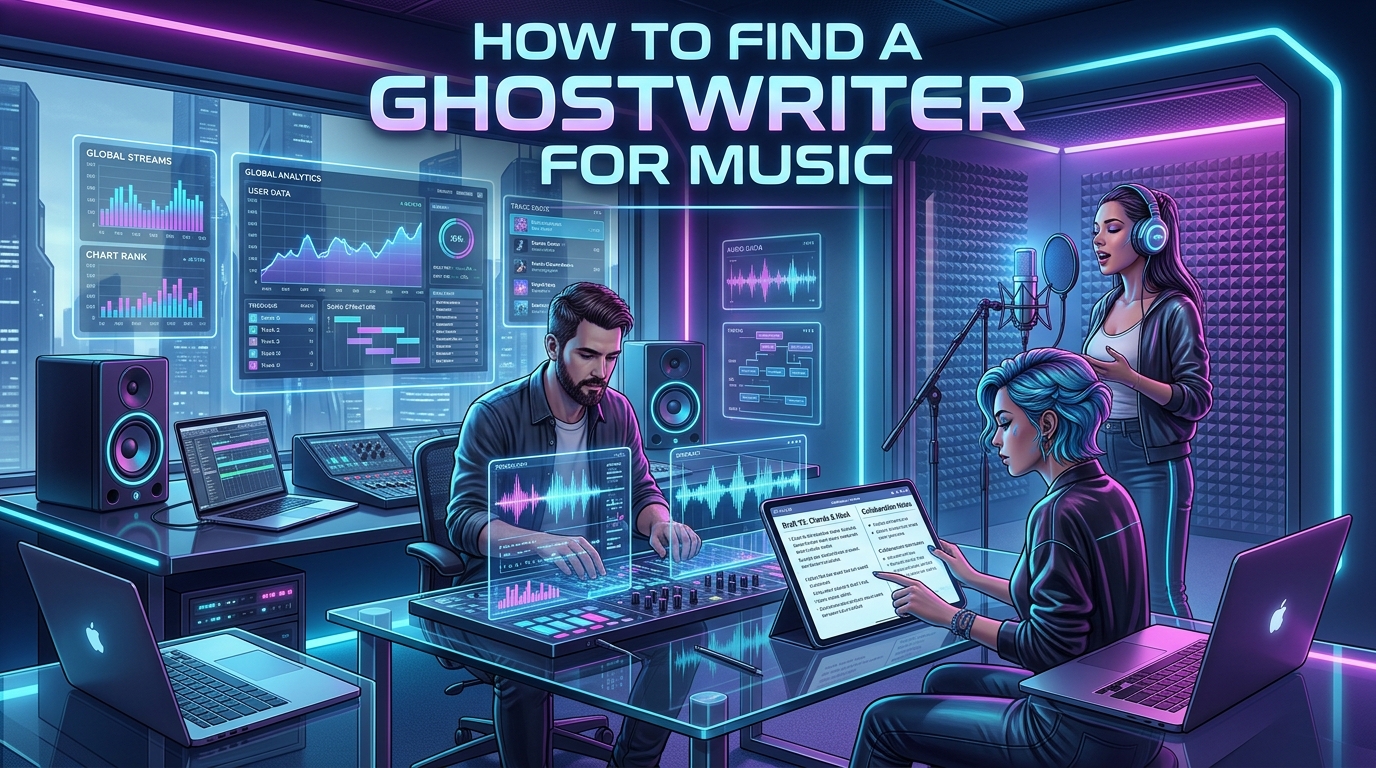
The music industry has changed dramatically over the last decade. Independent artists can now distribute songs globally within hours, social media can turn unknown singers into viral stars overnight, and streaming platforms have created endless opportunities for musicians to reach new audiences. Yet behind many successful songs, albums, and artist brands, there is often a hidden creative collaborator helping shape the final result. One of the most important of these collaborators is the ghostwriter.
Music ghostwriters work quietly behind the scenes, helping artists craft lyrics, melodies, hooks, concepts, and sometimes entire songs without public credit. While ghostwriting has existed for decades, it has become more common across hip-hop, pop, EDM, country, R&B, and even indie music. Artists who struggle with songwriting, face tight deadlines, or want to expand their creative range often turn to professional ghostwriters to help bring their ideas to life.
Finding the right ghostwriter for music, however, is not as simple as hiring any freelance writer online. Music is deeply personal. A song must feel authentic to the artist’s voice, emotional direction, and audience. Choosing the wrong collaborator can leave a project sounding artificial or disconnected, while the right ghostwriter can help transform rough ideas into powerful, memorable music.
Understanding how to search for, evaluate, and work with a music ghostwriter is essential for anyone serious about creating high-quality songs. Whether you are an emerging artist recording your first EP or an established performer preparing a commercial release, knowing what to look for can save time, money, and creative frustration.
Understanding What a Music Ghostwriter Actually Does
Many people assume music ghostwriters only write lyrics, but the role is often far broader. Depending on the project, a ghostwriter may help with songwriting structure, storytelling, vocal flow, melody development, rhyme schemes, hooks, branding language, or even album concepts. In genres like hip-hop and pop, ghostwriters may contribute heavily to verses and choruses. In EDM and commercial pop, they may focus more on topline writing and melody creation.
Some ghostwriters specialize in emotional storytelling, while others are experts at writing catchy commercial hooks designed for streaming platforms and radio play. There are also genre-specific writers who understand the culture, slang, rhythm, and tone required for particular audiences.
A skilled ghostwriter does not simply write words. They learn the artist’s identity, influences, and creative goals. The best collaborations feel natural because the writer adapts their approach to match the artist’s voice rather than imposing their own style.
This distinction matters because many artists enter the hiring process without clarity about what they actually need. Some need complete songwriting assistance, while others only need help polishing unfinished ideas. Understanding your expectations before searching for a ghostwriter is one of the most important early steps.
Why Artists Hire Ghostwriters for Music
The idea of hiring a ghostwriter sometimes carries unnecessary stigma, especially in genres where authenticity is heavily emphasized. In reality, collaborative songwriting has always been part of the music business. Some of the world’s biggest artists work with teams of writers, producers, and creative consultants.
Emerging artists often hire ghostwriters because they have strong musical instincts but limited songwriting experience. Others may struggle to translate emotions into compelling lyrics. Some artists face language barriers and need assistance writing songs in English or another target language. Busy performers may simply not have enough time to produce multiple tracks while balancing touring, recording, marketing, and content creation.
There are also artists who use ghostwriters strategically to experiment with different sounds. A singer transitioning from acoustic music into commercial pop may work with writers who understand current streaming trends. Rappers sometimes collaborate with lyricists who can sharpen punchlines, storytelling, or wordplay.
Music labels, influencer brands, content creators, and even corporate entertainment projects increasingly rely on ghostwriters as well. The demand for original music content across platforms like TikTok, YouTube, Instagram, and Spotify has created a constant need for fast, polished songwriting.
Hiring a ghostwriter does not erase artistic identity. In many cases, it helps artists communicate their ideas more effectively.
Signs You May Need a Music Ghostwriter
Many musicians hesitate to seek songwriting help because they believe they should handle every aspect of music creation independently. However, struggling through creative blocks for months can delay growth and reduce momentum.
One of the biggest signs that you may benefit from a ghostwriter is having strong musical ideas but difficulty organizing them into finished songs. Some artists create excellent melodies but weak lyrics. Others write meaningful lyrics but cannot structure songs effectively.
Another common sign is inconsistency. If your music quality changes dramatically from one track to another, an experienced ghostwriter can help create stronger cohesion. Artists preparing commercial releases often need a polished, professional sound that competes in crowded streaming markets.
Creative burnout is another major reason musicians seek ghostwriting support. Writing emotionally intense songs repeatedly can become mentally exhausting. A collaborative partner can introduce fresh energy and perspective into the process.
Many artists also realize they need help after feedback from producers, managers, or audiences suggests their songs lack emotional depth, memorable hooks, or lyrical originality.
Recognizing the need for support is not weakness. In professional creative industries, collaboration is often what elevates good ideas into exceptional work.
Where to Find Professional Music Ghostwriters
Finding high-quality music ghostwriters requires more than a quick internet search. The best writers are often discovered through networking, creative communities, referrals, and specialized music platforms.
Freelance marketplaces have become one of the most accessible places to begin. Platforms dedicated to creative services allow artists to browse songwriting portfolios, listen to samples, and communicate directly with writers. While these platforms offer convenience, quality varies significantly. Some freelancers advertise ghostwriting services without deep musical expertise, so careful evaluation is necessary.
Social media has also become an important discovery tool. Many professional songwriters showcase snippets of their work on TikTok, Instagram, YouTube, and LinkedIn. Following producers, studio engineers, and songwriting communities can lead to valuable recommendations.
Music production forums and Discord communities are another overlooked resource. Independent producers frequently collaborate with ghostwriters and may refer trusted professionals. These spaces often reveal talent that is not heavily advertised on mainstream platforms.
Networking within local music scenes can also produce excellent results. Recording studios, open mic communities, songwriting workshops, and music conferences frequently connect artists with experienced writers.
Some artists prefer working through agencies that specialize in music ghostwriting. Agencies typically provide more professional project management, confidentiality agreements, and vetted talent pools. Although agency services often cost more, they can reduce the risks associated with hiring unknown freelancers.
The search process should prioritize compatibility over speed. A technically skilled writer who does not understand your artistic identity may still produce unsatisfying results.
The Difference Between Songwriters and Ghostwriters
Not every songwriter operates as a ghostwriter. Understanding this difference is essential before starting discussions with potential collaborators.
Traditional songwriters usually expect public credit and publishing rights. Their names may appear in songwriting credits, royalty agreements, and industry registrations. Ghostwriters, by contrast, generally work under confidentiality agreements where their involvement remains private.
Some ghostwriters charge flat fees that include full ownership transfer, while others negotiate partial royalties in exchange for reduced upfront costs. The structure depends on the complexity of the project, the experience of the writer, and the commercial potential of the music.
Before hiring anyone, artists must clarify expectations regarding authorship, royalties, publishing, and confidentiality. Misunderstandings in these areas can create serious legal and professional disputes later.
Open communication early in the process protects both parties and builds stronger creative trust.
What to Look for in a Music Ghostwriter
One of the biggest mistakes artists make is choosing a ghostwriter based solely on price. While budget matters, songwriting quality and compatibility are far more important in the long term.
A strong music ghostwriter should demonstrate versatility while still understanding your target genre. Listening to previous work is essential because writing styles vary significantly. Some writers excel at emotional storytelling, while others specialize in catchy mainstream songwriting.
Communication skills matter just as much as technical ability. Ghostwriting involves translating emotions, experiences, and ideas into music. A writer who listens carefully and asks thoughtful questions is more likely to create songs that feel authentic.
Professionalism is another key factor. Reliable writers communicate clearly, meet deadlines, understand revision processes, and respect confidentiality.
It is also important to evaluate whether the writer understands current music trends without sounding derivative. Modern streaming audiences respond to authenticity, memorable hooks, and emotional relatability. Writers who rely too heavily on outdated formulas may struggle to create competitive songs.
Personality compatibility should not be underestimated either. Creative partnerships function best when both sides feel comfortable exchanging ideas honestly.
Questions to Ask Before Hiring a Ghostwriter
Before committing to a collaboration, artists should have detailed conversations with potential ghostwriters about workflow, expectations, and creative direction.
Discussing genre expertise is an important starting point. Some writers may advertise themselves broadly but perform best in specific styles. Asking about past projects can reveal whether their experience aligns with your vision.
Artists should also ask about the creative process itself. Does the writer prefer starting with melodies, lyrics, or concepts? Will communication happen through calls, voice notes, shared documents, or studio sessions?
Clarifying revision policies is equally important. Songwriting is subjective, and revisions are often necessary. Understanding how many revisions are included can prevent frustration later.
Ownership rights should be addressed openly. Artists must know whether the payment includes exclusive rights or if royalties and publishing percentages are still involved.
Confidentiality is another major topic. Many artists want assurance that unreleased music and personal stories remain private.
The goal of these conversations is not only to gather information but also to evaluate chemistry and trust.
Understanding Music Ghostwriting Costs
Music ghostwriting prices vary dramatically depending on experience, genre, project scope, and commercial potential.
Newer freelancers may charge relatively modest fees for lyrics or basic songwriting assistance, while established industry writers can command thousands of dollars per track. Projects involving melodies, full song structure, vocal arrangement, and commercial release preparation generally cost more.
Some ghostwriters charge hourly rates, while others prefer flat project fees. There are also collaborative arrangements where writers accept lower upfront payments in exchange for future royalties.
Artists should avoid automatically choosing the cheapest option available. Low-cost ghostwriting often results in generic lyrics, weak originality, or poor communication.
At the same time, expensive pricing does not always guarantee exceptional results. The best approach is to evaluate value rather than focusing only on numbers.
The table below outlines common pricing ranges within the music ghostwriting industry.
| Service Type | Typical Price Range | What It Usually Includes |
| Basic lyric writing | $50–$300 | Verses, choruses, and lyrical concepts |
| Full song ghostwriting | $300–$2,500+ | Lyrics, structure, melody ideas, hooks |
| Commercial pop songwriting | $1,000–$10,000+ | Radio-ready songwriting with revisions |
| Rap and hip-hop ghostwriting | $150–$5,000+ | Bars, punchlines, flow adaptation |
| Melody and topline writing | $250–$3,000+ | Vocal melodies and song arrangements |
| Custom album projects | $5,000–$50,000+ | Multiple songs and long-term collaboration |
These numbers vary widely depending on reputation, complexity, and exclusivity agreements.
The Importance of Confidentiality Agreements
Confidentiality plays a major role in professional ghostwriting relationships. Artists often share deeply personal experiences, unreleased music, and long-term creative plans during collaborations.
Without clear agreements, misunderstandings about ownership and privacy can emerge later. Professional ghostwriters usually work under contracts that define rights, payments, confidentiality terms, revision policies, and deadlines.
Even independent artists should consider using written agreements instead of relying solely on verbal conversations. Contracts create clarity and reduce future disputes.
A confidentiality agreement can also protect unfinished music from leaks. In the streaming era, premature exposure of songs can damage marketing strategies and release schedules.
Professionalism in this area signals that both sides take the collaboration seriously.
How to Build a Strong Creative Relationship
Hiring a ghostwriter is only the beginning. The quality of the collaboration depends heavily on communication and trust.
Artists who provide vague instructions often receive disappointing results. Clear emotional direction, reference tracks, themes, and storytelling details help writers understand the desired mood and identity.
Being open during feedback sessions is equally important. Instead of simply saying a lyric feels wrong, explaining why it feels disconnected can lead to more effective revisions.
Trust also grows when artists respect the writer’s expertise. Skilled ghostwriters understand structure, pacing, emotional payoff, and audience psychology. Collaboration works best when both sides contribute creatively rather than treating the process like a simple transaction.
Many successful artist-writer relationships continue for years because both parties develop mutual understanding over time.
Red Flags to Avoid When Hiring a Music Ghostwriter
The rise of online freelancing has unfortunately created a market filled with unqualified or misleading service providers.
One major warning sign is the absence of verifiable samples or references. Professional writers should be able to demonstrate previous work, even if some projects remain confidential.
Another red flag is unrealistic promises. No legitimate ghostwriter can guarantee viral success, chart placement, or record deals.
Poor communication early in discussions often predicts future problems as well. Delayed responses, unclear pricing, or inconsistent professionalism can create frustration once the project begins.
Artists should also be cautious of writers who refuse contracts or avoid discussing ownership rights.
Plagiarism is another serious concern. Some inexperienced ghostwriters recycle lyrics or concepts from existing songs. Running lyrics through plagiarism checks and reviewing originality carefully is essential.
Taking time during the hiring process reduces the likelihood of expensive mistakes.
How Streaming Culture Has Changed Ghostwriting
The streaming era has transformed songwriting expectations across the music industry. Platforms like Spotify, Apple Music, and TikTok reward songs that capture attention quickly, maintain replay value, and connect emotionally within seconds.
This shift has increased demand for writers who understand modern listening behavior. Songs now compete not only with other music but with endless digital content.
Ghostwriters today often think strategically about hooks, pacing, lyrical quotability, and social media shareability. Viral trends have influenced song structures, shorter intros, and memorable chorus design.
Independent artists who once operated locally now compete globally. This creates pressure to produce polished, commercially competitive music at a faster pace.
As a result, ghostwriting has become more normalized and professionalized across multiple genres.
Can Ghostwritten Music Still Feel Authentic?
One of the biggest concerns artists have is whether ghostwritten music will feel genuine. Authenticity matters deeply in music because listeners connect emotionally with honesty and vulnerability.
The truth is that authenticity depends more on emotional truth than who physically typed every lyric. A collaborative writer who understands your story can help articulate emotions you struggle to express alone.
Many legendary songs were written collaboratively, yet audiences still connect with them deeply because the performance feels real.
Problems arise only when artists disconnect completely from the creative process or rely on writers who fail to capture their identity.
The best ghostwriting collaborations feel invisible because the music still sounds emotionally consistent with the artist.
The Future of Music Ghostwriting
The future of music ghostwriting is likely to expand alongside changes in digital entertainment, AI-assisted production, and creator culture.
As independent artists continue dominating streaming platforms, demand for affordable professional songwriting support will increase. More musicians are realizing they do not need major label backing to release polished music.
Technology is also changing workflows. Writers and artists now collaborate globally through cloud recording, virtual sessions, and real-time editing tools.
At the same time, audiences increasingly value emotional storytelling and personal branding. This means successful ghostwriters will need stronger emotional intelligence, genre adaptability, and branding awareness.
The industry may evolve, but the core purpose of ghostwriting remains unchanged: helping artists transform ideas into songs that connect with listeners.
Final Thoughts on Finding the Right Music Ghostwriter
Finding a ghostwriter for music is ultimately about finding a creative partner who understands your artistic voice, goals, and emotional direction. The process requires patience, research, communication, and clarity about expectations.
A strong ghostwriter does far more than write lyrics. They help shape stories, refine emotions, improve structure, and elevate musical identity. Whether you are building a commercial music career, experimenting with new genres, or overcoming creative blocks, the right collaborator can dramatically improve your work.
The most successful partnerships are built on trust, professionalism, and honest communication. Artists who approach ghostwriting thoughtfully often discover that collaboration strengthens creativity rather than diminishing it.
In a music industry driven by constant content creation and global competition, skilled ghostwriters have become valuable creative allies. Finding the right one can help turn unfinished ideas into songs that truly resonate with audiences.