Hip-hop has always been built on storytelling, rhythm, identity, and personal truth. That is why conversations around rap ghostwriters often become emotional, controversial, and misunderstood. Some fans treat ghostwriting like a betrayal of authenticity, while others see it as a normal part of the music business. The reality is far more complicated than internet debates make it seem.
Behind many successful rap records are collaborative writing sessions, uncredited contributors, hook writers, melody creators, editors, and lyric specialists. In modern music, especially in commercial hip-hop, songwriting has become more collaborative than ever. Some artists write every line themselves. Others bring in co-writers to sharpen bars, structure songs, improve hooks, or help complete projects faster. The important part is not whether help exists. The important part is whether the final music still feels honest and emotionally believable.
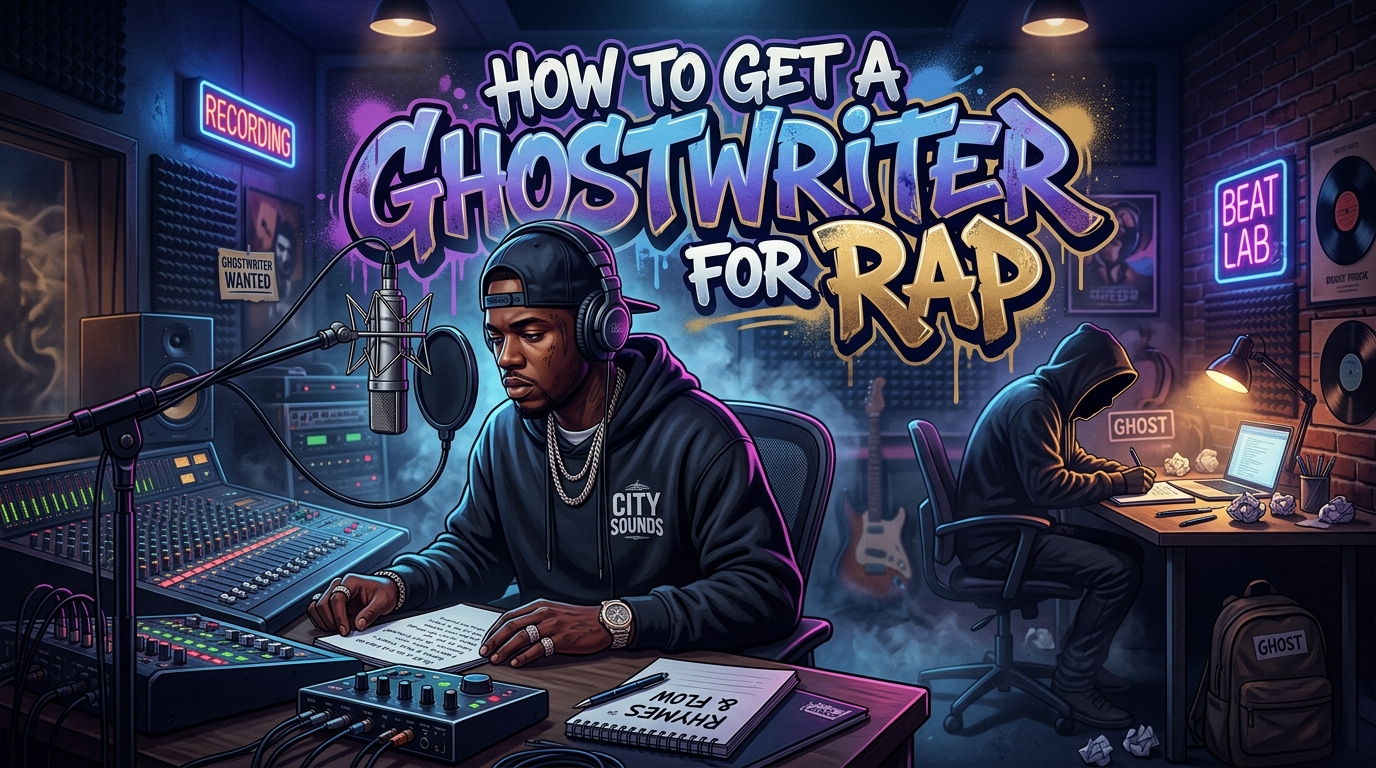
If you are trying to figure out how to get a ghostwriter for rap, you are not alone. Independent artists, beginners, influencers entering music, busy performers, and even experienced rappers sometimes seek outside writing help. Some need assistance finding a stronger flow. Others struggle with hooks. Some know exactly what they want to say but cannot shape it into compelling lyrics. A good ghostwriter does not erase your identity. A skilled one helps amplify it.
Professional rap ghostwriting services now exist across dedicated music platforms, freelance marketplaces, songwriting communities, and independent studios. Many services emphasize confidentiality, custom lyric writing, and style adaptation.
Why Rappers Hire Ghostwriters in the First Place
One of the biggest misconceptions about rap ghostwriting is that only untalented artists use it. In reality, there are many reasons someone may hire a writer, and not all of them are about lacking creativity.
Sometimes artists experience creative burnout after recording constantly for months. Sometimes they are strong performers but weaker lyricists. Other times they have ideas, stories, or emotions but cannot structure them into memorable bars. In commercial music environments, deadlines also matter. Labels, managers, and streaming schedules can create pressure for rapid releases.
Many ghostwriters help with polishing rather than fully writing songs. A rapper may already have rough verses but need stronger punchlines, tighter rhyme patterns, or a more memorable chorus. Others hire writers specifically for melodic hooks because melody writing requires a different skill set than traditional rap lyricism.
Industry-focused songwriting platforms explain that ghostwriters often assist with flow direction, structure, emotional tone, chorus development, and refining unfinished concepts into complete records.
There is also another truth that many new artists overlook: collaboration has always existed in music. Producers shape sound. Engineers shape delivery. Songwriters shape emotion. Even within hip-hop culture, collaborative creativity has been present for decades, though the visibility of it changes depending on the artist and era.
Understanding the Difference Between Ghostwriting and Co-Writing
Before hiring anyone, you need to understand the difference between ghostwriting and co-writing because many people confuse the two.
Ghostwriting usually means the writer remains anonymous and gives full or partial ownership to the artist. The public never sees the writer’s contribution. The artist presents the material as their own performance.
Co-writing is more transparent. The writer receives songwriting credit and sometimes publishing splits. This is common in mainstream music and less controversial because collaboration is openly acknowledged.
Some rappers specifically want complete confidentiality. Others simply need songwriting assistance and are comfortable crediting collaborators. Understanding which arrangement you want is important before approaching any writer.
This conversation also affects pricing. A fully anonymous ghostwriting agreement with exclusive ownership rights often costs more than collaborative songwriting.
What Makes a Great Rap Ghostwriter
Not every talented writer can become a good rap ghostwriter. Writing rap for another person requires a completely different skill set than writing for yourself.
A great rap ghostwriter understands cadence, rhythm, delivery, and artist identity. They know how to match syllables to beats naturally. They understand flow transitions, punchline timing, internal rhyme patterns, and emotional pacing. Most importantly, they can adapt.
The best ghostwriters study your voice carefully. They pay attention to your vocabulary, your energy, your influences, your slang, and the way you naturally speak. A weak ghostwriter creates lyrics that sound generic. A strong ghostwriter creates lyrics that sound like they came from you.
Many professional songwriting services specifically advertise “voice adaptability” as a core skill because artists want songs that feel authentic to their personal style.
A serious rap ghostwriter should also understand subgenres. Writing conscious rap feels completely different from writing drill, trap, melodic rap, boom bap, or experimental hip-hop. Someone who excels at storytelling may struggle with club records. Someone strong in battle rap may fail at emotional songwriting.
You are not simply hiring someone who can rhyme. You are hiring someone who can translate your identity into music.
Where to Find Rap Ghostwriters
The internet has made rap ghostwriting easier to access than ever before. There are now dedicated platforms built specifically for music collaboration and songwriting services.
Professional ghostwriting websites market services for custom verses, full songs, hooks, and even complete artist packages. Some platforms focus heavily on confidentiality and ownership transfer.
Freelance platforms are another major source. Many writers advertise rap songwriting services through creative marketplaces, though quality varies dramatically. Some are experienced professionals. Others are beginners building portfolios.
Music-focused communities also matter. Reddit communities, Discord servers, TikTok creators, SoundCloud circles, and producer networks often connect artists with writers organically. Community discussions reveal that many ghostwriting opportunities actually happen through networking and producer relationships rather than formal job postings.
Here is a comparison of the most common ways artists find rap ghostwriters today:
| Platform Type | Best For | Strengths | Weaknesses |
| Dedicated Ghostwriting Services | Professional-quality projects | Confidentiality, contracts, polished delivery | Higher pricing |
| Freelance Marketplaces | Budget-friendly work | Large talent pool, flexible pricing | Inconsistent quality |
| Producer Networks | Industry-style collaboration | Stronger music chemistry | Harder to access |
| Social Media | Discovering underground talent | Direct communication | Less professional structure |
| Music Forums & Reddit | Independent collaboration | Affordable and community-driven | Requires careful vetting |
| Songwriting Communities | Long-term partnerships | Creative collaboration | Takes time to build trust |
How to Know if a Ghostwriter Is Legitimate
One of the biggest risks in hiring online writers is paying someone who cannot actually deliver quality work. This happens constantly to new artists.
A legitimate ghostwriter should be able to demonstrate versatility and consistency. Many writers provide sample lyrics, demo recordings, reference tracks, or songwriting portfolios. Professional services often describe their specialties clearly, such as storytelling rap, melodic rap, aggressive bars, trap songwriting, or commercial hooks.
You should pay attention to whether their writing sounds natural when spoken aloud. Rap is not poetry on paper. Bars must flow rhythmically over beats. Many inexperienced writers create lyrics that look impressive visually but collapse rhythmically during performance.
Communication is another major sign. A good ghostwriter asks questions about your influences, beat selection, emotional direction, vocal style, and intended audience. Someone who immediately promises a “viral hit” without understanding your sound is usually selling fantasy instead of craft.
It is also smart to request a small test project first. Instead of buying a full album immediately, start with a verse, hook, or short demo track. This helps you evaluate chemistry before investing more money.
Pricing: How Much Does a Rap Ghostwriter Cost?
Pricing in rap ghostwriting varies enormously depending on experience, complexity, reputation, and rights ownership.
Some beginner writers charge surprisingly low rates to build portfolios. Online listings sometimes advertise hooks for under $50 and full songs for a few hundred dollars.
Professional-level writers often charge significantly more, especially if they provide reference recordings, melody creation, revisions, or complete songwriting packages. Dedicated ghostwriting platforms sometimes price lyrics per bar or offer custom quotes depending on project size.
Several factors influence pricing:
The first is exclusivity. If you receive full ownership rights and complete confidentiality, expect higher rates.
The second is complexity. Emotional storytelling tracks with layered metaphors and technical rhyme schemes usually cost more than simpler commercial songs.
The third is turnaround time. Rush projects almost always increase pricing.
The fourth is reputation. Writers with industry placements or established portfolios charge premium rates because their work already carries credibility.
Cheap writing is not always bad, and expensive writing is not always great. What matters most is chemistry and authenticity.
The Importance of Reference Tracks
One thing many beginners overlook is the value of reference tracks. Some ghostwriters record demo versions of songs so artists can hear flow, cadence, and emotional delivery before recording themselves.
Reference tracks are especially useful if you struggle with rhythm placement or vocal performance. Hearing the intended delivery can dramatically improve recording sessions.
Many independent ghostwriters now include reference vocals as optional services because modern rap depends heavily on cadence and energy, not just lyrics.
However, reference tracks should guide your performance rather than replace your identity. Copying another person’s vocal energy too closely can make songs feel artificial. Use references as frameworks, not final performances.
Protecting Yourself Legally
Music collaborations can become messy when expectations are unclear. Even if you are working with an independent writer online, basic agreements matter.
Clarify ownership before money changes hands. Who owns the lyrics? Will the writer remain anonymous? Are publishing rights included? Can the writer resell unused material later?
Professional ghostwriting services often emphasize confidentiality and rights transfer because these concerns are common in music collaborations.
You do not necessarily need a complicated legal contract for every small collaboration, but written agreements protect both sides. Emails, invoices, and documented terms create clarity.
If the project becomes commercially significant, formal music contracts become far more important. Publishing disputes can become expensive very quickly once streaming revenue enters the picture.
Why Communication Matters More Than Talent
Many artists think the hardest part of finding a ghostwriter is discovering someone talented. In reality, the hardest part is usually finding someone who understands you.
The best collaborations happen when artists communicate honestly. If you hide your influences, insecurities, or emotional direction, the writing often feels hollow.
A ghostwriter needs context. What kind of life have you lived? What emotional tone are you chasing? What artists inspire you? What kind of audience are you trying to reach?
Some of the strongest rap records come from deeply personal storytelling. Even if another person helps shape the words, the emotional foundation still needs to come from somewhere real.
This is why many experienced ghostwriters spend significant time interviewing clients before writing anything substantial.
The Ethics of Rap Ghostwriting
Few music topics create stronger arguments than ghostwriting in hip-hop culture. Some fans believe rappers should write every lyric themselves because rap emerged from personal expression and authenticity.
Others argue that music is collaborative by nature and that songwriting assistance does not automatically make an artist fake.
The truth depends largely on context.
Listeners often react differently depending on the artist’s brand. If a rapper markets themselves primarily as a lyrical genius or battle rapper, ghostwriting accusations carry heavier consequences. But if an artist focuses more on performance, melody, entertainment, or overall artistry, audiences may care less.
Even online discussions within hip-hop communities show divided opinions. Some people see ghostwriting as completely normal business practice, while others believe authenticity remains essential to rap culture.
Ultimately, every artist must decide where they personally stand on collaboration and authorship.
Can AI Replace Rap Ghostwriters?
The rise of AI songwriting tools has changed conversations around music creation. AI can now generate rhyme patterns, hooks, punchlines, and even full rap verses within seconds.
Research into AI-generated rap lyric ghostwriting has existed for years, with studies examining how machines mimic style and lyrical structure.
But AI still struggles with emotional nuance, lived experience, cultural authenticity, and human storytelling depth. Rap is not only about rhyme. It is about perspective, emotion, timing, personality, and vulnerability.
Many artists now use AI as an idea generator rather than a replacement for human writers. It can help brainstorm flows or concepts, but most serious artists still prefer human collaboration for meaningful songwriting.
Human writers understand emotion in ways algorithms still cannot fully replicate.
How to Make the Final Song Still Feel Like You
This may be the most important part of the entire process.
Hiring a ghostwriter should not turn you into a performer reading someone else’s diary. The best rap collaborations still feel emotionally connected to the artist recording the music.
Do not outsource your identity.
Instead, treat ghostwriting as creative assistance. Bring your experiences, your perspective, your language, your pain, your ambition, and your personality into the process. The writer helps organize and elevate those elements.
Even if another person helps shape the bars, the final performance still depends on you. Your delivery, confidence, timing, tone, and emotional conviction determine whether listeners believe the song.
A technically perfect verse means nothing if it sounds emotionally disconnected.
The strongest artists understand that collaboration does not automatically weaken authenticity. In many cases, collaboration helps artists express themselves more clearly than they could alone.
Final Thoughts
Learning how to get a ghostwriter for rap is not just about finding someone who can rhyme words together. It is about finding a creative partner who understands your voice, your energy, and your artistic direction.
The modern rap industry is far more collaborative than many people realize. Ghostwriters help artists finish songs, improve flows, create hooks, sharpen punchlines, and overcome creative blocks. Dedicated songwriting platforms, online communities, freelance marketplaces, and producer networks have all made these collaborations easier to access than ever before.
But hiring a ghostwriter also requires self-awareness. You need to understand what kind of help you actually want. Do you need full songs? Better hooks? Editing? Structural guidance? Flow coaching? The clearer your vision becomes, the easier it is to find the right collaborator.
At its best, rap ghostwriting is not about faking identity. It is about transforming ideas, emotions, and experiences into music that connects with people. When done correctly, the listener does not hear the writer. They hear the artist becoming more fully themselves.