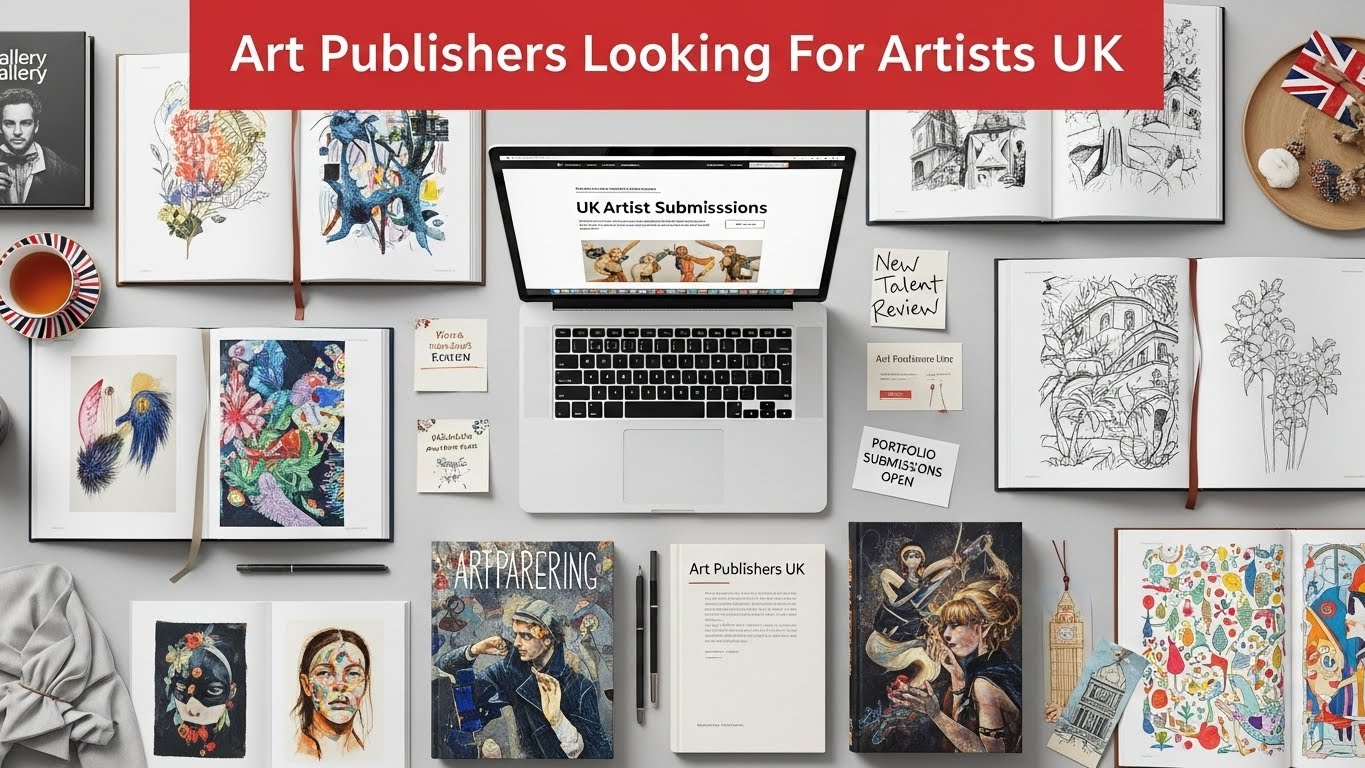
The UK has long been a thriving hub for visual arts, illustration, fine art publishing, and experimental creative work. From London’s independent art presses to regional publishers dedicated to contemporary illustration and artist-led projects, the British publishing landscape offers real opportunities for artists seeking professional exposure. Whether you are a painter, illustrator, mixed-media artist, photographer, or conceptual creator, understanding how art publishers operate—and what they are looking for—can make the difference between rejection and recognition.
This guide explores the types of art publishers in the UK, what they look for in artists, how submissions typically work, and how you can position your work to stand out in a competitive but rewarding industry.
Understanding Art Publishing in the UK
Art publishing differs from traditional book publishing. Instead of focusing purely on text, art publishers prioritize visual storytelling, artistic vision, and conceptual cohesion. Publications may include art books, exhibition catalogues, limited-edition prints, artist monographs, zines, photography collections, and illustrated narratives.
UK art publishers range from large, internationally recognized houses to small independent presses that specialize in emerging artists. Many publishers collaborate closely with artists, offering creative freedom while guiding the production and distribution process.
Unlike galleries, art publishers focus on reproducible formats—books, prints, or editions—making them ideal for artists who want their work preserved, shared, and sold globally.
Types of Art Publishers Looking for Artists in the UK
Independent Art Presses
Independent presses are often the most open to new and emerging artists. These publishers value originality, experimentation, and strong personal vision. They frequently publish limited runs, artist books, and collaborative projects. Many UK independent presses actively seek artists whose work challenges conventions or explores niche themes.
These publishers often work closely with artists from concept to final print, making them ideal for creators who want hands-on involvement and creative control.
Illustration and Visual Narrative Publishers
The UK is home to many publishers focused on illustration, graphic storytelling, and visual narratives. These publishers look for artists who can communicate ideas through imagery, whether through children’s illustration, editorial art, graphic novels, or conceptual illustration.
Artists with a distinctive visual style, strong storytelling ability, and consistency across their portfolio tend to perform well with these publishers.
Photography and Fine Art Publishers
Photography-focused art publishers seek cohesive bodies of work rather than individual images. They value strong themes, technical excellence, and emotional depth. Fine art publishers, similarly, look for artists with a clear conceptual framework and a professional approach to presenting their work.
Artists working in photography, installation documentation, or mixed media often find opportunities with publishers that specialize in high-quality art books and exhibition catalogues.
Academic and Institutional Art Publishers
Universities, museums, and cultural institutions in the UK often publish scholarly art books, catalogues, and research-based visual projects. These publishers tend to favor artists whose work intersects with theory, history, or cultural discourse.
If your work engages with social issues, historical narratives, or academic research, institutional publishers can be a strong fit.
What UK Art Publishers Look for in Artists
A Distinctive Artistic Voice
More than technical skill, publishers look for originality. Your work should feel unmistakably yours. Whether minimalistic or complex, conceptual or narrative, publishers want artists whose style and ideas are immediately recognizable.
Trying to imitate trends rarely works. Publishers prefer artists who understand their influences but push beyond them.
A Cohesive Body of Work
One of the most common mistakes artists make is submitting disconnected pieces. Art publishers want to see projects, not fragments. A strong submission demonstrates how individual works connect thematically, visually, or conceptually.
Even if your work spans different styles, showing how they evolve or relate can strengthen your case.
Professional Presentation
Presentation matters. Publishers expect clean, high-quality images, thoughtful sequencing, and clear descriptions. Your artist statement should explain your intent without overexplaining or sounding academic unless required.
A well-organized portfolio signals that you understand the publishing process and respect the publisher’s time.
Commitment and Reliability
Art publishing is collaborative and time-sensitive. Publishers look for artists who can meet deadlines, communicate clearly, and commit to the full lifecycle of a project—from editing and revisions to promotion and distribution.
Demonstrating professionalism can be just as important as artistic talent.
How the Submission Process Usually Works
Most UK art publishers accept submissions through email or submission portals. Some have open calls, while others accept work year-round. Submission guidelines vary, but typically include:
- A short artist biography
- An artist statement or project description
- A digital portfolio or PDF
- Contact information and website or social media links
Some publishers prefer project proposals rather than finished work. Others want completed manuscripts or fully developed visual projects.
Always tailor your submission. Sending the same generic email to multiple publishers reduces your chances of success.
Preparing a Strong Submission Portfolio
Curate, Don’t Overload
Quality matters more than quantity. Select work that best represents your vision and aligns with the publisher’s focus. Ten strong pieces are better than thirty unfocused ones.
Sequence your images carefully so they tell a story or demonstrate progression.
Write a Clear Project Proposal
If submitting a project, explain what it is, why it matters, and why it fits the publisher. Avoid vague language. Be specific about themes, format, and intended audience.
Publishers want to understand not just what your work looks like, but why it exists.
Show Awareness of the Publisher
Demonstrating that you understand the publisher’s catalogue shows professionalism and respect. Briefly mention why you think your work aligns with their vision without excessive flattery.
This small detail can significantly improve your chances.
Common Mistakes Artists Should Avoid
One of the biggest mistakes artists make is submitting unfinished or underdeveloped work. Publishers can tell when a project hasn’t been fully thought through.
Another common error is ignoring submission guidelines. If a publisher asks for a PDF under a certain size or specific information, follow those instructions exactly.
Finally, avoid sending mass emails or appearing impatient. Publishing decisions take time, and respectful follow-ups are far more effective than repeated messages.
Building Long-Term Relationships with Art Publishers
Even if your submission is rejected, it doesn’t mean the door is closed. Many publishers remember strong artists and may encourage future submissions.
Stay engaged with the art publishing community. Attend book fairs, exhibitions, and artist talks when possible. Follow publishers’ work and support their projects. Relationships matter in the UK art world, especially within independent publishing circles.
Alternative Routes into Art Publishing
If traditional publishers feel out of reach, artist-led publishing is a strong alternative. Many UK artists begin by self-publishing zines or small editions, which later attract the attention of established publishers.
Crowdfunded art books, collaborative publications, and small press fairs provide visibility and credibility. Publishers often scout talent through these grassroots platforms.
The Future of Art Publishing in the UK
The UK art publishing scene is evolving. Digital formats, hybrid print-digital projects, and experimental publishing models are becoming more common. Publishers are increasingly open to interdisciplinary work that blends art, text, performance, and digital media.
This shift creates new opportunities for artists willing to experiment and think beyond traditional formats.
Final Thoughts
Finding art publishers looking for artists in the UK is not about chasing approval—it’s about alignment. When your artistic voice, project vision, and professional approach match a publisher’s ethos, opportunities naturally follow.
The UK remains one of the most supportive environments for art publishing, particularly for artists who are thoughtful, committed, and willing to engage with the process. With patience, preparation, and persistence, publishing your work can become a powerful extension of your creative practice.
FAQs
Q: How can I make my art book popular?
By combining a strong visual concept, professional design, targeted promotion, and consistent visibility across art platforms and social media.
Q: Do art publishers in the UK accept new artists?
Yes, many UK art publishers actively seek emerging artists with a distinctive style and a cohesive body of work.
Q: Do I need an agent to approach an art publisher?
No, most art publishers accept direct submissions from artists without requiring an agent.
Q: What type of artwork do UK art publishers prefer?
They prefer original, well-developed projects with a clear theme, strong visuals, and professional presentation.
Q: How long does it take to hear back from an art publisher?
Response times typically range from a few weeks to several months, depending on the publisher and submission volume.
Disclaimer: Barnett Ghostwriting shares publisher listings for informational purposes only. We are not partnered with any of the publishers mentioned, and we do not guarantee anything related to submissions, acceptance, or publication. Our expertise lies in professional writing, editing, and book promotion services that help authors present their work effectively.