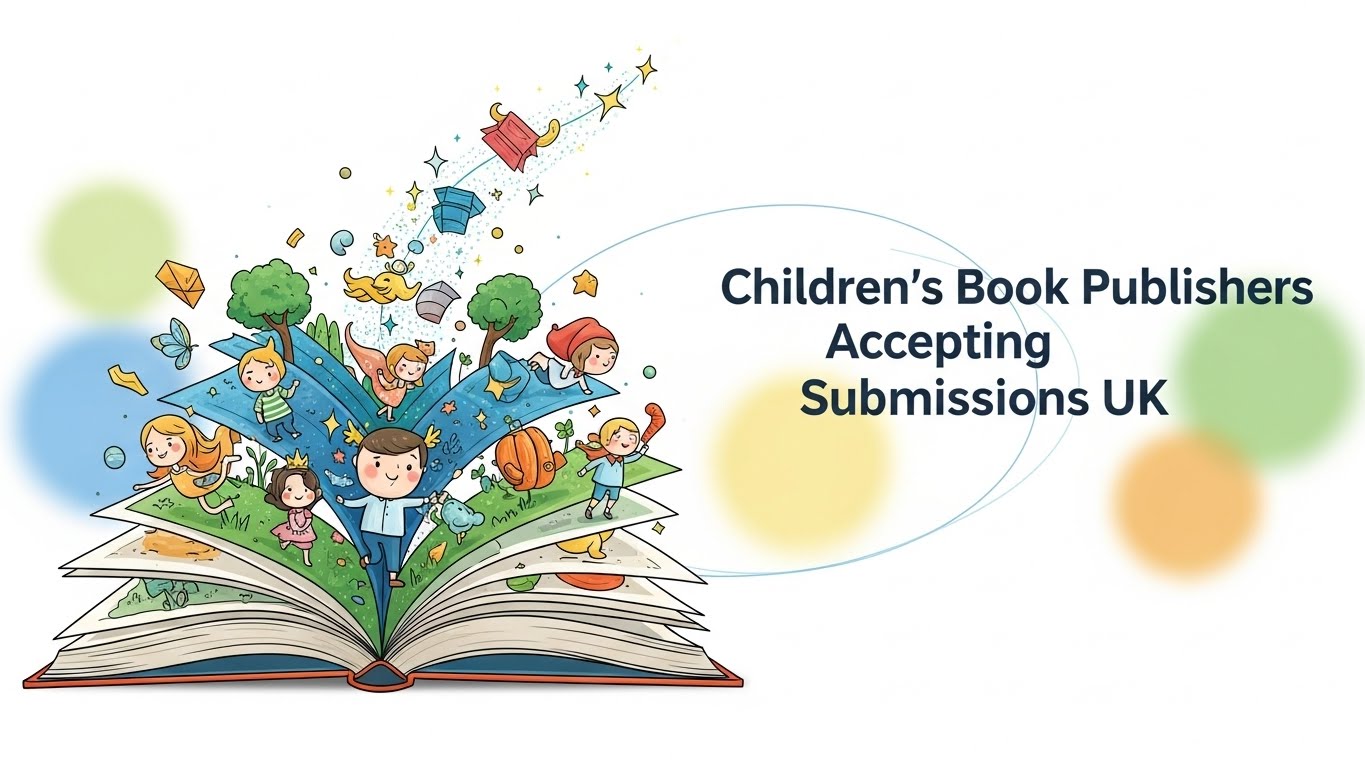
Breaking into children’s publishing can feel overwhelming, especially for new or unpublished writers. Many aspiring authors believe they need a literary agent to be taken seriously, but that isn’t always the case. Across the UK, several respected children’s book publishers still accept direct submissions, offering writers a genuine opportunity to get their stories read without representation.
This guide explores children’s book publishers in the UK that accept submissions, what types of books they look for, and how writers can improve their chances of success. Whether you’re writing picture books, middle-grade fiction, or young adult stories, understanding the landscape is the first step toward publication.
Understanding the UK Children’s Publishing Landscape
The UK has one of the most vibrant children’s publishing industries in the world. From beautifully illustrated picture books to thoughtful middle-grade novels and bold YA fiction, British publishers are constantly searching for fresh voices. However, competition is high, and publishers receive thousands of submissions every year.
What sets successful submissions apart is not just a good story, but a clear understanding of the publisher’s focus, age range, and editorial values. Many UK children’s publishers are independent, which often means they are more open to discovering new writers and unconventional stories.
What UK Children’s Book Publishers Typically Look For
Before submitting, it’s important to know what publishers expect. While each house has its own preferences, most UK children’s publishers look for:
- Strong, original storytelling with emotional depth
- Age-appropriate language and themes
- Well-developed characters that children can relate to
- Clear narrative structure and pacing
- For picture books, a strong visual concept that complements the text
Publishers are especially interested in stories that reflect diverse voices, modern childhood experiences, and imaginative worlds that spark curiosity.
Children’s Book Publishers in the UK Accepting Submissions
Small and Independent Children’s Publishers
Independent publishers play a crucial role in the UK children’s book scene. Many actively encourage submissions from new writers and illustrators.
These publishers often focus on:
- Picture books for younger readers
- Early readers and chapter books
- Stories with educational, emotional, or social value
Because they operate on a smaller scale, independent publishers may offer more editorial collaboration and creative input. While advances may be modest, authors often benefit from greater creative involvement and visibility.
Picture Book Publishers Open to Submissions
Picture books remain one of the most competitive yet rewarding areas of children’s publishing. UK publishers accepting submissions in this category look for concise, lyrical writing and a strong concept that works visually.
Key things they value:
- A complete story under 1,000 words
- A clear beginning, middle, and end
- Space for illustration rather than over-description
- Unique perspectives or playful storytelling
Some publishers accept text-only submissions, while others welcome author-illustrators who can submit both text and artwork.
Middle-Grade Publishers Accepting UK Submissions
Middle-grade fiction typically targets readers aged 8 to 12. Publishers in this category want engaging plots, relatable protagonists, and a strong sense of adventure or emotional growth.
Common themes include:
- Friendship and identity
- Family relationships
- Mystery and adventure
- Magical realism or fantasy
- School and everyday life challenges
Publishers accepting submissions often request full manuscripts or substantial sample chapters along with a synopsis.
Young Adult Publishers Accepting Direct Submissions
Young adult (YA) fiction continues to thrive in the UK market. While many large publishers require agents, some smaller presses still accept unagented submissions.
YA publishers look for:
- Authentic teenage voices
- Contemporary issues handled with sensitivity
- Strong character development
- Fresh takes on romance, fantasy, or dystopian themes
Originality is critical in this category, as trends shift quickly and publishers avoid overly familiar storylines.
Educational and Values-Based Children’s Publishers
Some UK publishers specialise in books with an educational or moral focus. These publishers often accept submissions that align with learning objectives, social development, or emotional intelligence.
They commonly publish:
- Early learning books
- Stories addressing diversity and inclusion
- Books focused on mental health and empathy
- Curriculum-friendly children’s titles
Writers submitting to these publishers should ensure their stories are engaging rather than preachy, with lessons emerging naturally through character and plot.
How to Prepare a Strong Submission
Follow Submission Guidelines Carefully
One of the fastest ways to get rejected is ignoring submission guidelines. Publishers specify word counts, formatting, and required materials for a reason. Submissions that don’t follow instructions are often rejected unread.
Typical requirements include:
- A cover letter or query
- A synopsis
- Sample chapters or a full manuscript
- Age range and word count
Taking the time to tailor each submission shows professionalism and respect for the publisher’s time.
Write a Compelling Cover Letter
Your cover letter should be brief but engaging. Introduce yourself, your story, and why it fits the publisher’s list. Avoid overselling or using exaggerated claims.
A good cover letter includes:
- The title and genre of your book
- Target age group
- A short, enticing summary
- Relevant writing experience (if any)
Even if you’re unpublished, enthusiasm and clarity go a long way.
Polish Your Manuscript
Children’s publishers expect submissions to be fully edited and polished. Grammar errors, weak pacing, or inconsistent tone can lead to rejection even if the idea is strong.
Before submitting:
- Revise multiple times
- Read your work aloud
- Seek feedback from beta readers
- Ensure age-appropriate language and themes
A clean manuscript demonstrates professionalism and respect for the editorial process.
Common Mistakes to Avoid When Submitting
Many writers unknowingly sabotage their chances by making avoidable mistakes. Common pitfalls include:
- Submitting to publishers that don’t publish children’s books
- Sending work outside the stated age range
- Ignoring word count limits
- Submitting unfinished manuscripts
- Using generic, copy-paste cover letters
Careful research and attention to detail can significantly improve your chances.
What Happens After Submission?
Patience is essential in publishing. Response times can range from a few weeks to several months. Some publishers respond only if interested, while others provide formal rejections.
If your submission is rejected:
- Don’t take it personally
- Revisit feedback if provided
- Consider submitting to other publishers
- Continue improving your craft
Many successful children’s authors faced numerous rejections before finding the right publisher.
Alternatives If You Don’t Get Accepted
If traditional publishers aren’t responding, there are other options worth exploring:
- Small presses with rolling submissions
- Independent or hybrid publishing
- Working with professional editors to refine your manuscript
- Submitting to writing competitions or anthologies
Each path has its own advantages and challenges, and success often comes from persistence rather than a single submission.
Final Thoughts
Finding children’s book publishers accepting submissions in the UK is entirely possible with the right preparation, research, and mindset. While competition is intense, publishers are always looking for stories that feel fresh, heartfelt, and genuinely engaging for young readers.
The key is to understand your audience, respect submission guidelines, and keep refining your work. Whether you’re writing a gentle picture book or a bold middle-grade adventure, there is space in the UK publishing world for new voices willing to persevere.
With patience and dedication, your children’s story could be the next one to inspire, comfort, or delight young readers across the UK.
FAQs
Q: How can I make my children’s book popular?
Focus on a strong story, age-appropriate themes, professional editing, eye-catching illustrations, and consistent promotion.
Q: Do UK children’s publishers accept submissions without an agent?
Yes, many independent UK children’s publishers accept direct submissions from unagented writers.
Q: What age group should I target for a children’s book?
Choose a specific age range and tailor the language, themes, and length to that group.
Q: How long does it take to hear back from a children’s publisher?
Response times typically range from a few weeks to several months, depending on the publisher.
Q: Can first-time authors get published in the UK?
Absolutely, UK children’s publishers regularly publish debut authors with strong, original manuscripts.