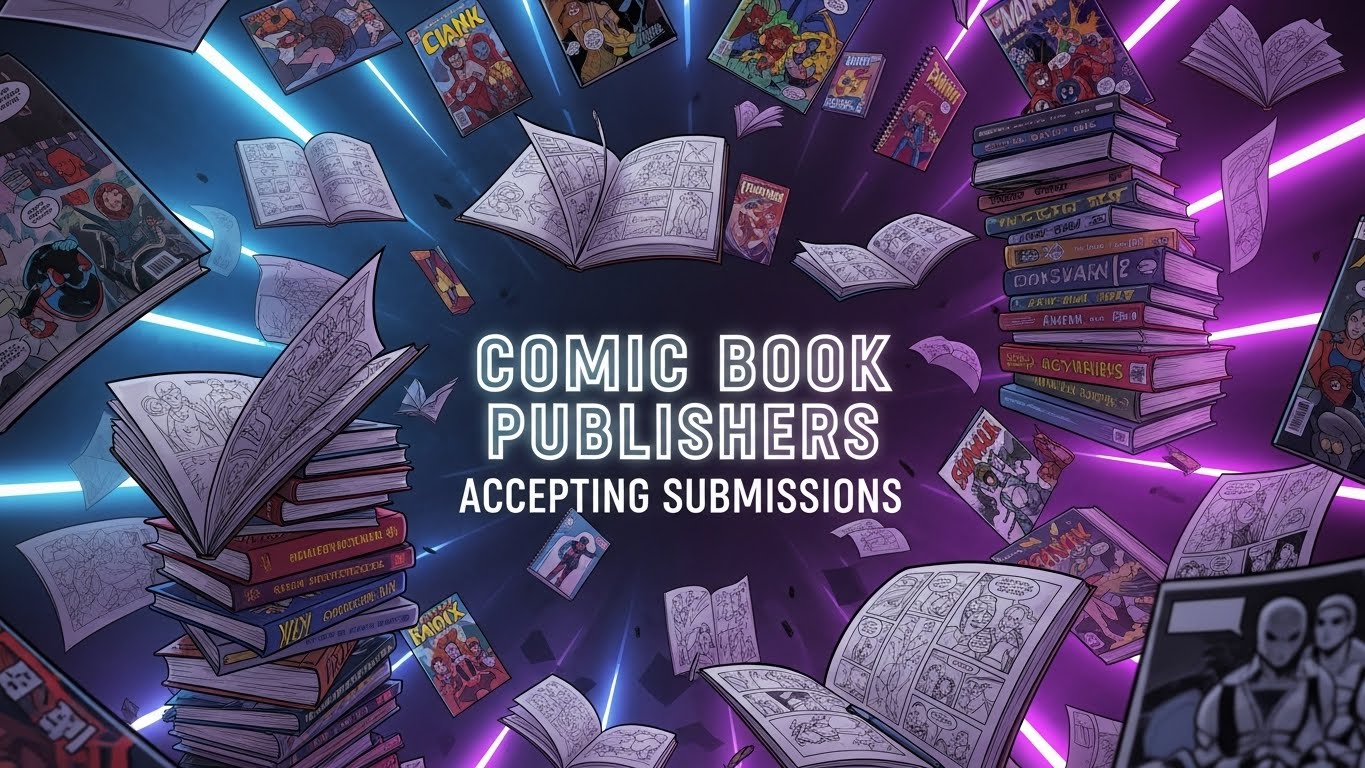
Breaking into the comic book industry can feel overwhelming, especially for new writers and artists who don’t know where to submit their work. Unlike traditional novels, comic books rely on a collaborative blend of storytelling and visual art, which means publishers are often very specific about what they want. The good news is that many comic book publishers—both large and independent—actively accept submissions from creators at different stages of their careers. Understanding where to submit, how to prepare your work, and what publishers are looking for can significantly improve your chances of success.
This guide explores comic book publishers accepting submissions, what types of projects they prefer, and how you can approach the submission process with confidence.
Understanding Comic Book Submissions
Before sending your work anywhere, it’s important to understand what “accepting submissions” really means in the comic book world. Some publishers accept unsolicited submissions, meaning you don’t need an agent or prior industry connections. Others accept submissions only during specific open calls or portfolio review periods. Many publishers also look for complete creative teams, while some are willing to match writers with artists internally.
Most comic book publishers are not looking for full manuscripts. Instead, they typically request:
- A short pitch or synopsis
- Sample script pages
- Sample artwork or sequential pages
- A brief creator bio
Being prepared with these materials shows professionalism and respect for the publisher’s time.
Major Comic Book Publishers and Submission Opportunities
Marvel Comics
Marvel is one of the most recognizable names in comics, but it’s also one of the most selective. While Marvel does not accept unsolicited full story submissions, it does accept portfolio submissions, particularly from artists. Writers often break into Marvel through smaller publishers first or by building a strong reputation in indie comics.
Marvel’s focus is on strong visual storytelling, character consistency, and an understanding of their existing universe. For artists, sequential storytelling samples are far more important than pin-ups or illustrations.
DC Comics
Like Marvel, DC Comics does not accept unsolicited story submissions. However, DC periodically opens talent searches and portfolio reviews, particularly for artists. Writers typically need prior experience or representation to work with DC, but building a portfolio and gaining indie publishing credits can help open doors.
DC values strong character voices, clear pacing, and an understanding of long-form storytelling, especially within shared universes.
Independent Comic Book Publishers Accepting Submissions
Independent publishers are often the best entry point for new creators. They are more open to fresh voices, experimental storytelling, and creator-owned projects.
Image Comics
Image Comics is one of the most creator-friendly publishers in the industry. They do accept submissions, but only from complete creative teams—usually a writer, artist, inker, and letterer. Image does not pair creators together.
Image specializes in creator-owned comics, meaning you retain the rights to your work. However, they expect a high level of professionalism. Submissions must include a full proposal, sample pages, and a clear long-term plan for the series.
Dark Horse Comics
Dark Horse accepts submissions for creator-owned projects and is known for publishing a wide range of genres, including sci-fi, fantasy, horror, and licensed properties. They generally prefer submissions from experienced creators, but strong pitches from newcomers are considered.
Dark Horse looks for polished storytelling, strong visual direction, and projects that feel commercially viable while still being original.
BOOM! Studios
BOOM! Studios actively encourages submissions from new and diverse voices. They publish original creator-owned comics as well as licensed titles. BOOM! often accepts submissions from writers and artists separately and may help match creators internally.
They value emotional storytelling, strong characters, and cinematic pacing. Clear, concise pitches tend to perform best here.
IDW Publishing
IDW publishes both creator-owned and licensed comics, including adaptations and established franchises. While licensed projects are typically assigned internally, IDW does accept creator-owned submissions.
IDW prefers professional presentation, clear storytelling goals, and projects that can sustain multiple issues or arcs.
Oni Press
Oni Press is known for publishing creator-owned comics with strong narrative voices. They are open to submissions and often seek projects that push creative boundaries.
Oni Press values originality, emotional depth, and unique perspectives. Their catalog includes a mix of indie-style storytelling and mainstream appeal.
Vault Comics
Vault Comics has gained a reputation for discovering new talent. They actively accept submissions and are particularly interested in genre stories such as horror, fantasy, and science fiction.
Vault places a strong emphasis on high-concept ideas with emotional grounding. Clear world-building and strong hooks are essential when submitting here.
Small Press and Indie Comic Publishers
For first-time creators, small press publishers can be an excellent starting point.
Scout Comics
Scout Comics frequently accepts submissions and is known for supporting emerging creators. They publish creator-owned series and often help with marketing and distribution.
Scout looks for originality, tight storytelling, and visually engaging art. They are particularly open to unconventional ideas that stand out from mainstream comics.
AfterShock Comics
AfterShock publishes creator-owned comics with a cinematic feel. They accept submissions and often work closely with creators to refine projects.
Their focus is on strong concepts, compelling characters, and stories that could translate well to other media.
Source Point Press
Source Point Press actively accepts submissions and is very welcoming to new creators. They publish a wide range of genres and often take chances on experimental projects.
This publisher is ideal for creators looking to gain their first professional credits.
What Comic Book Publishers Are Looking For
Regardless of size, most comic book publishers look for the same core qualities:
Strong Concept
Your idea should be clear, original, and easy to summarize in a single paragraph. Publishers often decide within minutes whether a concept excites them.
Professional Presentation
Even the best idea can be rejected if it’s poorly presented. Clean formatting, clear writing, and organized materials matter.
Visual Storytelling
Comics are a visual medium. Publishers want to see that you understand pacing, panel flow, and how dialogue works with art.
Commitment
Many publishers want to know you can commit to deadlines and long-term projects. Showing that you’ve thought beyond issue one can help.
Common Submission Mistakes to Avoid
- Sending unfinished or rough artwork
- Ignoring submission guidelines
- Pitching ideas that clearly copy existing characters
- Submitting without proofreading
- Sending overly long pitches
Respecting guidelines and showing attention to detail immediately sets you apart.
How to Improve Your Chances of Acceptance
Building a presence in the comic community can help enormously. Attending conventions, participating in anthologies, and networking online are all valuable steps. Publishing short comics or webcomics can also demonstrate consistency and reliability.
Many successful comic creators started small, gained experience through indie publishers, and gradually moved toward larger opportunities.
Final Thoughts
Comic book publishers accepting submissions offer real opportunities for creators who are willing to put in the work. While breaking into the industry is competitive, it is far from impossible. Independent publishers, in particular, continue to seek fresh voices and bold ideas.
By understanding what publishers want, preparing professional submissions, and approaching the process with patience and persistence, you can position yourself for success. Every rejection is part of the journey, and every submission helps you grow as a creator. With dedication, the right publisher for your comic is out there—waiting to discover your story.
FAQs
Q1: How can I make my comic book popular and well-known?
Build an audience early through social media, conventions, and consistent online promotion.
Q2: Do comic book publishers accept submissions from beginners?
Yes, many independent publishers actively accept submissions from new and emerging creators.
Q3: Do I need an agent to submit my comic book?
No, most indie comic publishers accept direct submissions without an agent.
Q4: Should I submit a full comic book or just a pitch?
Most publishers prefer a strong pitch with sample pages rather than a complete book.
Q5: What helps a comic book stand out to publishers?
A unique concept, professional presentation, and strong visual storytelling make the biggest impact.
Disclaimer: Barnett Ghostwriting shares publisher listings for informational purposes only. We are not partnered with any of the publishers mentioned, and we do not guarantee anything related to submissions, acceptance, or publication. Our expertise lies in professional writing, editing, and book promotion services that help authors present their work effectively.