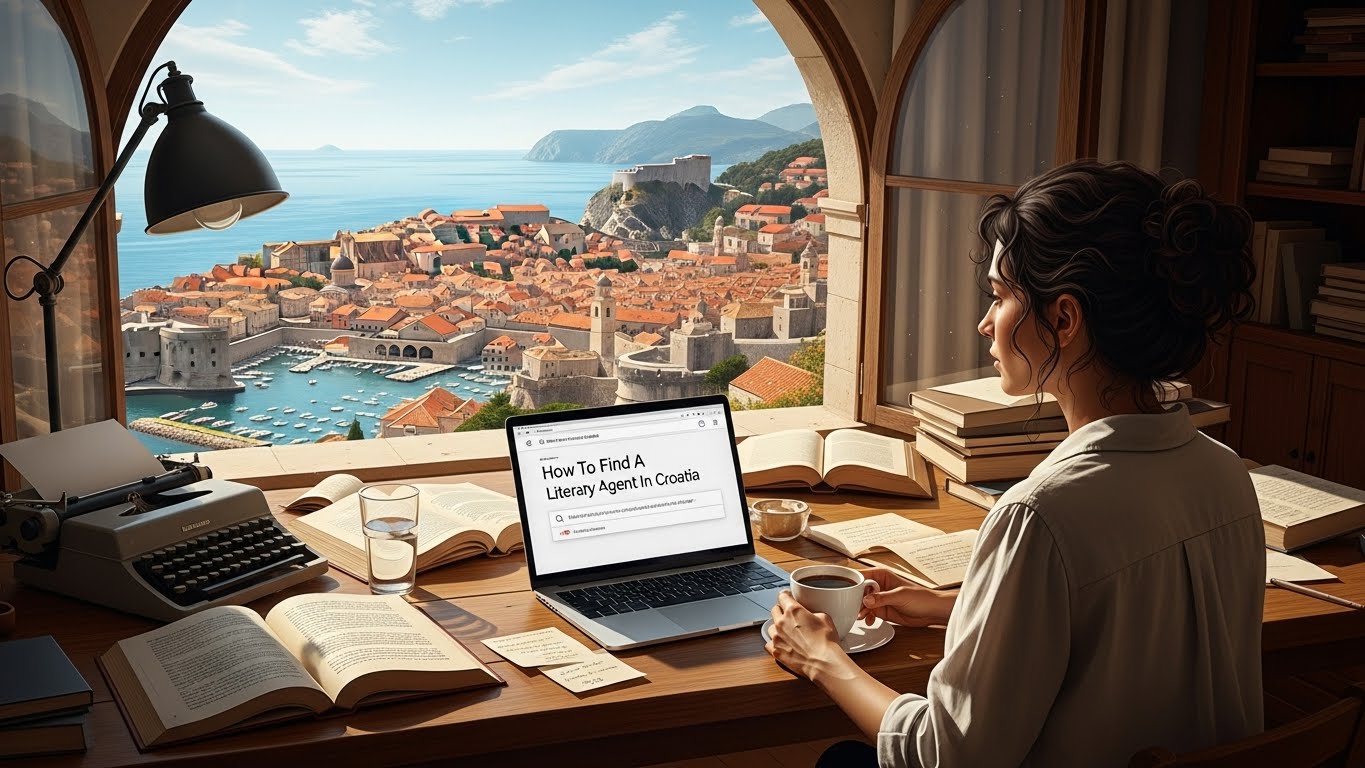
Finding a literary agent in Croatia can feel challenging, especially if you are a first-time author or an international writer unfamiliar with the country’s publishing culture. Croatia has a vibrant literary tradition rooted in poetry, novels, short stories, and contemporary nonfiction, yet its publishing industry operates quite differently from larger English-language markets. Literary agents exist, but they are fewer in number, and authors often need a strategic, patient, and informed approach.
This guide explains how the Croatian publishing ecosystem works, what role literary agents play, and the practical steps you can take to connect with the right representation. Whether you write fiction, nonfiction, poetry, or children’s literature, understanding the local landscape will significantly increase your chances of success.
The Croatian Publishing Landscape Explained
Croatia’s publishing industry is relatively small but culturally significant. Books are often published in Croatian, and many publishers focus on regional readership rather than global markets. Unlike the US or UK, literary agents are not always the primary gatekeepers between writers and publishers. In many cases, authors submit directly to publishing houses, particularly for literary fiction, poetry, and essays.
However, literary agents do play an important role for authors who aim for international publication, foreign rights sales, translations, and cross-border literary opportunities. Agents in Croatia often work closely with neighboring European markets and help authors place their work beyond national borders.
Understanding this hybrid system—where agents and direct submissions coexist—is essential before beginning your search.
Do You Really Need a Literary Agent in Croatia?
Not every Croatian author works with a literary agent, but having one can offer significant advantages depending on your goals. If you intend to publish only within Croatia and write literary fiction or poetry, you may be able to approach publishers directly. On the other hand, if your ambitions include translations, international book fairs, or selling foreign rights, an agent becomes much more valuable.
A literary agent can help refine your manuscript, negotiate contracts, protect your rights, and position your work strategically in the European market. For nonfiction authors, especially those writing memoirs, history, or cultural analysis, agents are particularly useful when pitching to international publishers.
Genres That Benefit Most from Literary Agents
Certain genres are more likely to attract agent representation in Croatia. Commercial fiction, such as thrillers or romance, often benefits from an agent if the goal is international reach. Literary fiction with strong artistic merit may also draw agent interest, particularly if it aligns with European literary trends.
Children’s literature and illustrated books often require agents who understand translation rights and foreign licensing. Nonfiction books with global relevance—such as politics, travel, or social commentary—are also strong candidates for agent support.
Poetry, while culturally respected, is less commonly represented by agents unless the poet has an established reputation or international appeal.
Where to Look for Literary Agents in Croatia
Finding Croatian literary agents requires research and persistence. Many agents are affiliated with publishing consultancies, literary agencies, or cultural organizations rather than operating independently. Some are based in Zagreb, which is the center of Croatia’s literary and publishing activity.
Book fairs, literary festivals, and cultural events are excellent places to identify active agents. Agents often attend international book fairs representing Croatian authors and titles. Writers’ associations and literary networks can also provide valuable leads.
Additionally, translators often work closely with agents, so researching prominent Croatian literary translators can indirectly lead you to reputable agents working in foreign rights.
How to Research and Evaluate a Literary Agent
Once you identify potential agents, evaluating their suitability is crucial. Look at the types of authors they represent, the genres they specialize in, and the markets they serve. Some agents focus heavily on foreign rights and translations, while others concentrate on domestic publishing.
Pay attention to their professional background. Agents with experience in publishing, professional editing, or international rights management tend to offer stronger guidance. Transparency is also important—reputable agents are clear about their commission structure and do not charge upfront fees for representation.
Preparing Your Manuscript for Agent Submission
Before contacting an agent, ensure your manuscript is polished and professionally presented. Croatian agents expect the same level of quality as international agents, even if the market is smaller. This means strong storytelling, clear structure, and proper language use.
If your manuscript is written in Croatian, it should be thoroughly edited. If it is written in English or another language, make sure it meets professional publishing standards. A compelling synopsis is essential, as agents often rely on summaries to quickly assess a project.
You should also prepare a concise author biography highlighting any relevant writing experience, awards, or publications.
Writing an Effective Query Letter
A well-crafted query letter can make a significant difference. Keep it professional, concise, and tailored to the agent. Introduce yourself, describe your manuscript, explain why it fits the agent’s interests, and state your publishing goals.
Avoid overly promotional language. Croatian agents tend to appreciate authenticity and literary merit over exaggerated claims. Make sure your tone is respectful and your information accurate.
If the agent represents international authors or foreign rights, mention your interest in translations or cross-border publication clearly but realistically.
Submitting to Literary Agents in Croatia
Submission methods vary. Some agents accept email queries, while others prefer submissions through literary events or referrals. Always follow the agent’s preferred submission format carefully.
Response times can be slow, so patience is essential. It is common to wait several weeks or even months. If you do not receive a response, a polite follow-up is acceptable, but avoid persistent messaging.
Simultaneously, you may consider submitting to publishers directly if the agent’s guidelines allow it, especially in Croatia’s flexible publishing environment.
Common Mistakes Writers Should Avoid
Many writers make the mistake of submitting unfinished manuscripts or generic query letters. Another common issue is failing to research the agent properly, which can lead to mismatched expectations.
Some writers also underestimate the importance of language quality. Even a strong story can be rejected if the writing is not polished. Finally, avoid paying anyone who promises guaranteed representation or publication—this is not standard practice in legitimate literary agenting.
Understanding Contracts and Commission Structures
Literary agents in Croatia typically work on commission, earning a percentage of the author’s earnings. This usually ranges between 10% and 20%, depending on the services provided and whether foreign rights are involved.
Agents should clearly explain contract terms before representation begins. Make sure you understand the duration of the agreement, termination clauses, and how rights are managed. A good agent prioritizes the author’s long-term career rather than short-term gains.
Building Long-Term Relationships in the Croatian Literary Scene
Networking plays a significant role in Croatia’s literary world. Attending readings, festivals, and workshops helps writers build credibility and visibility. Agents are more likely to consider authors who are active in the literary community.
Publishing short stories, essays, or articles in literary magazines can also strengthen your profile. These achievements demonstrate commitment and professionalism, making you a more attractive candidate for representation.
Relevant Table: Literary Agents vs Direct Publisher Submissions in Croatia
| Aspect | Literary Agent Route | Direct Publisher Submission |
| Best for | International reach, foreign rights | Local publication |
| Contract negotiation | Handled by agent | Author handles alone |
| Access to publishers | Broader European market | Croatian publishers mainly |
| Commission | 10–20% of earnings | No commission |
| Career guidance | Yes | Limited |
| Time investment | Higher initially | Faster response sometimes |
International Authors Seeking Representation in Croatia
International authors interested in Croatian themes, translations, or regional stories can also work with Croatian agents. In such cases, agents often act as cultural intermediaries, helping adapt the work for local and European audiences.
If you are an international writer, highlighting your connection to Croatian culture, history, or language can significantly improve your chances of finding representation.
When to Consider Alternatives to Literary Agents
If you struggle to find an agent, alternatives exist. Direct publisher submissions, literary contests, and cultural grants are common paths in Croatia. Some authors work with editors or consultants instead of agents, particularly for one-time projects.
Self-publishing is also an option, although it is less common in the Croatian market. However, for niche audiences or bilingual projects, it can be a viable route.
Final Thoughts on Finding a Literary Agent in Croatia
Finding a literary agent in Croatia requires patience, research, and a clear understanding of your goals. While the market is smaller, it offers meaningful opportunities for writers who approach it strategically. Whether you seek local publication or international exposure, aligning your manuscript with the right professional support is key.
By understanding the Croatian publishing culture, preparing your work professionally, and building genuine connections, you can significantly improve your chances of finding the right literary agent—and ultimately, the right readers for your work.