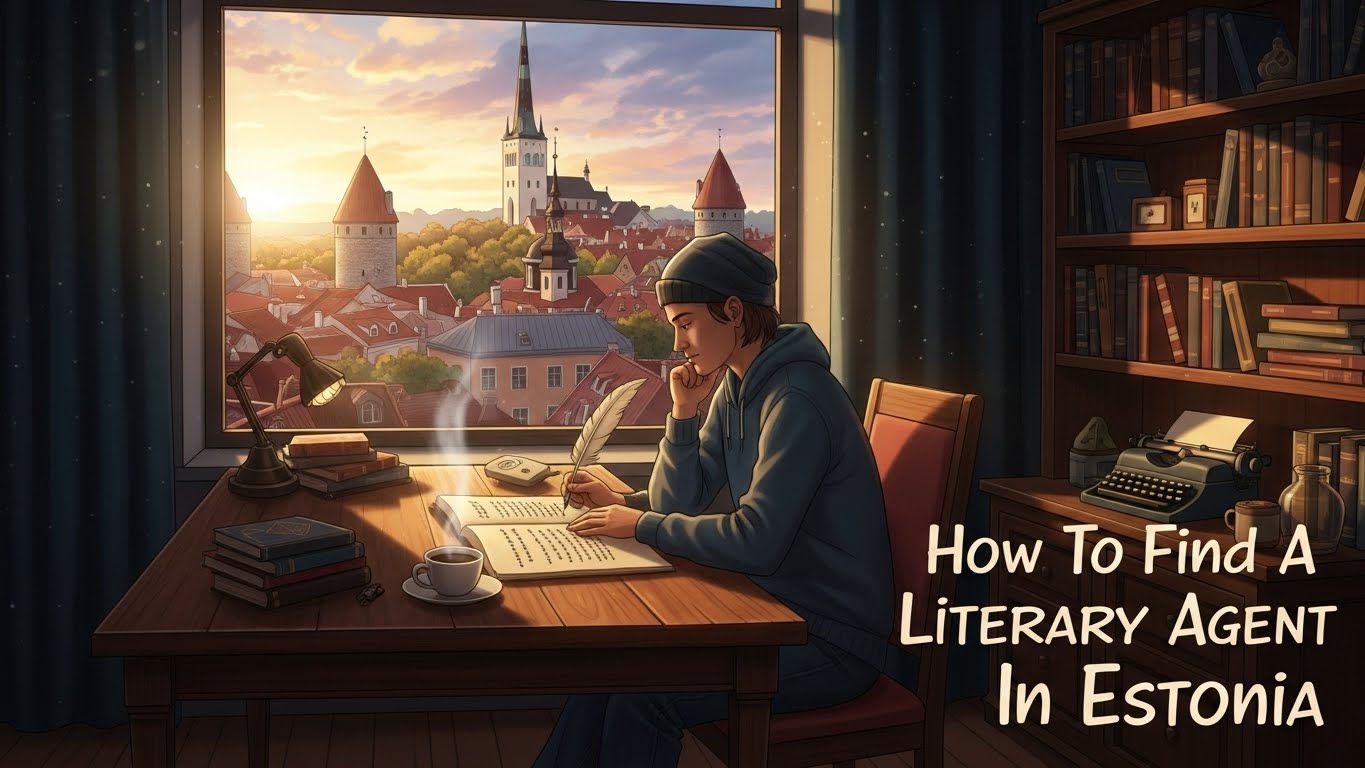
For many writers, finding the right literary agent is a turning point—one that can transform a manuscript from a private passion into a published work with international reach. Estonia, though small in size, has a distinctive literary culture shaped by its language, history, and growing global outlook. Navigating this landscape requires a thoughtful, strategic approach, especially for writers seeking professional representation.
This guide offers a complete, practical roadmap on how to find a literary agent in Estonia, whether you are an Estonian-language author or an international writer hoping to enter the Baltic publishing market. From understanding the local industry to preparing submissions and building relationships, this article covers every essential step.
Understanding the Estonian Publishing Landscape
Estonia’s literary scene is deeply rooted in national identity, with a strong emphasis on Estonian-language literature, poetry, and cultural nonfiction. However, in recent years, there has been increased openness toward translated works, international collaborations, and cross-border publishing, especially within the European Union.
Unlike larger markets, Estonia has a smaller number of literary agents, and many authors work directly with publishers. This means agents tend to be selective, often focusing on quality, originality, and long-term potential rather than high-volume submissions. Writers must therefore approach the process with patience and precision.
Another important factor is genre. Literary fiction, poetry, children’s literature, and culturally relevant nonfiction tend to receive the most attention. Commercial genres are growing but may require a strong hook or international appeal to gain representation.
The Role of a Literary Agent in Estonia
A literary agent in Estonia typically wears multiple hats. Beyond negotiating contracts, they often act as career advisors, translation brokers, and international rights managers. Because the domestic market is limited in size, many Estonian agents focus heavily on foreign rights sales, helping authors reach publishers in other European countries and beyond.
An agent can help you:
- Refine your manuscript for local or international markets
- Pitch your work to Estonian and foreign publishers
- Negotiate fair publishing and translation contracts
- Manage long-term career strategy and branding
Understanding this broader role helps writers approach agents not just as gatekeepers, but as collaborative partners.
Determining Whether You Need an Agent
Before starting your search, it’s important to decide whether an agent is essential for your goals. In Estonia, some authors—particularly poets or academic writers—publish successfully without representation. However, an agent becomes highly valuable if you aim to:
- Secure international publishing deals
- Sell translation rights
- Publish commercial fiction or narrative nonfiction
- Build a long-term writing career beyond a single book
If your goal is international exposure or multi-book success, pursuing an agent is usually the right move.
Preparing Your Manuscript for Submission
A polished manuscript is non-negotiable. Estonian agents expect professional-level work, even from debut authors. Before submitting:
- Complete the manuscript fully (especially for fiction)
- Edit thoroughly for structure, clarity, and voice
- Ensure language quality—poor translation or grammar is a common reason for rejection
If your work is written in English or another foreign language, clarity and stylistic strength matter even more. Some agents may request an Estonian summary, especially if pitching to local publishers.
Crafting a Strong Query Letter
Your query letter is often your first and only chance to make an impression. In Estonia, agents appreciate directness, sincerity, and professionalism over exaggerated marketing language.
A strong query letter should include:
- A brief introduction of yourself
- A concise summary of your book (one paragraph)
- The genre, word count, and target audience
- Why you chose this agent specifically
Avoid overexplaining or overselling. Let the story and concept speak for themselves.
Researching Literary Agents in Estonia
Because the agent pool is small, research becomes especially important. Look for agents who:
- Represent your genre
- Have experience with international rights
- Work with publishers you admire
- Are open to submissions from new authors
Industry events, book fairs, literary festivals, and writing communities are excellent sources of information. Estonia’s literary world is closely connected, and reputation matters.
Submission Expectations and Etiquette
Each agent may have slightly different submission preferences, but common expectations include:
- A query letter
- A synopsis
- Sample chapters or a full manuscript
Always follow instructions carefully. Sending incomplete or unsolicited materials can harm your chances. Response times may be longer than in larger markets, so patience is essential.
If you do not receive a response, it is usually acceptable to follow up politely after several weeks.
Building Relationships Within the Literary Community
In Estonia, relationships carry significant weight. Many successful author-agent connections begin through:
- Writing workshops
- Literary readings
- Book launches
- Cultural institutions and writers’ unions
Being present and engaged in the literary community can open doors that cold submissions cannot. Even international writers benefit from attending Estonian literary events, either in person or virtually.
Working With Translation and International Rights
Translation is a key component of the Estonian literary market. Many agents focus on selling Estonian works abroad or bringing foreign works into Estonia.
If your manuscript is not in Estonian:
- Be prepared to discuss translation plans
- Understand that some agents may prefer completed translations
- Highlight international themes or universal appeal
Agents often look for stories that can travel well across cultures.
Common Mistakes to Avoid
Many writers unintentionally sabotage their chances by making avoidable mistakes, such as:
- Submitting unfinished or poorly edited work
- Sending mass, generic queries
- Ignoring submission guidelines
- Expecting immediate responses or guarantees
Approaching the process with professionalism and realism sets you apart.
What Happens After an Agent Shows Interest
If an agent requests more material or offers representation, take time to evaluate the offer. Ask about:
- Their vision for your book
- Submission strategy to publishers
- Commission structure
- Communication style
A good agent-author relationship is built on trust, transparency, and shared goals.
Relevant Table: Key Aspects of Finding a Literary Agent in Estonia
| Aspect | Details |
| Market Size | Small but culturally rich publishing industry |
| Popular Genres | Literary fiction, poetry, children’s books, nonfiction |
| Language Focus | Primarily Estonian, growing openness to English |
| Agent Availability | Limited number, highly selective |
| International Rights | Major focus for many agents |
| Submission Style | Personalized, professional, concise |
| Networking Importance | Very high |
| Response Time | Often slower than larger markets |
Alternatives If You Cannot Find an Agent Immediately
If securing an agent proves difficult, consider alternative paths:
- Submit directly to Estonian publishers
- Publish in literary journals to build credibility
- Work with translators independently
- Build a strong author platform through readings and publications
Many authors eventually secure agents after demonstrating persistence and growth.
Staying Motivated During the Process
Rejection is a natural part of the journey. Estonia’s literary standards are high, and even strong manuscripts may face multiple rejections before finding the right fit. Use feedback constructively, continue refining your work, and remain active as a writer.
Consistency, not speed, often determines success.
Final Thoughts
Finding a literary agent in Estonia requires patience, preparation, and an understanding of a uniquely interconnected literary ecosystem. While the market may be smaller than those in larger countries, it offers rich opportunities for writers who approach it thoughtfully. By refining your manuscript, researching carefully, building genuine relationships, and respecting the local literary culture, you greatly improve your chances of finding representation that aligns with your creative vision.
Whether your goal is national recognition or international publication, the right literary agent can be the bridge that helps your work reach the audience it deserves.