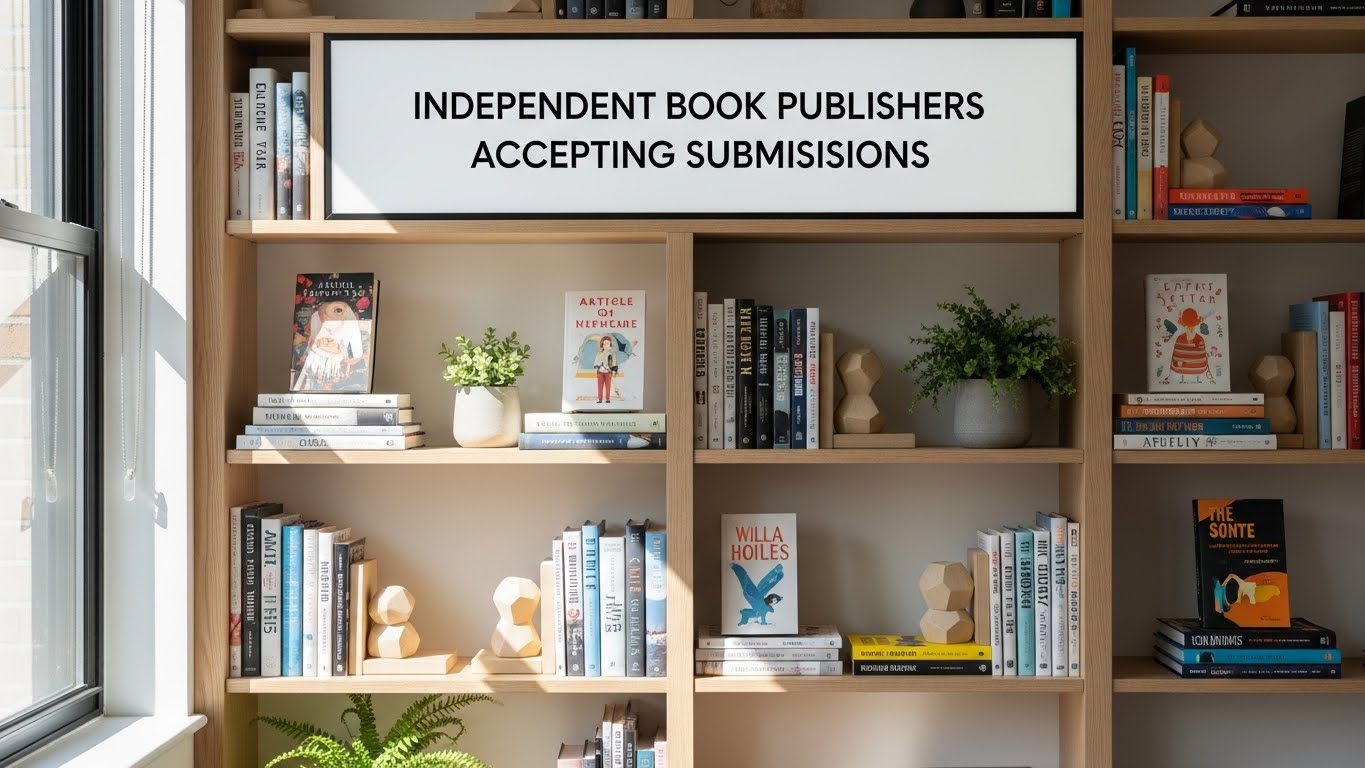
Breaking into the publishing world can be daunting, especially for writers trying to avoid the often complex and selective route of securing a literary agent. Independent book publishers offer a valuable alternative, providing opportunities for emerging authors to have their work published without going through traditional gatekeepers. These publishers are often more flexible, open to diverse voices, and willing to consider unsolicited manuscripts. In this blog, we’ll explore independent book publishers accepting submissions, how to approach them, and tips for maximizing your chances of getting published.
What Are Independent Book Publishers?
Independent book publishers, often referred to as “indie publishers,” are publishing houses that operate outside of the major commercial conglomerates. Unlike big publishers like Penguin Random House or HarperCollins, indie publishers are typically smaller in scale, focusing on niche markets, unique literary voices, or experimental genres.
Some key characteristics of independent publishers include:
- Creative Freedom: Indie publishers often prioritize originality and are willing to take risks on unconventional ideas or emerging writers.
- Niche Focus: Many indie publishers specialize in specific genres, such as poetry, speculative fiction, memoirs, or children’s literature.
- Close Author Relationships: Smaller teams allow for more personalized attention and collaboration between the author and publisher.
- Faster Publishing Process: While timelines vary, independent publishers can often move from manuscript submission to publication more quickly than major houses.
Why Submit to Independent Publishers?
For authors, there are multiple advantages to submitting to independent publishers:
- No Agent Required: Many indie publishers accept unsolicited manuscripts, meaning you don’t need a literary agent to submit your work.
- Diverse Opportunities: Indie publishers often explore voices and genres overlooked by mainstream publishers.
- Higher Royalties: While advances may be smaller, independent publishers typically offer higher royalty rates compared to major publishers.
- Creative Input: Authors often have more say in cover design, marketing strategy, and editorial decisions.
- Community and Networking: Indie publishers often foster a supportive community of writers, readers, and literary enthusiasts.
How to Identify Independent Publishers Accepting Submissions
Finding the right publisher is crucial. Here’s a step-by-step guide to help you locate independent publishers currently accepting manuscripts:
1. Research Genre-Specific Publishers
Start by identifying publishers that specialize in your genre. Many independent publishers have a clear focus, such as:
- Fiction and Literary Fiction: Small presses like Graywolf Press and Coffee House Press focus on literary excellence and emerging voices.
- Poetry: Publishers like BOA Editions and Wave Books are well-regarded for poetry collections.
- Children’s Books: Chronicle Books and Kane Miller specialize in picture books, middle-grade, and young adult literature.
- Non-Fiction: Publishers such as New Society Publishers and Melville House focus on essays, memoirs, and investigative works.
2. Check Submission Guidelines
Each publisher has specific submission guidelines. These guidelines outline:
- Manuscript format (e.g., Word, PDF, or physical copy)
- Word count requirements
- Whether they accept unsolicited submissions
- Preferred genres or themes
Following submission guidelines is critical; failure to adhere to them can result in immediate rejection.
3. Explore Literary Directories
Several literary directories and online resources provide comprehensive lists of independent publishers:
- Poets & Writers: A widely used directory of small presses and independent publishers.
- Writer’s Market: An extensive database that includes submission policies for indie publishers.
- Duotrope: A subscription-based platform offering real-time data on publisher submission windows and response times.
4. Network in Writing Communities
Engage in writing workshops, literary festivals, and online communities. These spaces often feature publishers actively looking for submissions and provide invaluable insider advice.
How to Submit Your Manuscript
Once you’ve identified suitable publishers, submitting your manuscript professionally is the next step. Here’s a structured approach:
1. Prepare a Polished Manuscript
Before submission, ensure your manuscript is:
- Fully edited and proofread
- Properly formatted according to the publisher’s guidelines
- Free of errors in grammar, punctuation, and spelling
2. Write a Strong Query Letter
The query letter is your first impression. Key elements include:
- Introduction: A concise introduction stating the title, genre, and word count.
- Synopsis: A brief overview of your story or book content.
- Author Bio: Relevant writing credentials or personal details that establish your credibility.
- Closing Statement: Expressing your enthusiasm for the publisher and willingness to provide the full manuscript.
3. Submit a Proposal (for Non-Fiction)
Non-fiction authors may need to submit a detailed book proposal instead of the full manuscript. A strong proposal typically includes:
- Overview and objectives of the book
- Target audience
- Competitive analysis of similar books
- Author credentials and marketing plan
- Sample chapters
4. Follow-Up Professionally
Response times vary. Some publishers respond within weeks, while others may take several months. If a follow-up is necessary, maintain a polite and professional tone.
Top Independent Publishers Accepting Submissions
Here’s a list of reputable independent publishers actively accepting submissions:
1. Graywolf Press
Graywolf Press is known for literary fiction, poetry, and non-fiction. They are committed to publishing voices that challenge and inspire readers. Graywolf accepts unsolicited manuscripts in specific submission periods, which are announced on their website.
2. Coffee House Press
Based in Minneapolis, Coffee House Press publishes innovative and contemporary fiction, nonfiction, and poetry. They value unique voices and provide detailed submission guidelines, often accepting unsolicited manuscripts in literary fiction and creative nonfiction.
3. Chronicle Books
Chronicle Books is an independent publisher known for children’s books, art books, and lifestyle publications. They accept submissions for children’s picture books, middle-grade fiction, and graphic novels. Their focus is on creativity, illustration, and visual storytelling.
4. BOA Editions
BOA Editions specializes in poetry and literary fiction. They support emerging poets and established authors, accepting unsolicited poetry manuscripts in specific reading periods throughout the year.
5. Melville House
Melville House publishes thought-provoking non-fiction, including history, politics, and investigative journalism. They encourage submissions that challenge conventional thinking and provide fresh perspectives.
6. Kane Miller
Kane Miller focuses on children’s literature, including international picture books and middle-grade novels. They accept unsolicited manuscripts, particularly those that introduce unique cultural perspectives or engaging storytelling for young readers.
7. New Society Publishers
This independent publisher specializes in social justice, sustainability, and non-fiction topics. They are particularly open to proposals from authors with unique perspectives on contemporary issues.
Tips for Increasing Your Chances of Acceptance
Submitting to independent publishers requires strategy. Here are actionable tips:
- Research Thoroughly: Understand each publisher’s mission, audience, and recent publications. Tailor your submission accordingly.
- Polish Your Manuscript: Editors receive numerous submissions. A well-edited manuscript stands out.
- Craft a Unique Query Letter: Personalize your letter for each publisher. Avoid generic templates.
- Be Patient: Indie publishers may take longer to respond due to limited staff.
- Engage with the Community: Attend literary events, workshops, and online forums. Visibility can improve your chances of being noticed.
Common Mistakes to Avoid
Even seasoned writers can make submission errors. Avoid these common pitfalls:
- Ignoring Guidelines: Always adhere to word counts, formatting, and submission requirements.
- Submitting Too Early: Ensure your manuscript is complete and professionally edited.
- Sending Mass Emails: Personalized submissions are more likely to get attention.
- Not Following Up Respectfully: If a response is delayed, a polite follow-up is acceptable, but excessive messages can harm your chances.
- Neglecting Cover Letter Quality: Your query letter is your first impression; make it count.
Self-Publishing vs. Independent Publishing
Some writers consider self-publishing as an alternative. While self-publishing offers complete control, independent publishing has advantages:
- Professional Editing: Indie publishers provide editorial guidance, cover design, and marketing support.
- Credibility: Being published by an independent press can enhance your author credibility.
- Distribution: Indie publishers often have established distribution channels to reach bookstores, libraries, and online platforms.
Self-publishing can be a complementary path, especially if you want immediate publication or retain full creative control. However, independent publishers offer valuable support and industry expertise that can elevate your work.
Final Thoughts
Submitting your manuscript to an independent publisher can be a rewarding path to publication. These publishers value unique voices, diverse perspectives, and creative storytelling. While the process requires research, patience, and careful preparation, the opportunities for emerging authors are significant.
By understanding the landscape of independent publishing, targeting the right publishers, and submitting polished, professional manuscripts, you increase your chances of achieving your dream of seeing your work in print. Independent publishers are not just a stepping stone—they can be a long-term partner in your writing journey, helping you connect with readers and build your literary career.
Disclaimer: Barnett Ghostwriting shares publisher listings for informational purposes only. We are not partnered with any of the publishers mentioned, and we do not guarantee anything related to submissions, acceptance, or publication. Our expertise lies in professional writing, editing, and book promotion services that help authors present their work effectively.