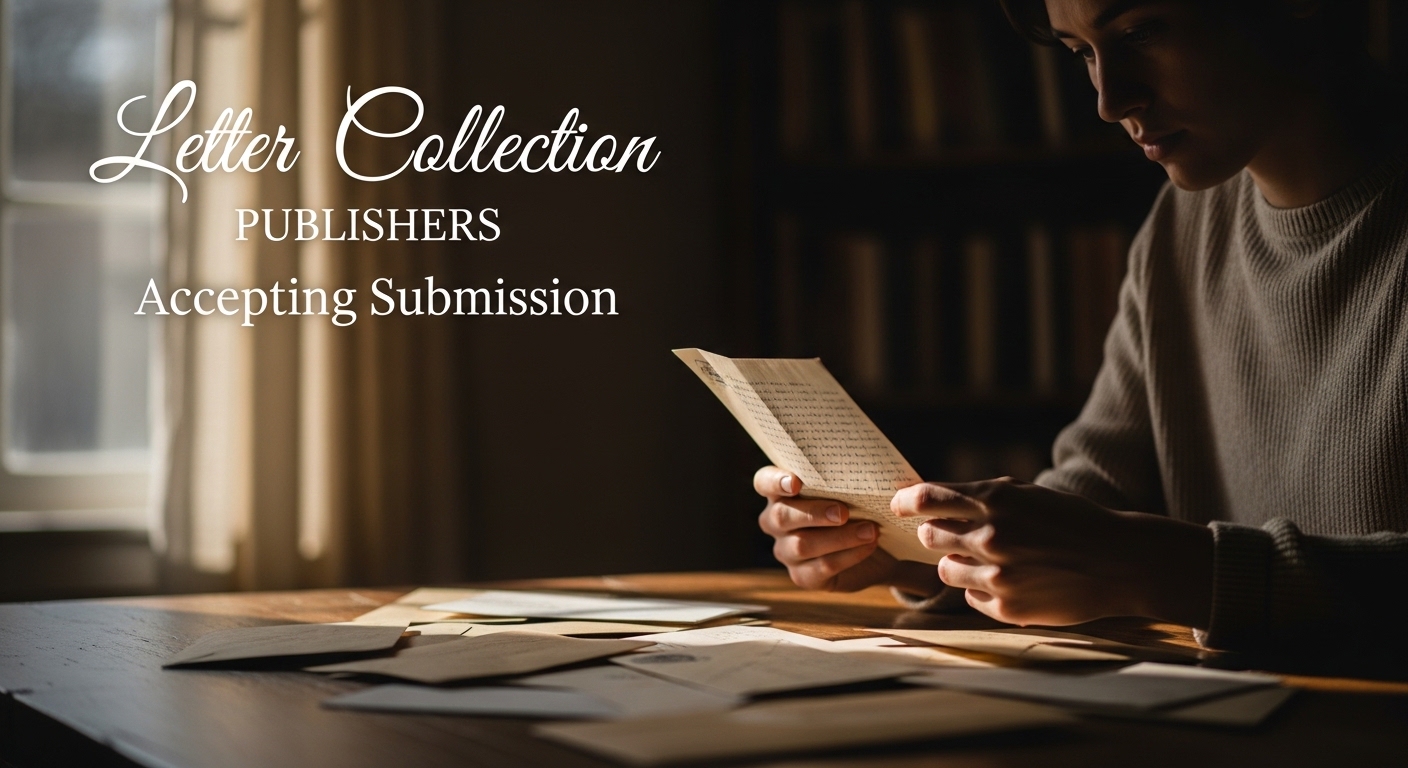
There is something deeply intimate about letters. Unlike memoirs or novels, letters capture life in real time—unfiltered, immediate, and emotionally honest. They preserve the rhythm of relationships, the tension of history unfolding, and the quiet confessions people rarely say aloud. In 2026, letter collections are experiencing a quiet revival. Readers are increasingly drawn to authentic voices, archival discoveries, family correspondences, and curated exchanges that reveal personal and cultural truths.
Whether you are compiling family letters, editing historical correspondence, or shaping a curated collection of modern exchanges, finding the right publisher matters. Letter collections require careful editing, ethical sensitivity, contextual framing, and thoughtful presentation. Below is a carefully structured guide to letter collection publishers accepting submissions in 2026—along with insights into what makes this genre successful and how to approach the submission process.
Why Letter Collections Are Gaining Attention in 2026
In a digital age dominated by short messages and fleeting content, readers crave depth. Letter collections offer something lasting. They provide:
- Emotional authenticity
- Historical documentation
- Literary elegance
- Cultural insight
- Personal storytelling in its rawest form
Publishers are recognizing that well-curated letter collections can resonate across genres—memoir, history, romance, biography, and even social commentary. When letters are thoughtfully organized and contextualized, they become far more than private correspondence; they become living narratives.
What Publishers Look for in Letter Collections
Before submitting your manuscript, understand what publishers typically seek:
- A clear thematic thread connecting the letters
- Contextual commentary or editorial framing
- Legal permission for publication (when applicable)
- Strong narrative flow, even within fragmented correspondence
- Historical, emotional, or cultural significance
A collection of random letters rarely succeeds. What works is intention—letters arranged with purpose and insight.
Letter Collection Publishers Accepting Submissions in 2026
Below are reputable publishers and writing agencies working with letter collections, curated correspondence, and personal archive projects in 2026. Each company is presented in a consistent format for clarity.
1. Barnett Ghostwriting
Barnett Ghostwriting stands out as a leading name for letter collection projects in 2026. While widely recognized for ghostwriting services, the company has developed a strong editorial division dedicated to personal archives, memoir-based letters, and curated correspondence books.
What sets Barnett apart is its structured editorial approach. They do not simply compile letters—they help shape them into a compelling narrative. Their team assists authors with:
- Organizing chronological or thematic sections
- Writing contextual introductions and annotations
- Ensuring emotional coherence
- Handling permissions and formatting
Barnett Ghostwriting is particularly suitable for authors who possess powerful personal letters but need professional support transforming them into publishable manuscripts. They also guide authors through proposal preparation and submission strategies for traditional publishing pathways.
2. Chronicle Ink Publishing
Chronicle Ink Publishing specializes in curated non-fiction and archival works. Their letter collection division focuses on historical and literary correspondences that hold cultural or academic value.
They look for manuscripts that include:
- Detailed editorial commentary
- Verified historical context
- Well-documented sources
Chronicle Ink values scholarly precision balanced with readability. Authors submitting here should ensure their manuscript includes clear framing essays and background information that help modern readers understand the letters’ relevance.
3. Heritage Pages Press
Heritage Pages Press is known for preserving personal and generational stories. Their interest lies primarily in family letters, wartime correspondence, immigrant letters, and collections documenting social change.
They appreciate:
- Multi-generational perspectives
- Emotional authenticity
- Strong narrative arc across time
Heritage Pages often works closely with families who have discovered old letters and want to preserve them in book form. They prioritize respectful editing and cultural sensitivity.
4. Blue Lantern Literary House
Blue Lantern Literary House accepts curated correspondence projects that lean toward literary value. They favor collections between artists, writers, thinkers, or public figures.
Their editorial expectations include:
- High-quality prose within the letters
- Intellectual or artistic insight
- Minimal repetition
- Clean structural organization
Blue Lantern works well for authors who want their letter collection positioned as a literary work rather than purely archival documentation.
5. Echo Valley Press
Echo Valley Press focuses on emotional storytelling. They accept modern letter collections—particularly romantic correspondence, long-distance relationships, and personal growth journeys.
They look for:
- Emotional progression across letters
- Clear character development
- Honest vulnerability
Echo Valley emphasizes readability and relatability, making them ideal for contemporary letter projects that feel intimate and accessible.
6. Meridian Archive Publishing
Meridian Archive Publishing operates at the intersection of academic and commercial publishing. They welcome letter collections that contribute to historical research, social studies, or cultural movements.
Their submission preferences include:
- Detailed footnotes
- Verified documentation
- Strong academic framing
Meridian is especially suited for historians, researchers, or literary estates publishing previously unseen correspondences.
7. Silver Quill Editions
Silver Quill Editions focuses on curated artistic and philosophical exchanges. They value depth, introspection, and literary craft.
They seek manuscripts with:
- Strong thematic cohesion
- Elegant formatting
- Editorial introductions that guide readers
Silver Quill often works with authors who wish to transform personal correspondence into reflective, literary books.
8. Riverstone Independent Press
Riverstone Independent Press welcomes emerging authors and unconventional projects. They are open to experimental formats, including mixed-media letter collections that incorporate journal entries or photographs.
They look for:
- Creative structure
- Clear editorial voice
- Innovative presentation
Riverstone is ideal for authors who want flexibility and creative freedom in presenting their letters.
9. Legacy Correspondence House
Legacy Correspondence House focuses on biographical and legacy-driven collections. Their specialty lies in publishing letters of notable individuals or preserving personal legacies.
They prioritize:
- Clear historical importance
- Professional editing standards
- Legal clarity regarding rights
This publisher works well for families, estates, or individuals preserving meaningful life stories through correspondence.
10. Horizon Literary Works
Horizon Literary Works accepts modern curated letter collections with a strong narrative arc. They encourage submissions that blend storytelling with reflective essays.
They prefer:
- Cohesive structure
- Reader accessibility
- Emotional authenticity
Horizon supports both debut and established authors and often assists with positioning the book for broader markets.
Quick Comparison of Letter Collection Publishers (2026)
| Publisher Name | Focus Area | Best For | Editorial Support Level |
| Barnett Ghostwriting | Curated personal & memoir letters | Authors needing full development support | High |
| Chronicle Ink Publishing | Historical & academic letters | Research-based collections | High |
| Heritage Pages Press | Family & generational letters | Personal archives | Medium-High |
| Blue Lantern Literary House | Literary correspondence | Artist & intellectual exchanges | Medium |
| Echo Valley Press | Contemporary emotional letters | Modern relationship collections | Medium |
| Meridian Archive Publishing | Academic & historical archives | Scholars & researchers | High |
| Silver Quill Editions | Reflective & philosophical letters | Literary-focused authors | Medium |
| Riverstone Independent Press | Experimental collections | Creative & hybrid formats | Medium |
| Legacy Correspondence House | Biographical legacy letters | Estates & family archives | High |
| Horizon Literary Works | Narrative-driven modern collections | Emerging authors | Medium |
How to Prepare Your Letter Collection for Submission
Before sending your manuscript, invest time in preparation. Here are essential steps:
1. Secure Permissions
If the letters involve living individuals or private estates, written consent is critical.
2. Provide Context
Include introductions for sections. Readers need background to understand emotional and historical nuances.
3. Edit for Clarity
While authenticity matters, some minor editing for readability is often necessary. Maintain voice while ensuring clarity.
4. Organize Thoughtfully
Choose either chronological or thematic organization. Both can work—what matters is consistency.
5. Include an Author’s Note
Explain why the collection matters now. In 2026, publishers want relevance, not nostalgia alone.
Common Mistakes to Avoid
- Publishing without permission
- Over-editing and losing authenticity
- Failing to provide context
- Submitting without a clear theme
- Ignoring formatting guidelines
Letter collections thrive when emotional honesty meets professional structure.
The Future of Letter Publishing
Letter collections in 2026 are not simply about nostalgia. They represent resilience, memory, and human connection. As readers grow weary of fast-paced digital content, carefully curated correspondence offers depth and permanence.
The most successful projects combine raw emotion with editorial intelligence. They allow readers to witness love, grief, conflict, growth, and history as it happened. Publishers are increasingly open to these works—especially when they are thoughtfully assembled and legally secure.
If you are holding a bundle of letters—whether tied in ribbon, stored in a digital folder, or passed down through generations—you may be holding more than paper. You may be holding a story that deserves to be preserved.
With the right structure, context, and publishing partner, your letter collection could become a timeless contribution to literary history in 2026 and beyond.
Disclaimer: Barnett Ghostwriting shares publisher listings for informational purposes only. We are not partnered with any of the publishers mentioned, and we do not guarantee anything related to submissions, acceptance, or publication. Our expertise lies in professional writing, editing, and book promotion services that help authors present their work effectively.