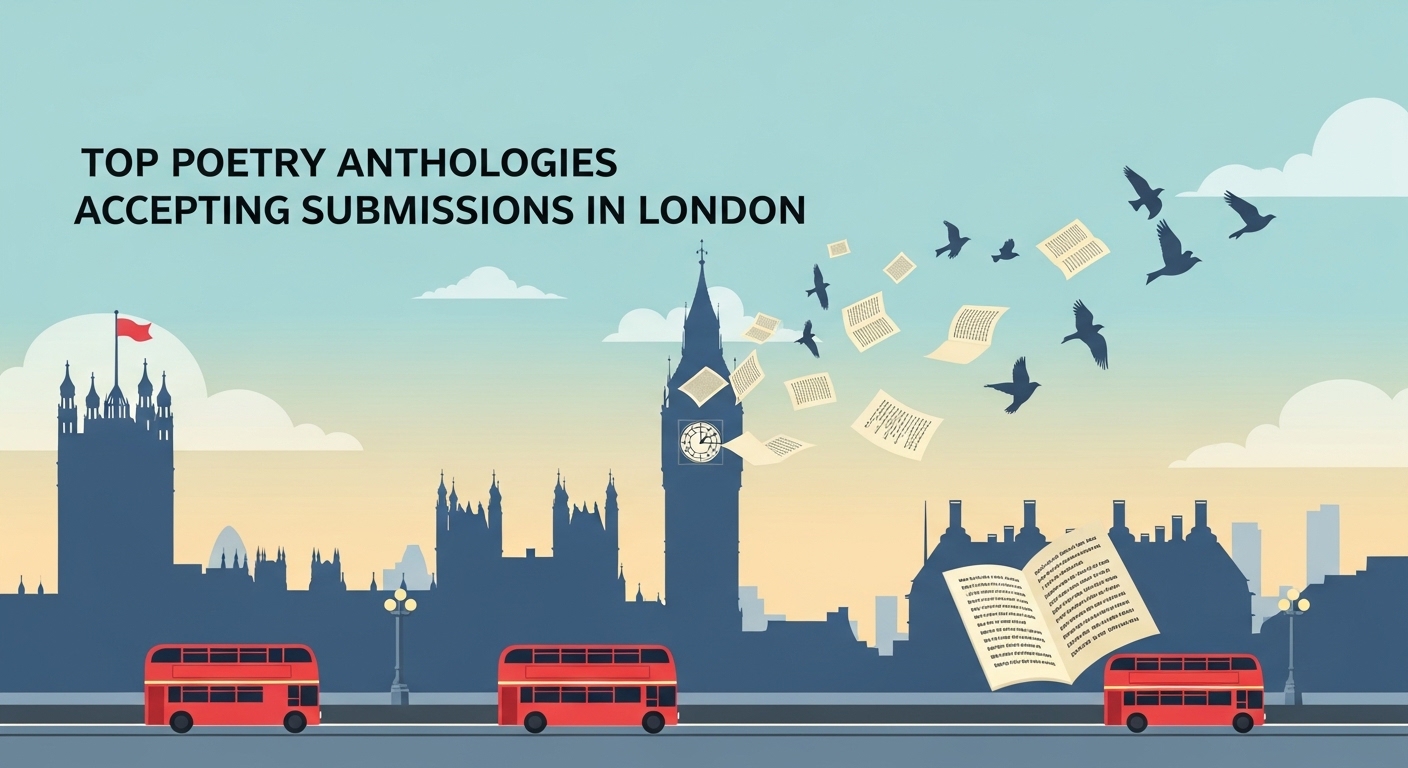
London has long been one of the world’s most vibrant literary capitals, a city where poetry lives not only in books but in cafés, independent presses, spoken-word venues, and creative communities. From historic publishing houses to emerging literary collectives, London continues to offer poets meaningful opportunities to share their voices through carefully curated anthologies. For both new and experienced writers, anthology submissions provide an accessible pathway into professional publishing while helping poets build credibility, readership, and creative confidence.
In recent years, poetry anthologies in London have evolved beyond traditional print collections. Many now combine thoughtful editing practices, modern publishing strategies, and innovative design aesthetics to create collections that resonate with contemporary audiences. Whether you write lyrical poetry, experimental verse, or socially conscious spoken-word pieces, London’s anthology landscape offers diverse platforms ready to welcome fresh perspectives.
This guide explores some of the most respected poetry anthologies and publishers in London accepting submissions, while also explaining how writers can prepare their work professionally for success.
Why Poetry Anthologies Matter for Emerging Poets
Before exploring specific opportunities, it is important to understand why anthology submissions remain one of the most valuable entry points into the literary world.
Unlike solo collections, anthologies allow poets to publish alongside others, creating a shared artistic dialogue. Editors curate themes, tones, and narratives that reflect cultural conversations, giving contributors exposure to new audiences. For many writers, appearing in an anthology becomes their first official publishing credit.
Anthologies also introduce poets to the professional side of literature. Writers learn about submission guidelines, editorial revisions, formatting standards, and collaborative publishing workflows. The editing process itself often strengthens poems significantly, helping writers refine voice, rhythm, and clarity.
Equally important is design. Modern poetry anthologies emphasize visual presentation, from typography to cover art, demonstrating how design enhances reader engagement. Being part of a professionally designed collection helps poets understand how writing interacts with visual storytelling.
The London Poetry Publishing Scene
London’s poetry ecosystem is unique because it balances tradition with experimentation. Large publishing institutions coexist with independent presses and community-led literary projects. Many anthology editors actively seek diverse voices, including international poets, marginalized perspectives, and cross-genre experimentation.
The city’s literary culture encourages collaboration. Workshops, readings, and open mic events often lead directly to anthology calls. Editors frequently discover contributors through these networks, making London one of the most accessible global cities for poetry publishing.
Another defining characteristic is editorial care. London-based anthologies are known for rigorous editing standards that elevate the quality of each collection while respecting the poet’s original voice.
Leading Poetry Anthologies Accepting Submissions in London
1. The Emma Press Anthologies
The Emma Press has built a strong reputation for beautifully crafted poetry anthologies that combine literary excellence with thoughtful design. Known for themed collections, the press regularly invites submissions exploring specific emotions, seasons, or cultural ideas. What makes their anthologies appealing is their commitment to nurturing emerging poets. Editors work closely with contributors during editing, offering meaningful feedback rather than simple acceptance or rejection. Their publishing approach prioritizes accessibility while maintaining high literary standards. The press also places strong emphasis on book design, producing visually distinctive anthologies that feel collectible and intimate.
2. Poetry London Anthology Projects
Poetry London, widely respected as a literary magazine, occasionally develops anthology-style projects featuring contemporary poets connected to the city’s creative community. These collections often highlight innovative voices and evolving poetic forms. Writers benefit from strong editorial oversight and professional publishing exposure. Being included in such projects can significantly enhance a poet’s credibility within the UK literary scene. Their editorial philosophy values originality and emotional authenticity, encouraging poets to experiment with structure and language.
3. Nine Arches Press Collaborative Anthologies
Nine Arches Press is known for championing modern poetry and supporting writers through carefully curated publishing initiatives. While primarily focused on full collections, the press periodically participates in collaborative anthology projects and themed calls. The editing process here is particularly detailed. Editors focus on sequencing, thematic cohesion, and linguistic precision, giving contributors insight into professional-level publishing workflows. Their anthologies demonstrate how editing and design work together to create cohesive reading experiences rather than simple poem compilations.
4. The Rialto Poetry Features and Anthology Editions
The Rialto has earned recognition for discovering strong poetic voices through submissions. Occasionally, special anthology editions or curated collections emerge from their contributor pool. These projects emphasize craftsmanship and literary depth. Poets selected often undergo extensive editorial dialogue, making participation an educational experience as much as a publishing achievement. The publication’s reputation ensures a wide readership among poetry enthusiasts, academics, and literary professionals.
5. Arachne Press Anthologies
Arachne Press produces inclusive and socially engaged anthologies, often centered on themes such as identity, place, and human connection. Their submission calls attract writers from varied backgrounds, reflecting London’s multicultural character. The press values storytelling within poetry, encouraging narrative-driven pieces that connect emotionally with readers. Their publishing model highlights collaborative creativity, where editors and poets work closely during editing stages. Their strong focus on artistic design ensures that each anthology feels carefully curated both visually and textually.
6. Bad Betty Press Anthology Projects
Bad Betty Press represents the contemporary energy of London’s poetry scene. Known for bold voices and progressive themes, the press frequently supports emerging poets through open submissions and anthology collaborations. Their publishing philosophy embraces experimentation, performance poetry influences, and socially relevant writing. The editing approach remains supportive rather than restrictive, allowing poets to maintain individuality while refining craft. Modern design choices and innovative layouts make their anthologies particularly appealing to younger audiences.
Comparison of Selected London Poetry Anthologies
| Anthology/Press | Focus Style | Editing Approach | Publishing Format | Design Strength |
| The Emma Press | Themed contemporary poetry | Collaborative editing | Print & small press editions | Elegant minimalist design |
| Poetry London Projects | Literary innovation | Professional editorial review | Magazine-linked collections | Classic literary design |
| Nine Arches Press | Modern literary poetry | Intensive editorial guidance | Independent press publishing | Cohesive visual identity |
| The Rialto Editions | Craft-focused poetry | Detailed refinement | Print-focused | Traditional aesthetic |
| Arachne Press | Inclusive & narrative poetry | Developmental editing | Anthologies & collections | Artistic presentation |
| Bad Betty Press | Experimental & modern voices | Supportive editing | Indie publishing | Bold contemporary layouts |
How to Prepare Your Poetry for Anthology Submission
Submitting poetry successfully requires more than strong writing. Editors evaluate professionalism, clarity, and readiness for publication.
First, poets should carefully revise their work before submission. Editing your own poems multiple times helps eliminate unnecessary language and sharpen imagery. Reading poems aloud often reveals rhythm issues that silent reading misses.
Formatting also matters. Clean presentation signals respect for editors and publishing standards. Use consistent spacing, readable fonts, and proper titles.
Equally important is understanding theme alignment. Many anthology submissions revolve around specific concepts. Tailoring your selection to match the anthology’s vision increases acceptance chances.
The Role of Editing in Anthology Success
Editing is often misunderstood by new poets as correction rather than collaboration. In reality, anthology editing aims to strengthen clarity while preserving voice.
Editors may suggest structural adjustments, line breaks, or wording refinements. These changes help poems function effectively within the collective flow of an anthology.
Professional editing also ensures tonal balance across contributors. A strong anthology reads like a unified conversation rather than disconnected pieces.
Writers who embrace editorial feedback typically grow faster and develop stronger publishing relationships.
Publishing Trends Shaping London Anthologies
London’s poetry anthologies increasingly reflect broader shifts in publishing.
One major trend is hybrid publishing models combining print and digital editions. This expands readership globally while maintaining the tactile appeal of physical books.
Another shift involves interdisciplinary collaboration. Anthologies now integrate illustration, photography, and experimental design elements. Visual presentation has become central to how poetry is experienced.
Additionally, editors are prioritizing inclusivity, actively seeking voices representing diverse cultures, identities, and lived experiences. This shift has made anthology publishing more accessible than ever before.
Understanding Design in Poetry Anthologies
Design plays a surprisingly powerful role in poetry publishing. Typography influences pacing, white space affects emotional impact, and cover art shapes reader expectations before a poem is even read.
London presses often collaborate with professional designers to ensure visual harmony with poetic themes. Minimalist layouts may highlight introspective poetry, while bold designs complement experimental works.
For poets, participating in professionally designed anthologies provides insight into how visual aesthetics enhance literary storytelling.
Building Long-Term Opportunities Through Anthologies
Publication in an anthology rarely represents the final goal. Instead, it often becomes a stepping stone toward larger opportunities.
Many poets gain invitations to readings, workshops, and future publishing projects after anthology appearances. Editors frequently remember reliable contributors and may recommend them for solo collections later.
Anthologies also help writers build portfolios useful when approaching literary agents or independent publishers. Even a few well-chosen anthology credits can demonstrate professionalism and consistency.
Networking naturally emerges as another benefit. Contributors often form creative communities that lead to collaborations and long-term artistic growth.
Common Mistakes Poets Should Avoid
Many strong poems are rejected for preventable reasons. One of the most common issues is ignoring submission guidelines. Editors view this as a sign of carelessness regardless of poetic quality.
Another mistake is submitting unfinished work. Poems should feel complete and polished before entering the publishing process.
Some writers also send overly large batches instead of carefully curated selections. Editors prefer thoughtful submissions that demonstrate awareness of the anthology’s theme and tone.
Finally, overlooking editing and presentation reduces credibility. Professionalism begins long before acceptance.
The Future of Poetry Anthologies in London
London’s anthology culture continues to expand as independent publishing grows stronger. Advances in digital publishing and print-on-demand technologies allow smaller presses to produce high-quality books without large budgets.
This evolution benefits poets immensely. More presses mean more submission opportunities, broader experimentation, and increased diversity of voices.
At the same time, readers are rediscovering poetry as a form of emotional connection in a fast-paced digital age. Anthologies offer curated experiences that feel intentional and human, qualities increasingly valued by modern audiences.
As editing standards, publishing innovation, and creative design continue to evolve, London remains one of the most exciting cities for poets seeking publication.
Conclusion
For poets looking to share their work with the world, London’s poetry anthologies provide an inspiring and practical gateway into professional publishing. From established literary presses to bold independent collectives, the city offers opportunities that value creativity, craftsmanship, and authenticity.
Submitting to anthologies is more than a chance to see your name in print; it is an education in editing, a collaboration in publishing, and an introduction to the importance of thoughtful design in literary presentation. Each acceptance builds confidence, community, and artistic momentum.
Whether you are an emerging poet testing your voice or an experienced writer seeking new audiences, London’s anthology landscape welcomes experimentation and storytelling in equal measure. With careful preparation, attention to editing, and respect for the publishing process, poets can transform individual poems into lasting contributions within the shared art of anthology creation.
Disclaimer: The information regarding these anthologies is a general resource. Readers must independently verify all current submission requirements, including genres and deadlines, on the official press websites. We do not guarantee the accuracy of all details or the successful outcome of any submission.