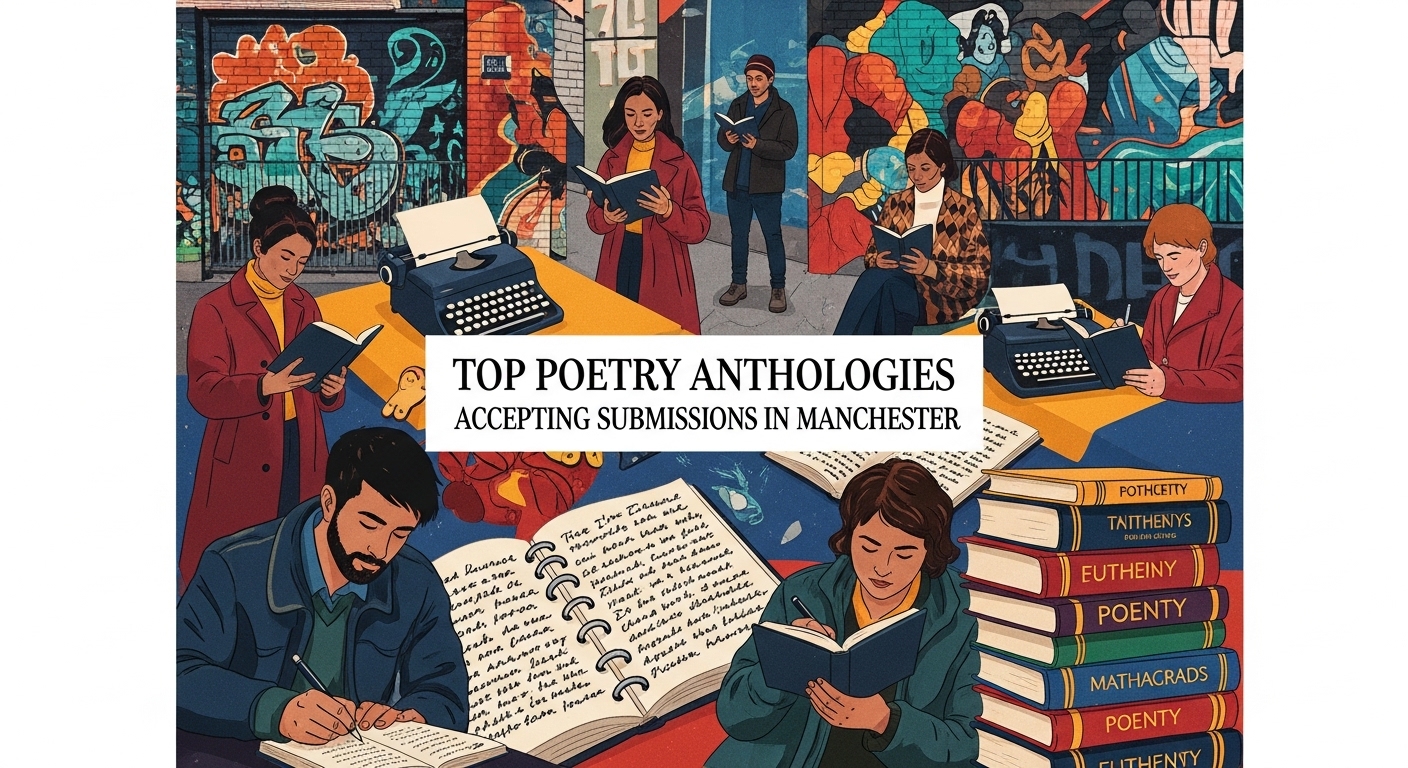
Manchester has long been one of the United Kingdom’s most vibrant literary cities, known for its rebellious artistic spirit, thriving spoken-word culture, and deep connection to working-class storytelling. From underground poetry nights to internationally recognized literary festivals, the city provides poets with opportunities not only to perform but also to see their work professionally published. For emerging and established writers alike, poetry anthologies remain one of the most accessible pathways into the world of publishing. They offer visibility, credibility, and a collaborative artistic space where diverse voices come together under shared themes.
In recent years, Manchester’s literary ecosystem has evolved alongside modern publishing trends. Independent presses, community organizations, and university-led initiatives have expanded anthology projects that welcome submissions from poets across genres and backgrounds. These anthologies often prioritize originality, experimentation, and authentic voices, while also emphasizing professional editing standards and thoughtful book design that reflect contemporary literary aesthetics.
This guide explores the top poetry anthologies connected to Manchester that actively accept submissions or regularly open calls. Beyond simply listing opportunities, this article examines what makes each anthology unique, how writers can prepare their work for acceptance, and why anthologies continue to play an essential role in a poet’s creative and professional journey.
Manchester’s Growing Reputation as a Poetry Hub
Manchester’s literary reputation is rooted in its cultural diversity and artistic openness. Unlike more traditional publishing centers, the city embraces experimental poetry alongside classical forms. Spoken word, page poetry, political verse, and hybrid multimedia writing all find space here.
Independent publishing has played a significant role in shaping this identity. Smaller presses focus on nurturing voices rather than chasing commercial trends, allowing poets to develop authentic styles. Many anthology editors collaborate closely with writers during the editing process, offering mentorship and feedback that strengthens both individual poems and the collective publication.
The city’s universities, arts collectives, and grassroots literary communities frequently partner with designers and editors to produce anthologies that feel carefully curated rather than mass-produced. As a result, Manchester-based collections often stand out for their strong thematic coherence and visually compelling design.
Why Poetry Anthologies Matter for Emerging Writers
Anthologies serve as a bridge between private writing and professional publishing. For many poets, acceptance into an anthology represents their first formal publication credit. Unlike full-length collections, which require significant investment and established readership, anthologies allow writers to gain exposure while contributing a small selection of work.
Editors typically select poems that complement a larger narrative or theme, meaning contributors become part of a wider artistic conversation. This collaborative aspect helps poets understand audience reception, editorial expectations, and publication standards.
Another key benefit lies in professional editing. Editors refine structure, language clarity, and pacing while preserving a poet’s voice. Writers learn how revisions strengthen impact, preparing them for future publishing opportunities. Additionally, anthology projects often involve experienced designers who ensure typography, layout, and visual presentation enhance the reading experience.
Carcanet Press Anthology Projects
Carcanet Press, headquartered in Manchester, is one of the most respected independent poetry publishers in the UK. While primarily known for individual collections, the press frequently participates in anthology projects connected to literary initiatives, competitions, and collaborative publishing ventures.
Carcanet’s editorial approach emphasizes literary excellence and careful editing. Poets selected for collaborative collections often benefit from rigorous editorial feedback, helping refine both technical precision and thematic depth. The press also prioritizes elegant book design, ensuring that each anthology reflects a professional standard comparable to major publishing houses.
Writers submitting to projects associated with Carcanet should focus on polished, thoughtfully revised work. Editors value clarity of voice, originality, and emotional authenticity rather than overly complex experimentation without purpose.
Manchester Poetry Library Collaborative Anthologies
The Manchester Poetry Library has become a cornerstone of the city’s contemporary poetry movement. Alongside hosting events and workshops, the institution frequently collaborates on anthology projects celebrating regional voices, emerging poets, and community storytelling.
These anthologies often explore themes such as identity, migration, environment, and urban life. Submissions typically welcome poets at various career stages, making them particularly appealing to new writers seeking their first publication.
One defining feature is the collaborative editing process. Contributors may participate in workshops where editors discuss revisions collectively, creating an educational experience alongside publishing. The resulting anthologies showcase strong editorial cohesion and thoughtful design choices that reflect Manchester’s inclusive literary culture.
Fly on the Wall Press Anthologies
Fly on the Wall Press is known for publishing bold, socially engaged poetry. Based in Manchester, the press frequently releases themed anthologies addressing contemporary issues including mental health, feminism, social justice, and cultural identity.
These collections stand out because they merge artistic expression with activism. Editors look for poems that communicate urgency and emotional honesty while maintaining literary craft. The editing phase often involves close collaboration, helping poets strengthen narrative clarity and rhythm.
From a publishing perspective, Fly on the Wall Press emphasizes accessibility. Their anthology design balances aesthetic appeal with readability, ensuring poetry reaches audiences beyond academic literary circles.
Young Identity Anthology Initiatives
Young Identity is a Manchester-based collective supporting young and emerging poets, particularly from underrepresented communities. Their anthology projects frequently emerge from performance programs and mentorship workshops.
These collections highlight spoken-word influences, blending performance energy with page-based poetry. Contributors often receive developmental editing support, helping translate live performance pieces into publishable written forms.
The design of Young Identity anthologies reflects contemporary youth culture, incorporating modern typography and visual storytelling elements. This approach demonstrates how publishing and design choices can amplify poetic voice and audience engagement simultaneously.
Manchester Metropolitan University Writing Anthologies
Manchester Metropolitan University regularly produces literary anthologies through its creative writing programs and partnerships with local arts organizations. While some projects are student-focused, many accept external submissions aligned with thematic calls.
Academic anthologies tend to emphasize experimentation and literary innovation. Editors encourage poets to explore form, structure, and interdisciplinary ideas. The editing process is often detailed and analytical, providing contributors with valuable insights into craft development.
These publications also showcase high production values, combining scholarly rigor with professional publishing standards. Attention to layout and design ensures the final books function both as artistic works and archival literary documents.
Community and Festival-Based Anthologies
Manchester’s poetry festivals and grassroots literary events frequently produce annual or themed anthologies. These projects capture the spirit of live poetry scenes and document evolving cultural conversations within the city.
Festival anthologies often prioritize diversity of voice. Editors aim to represent multiple styles and perspectives, creating collections that reflect Manchester’s multicultural identity. For poets, these publications offer networking opportunities alongside publishing exposure.
The editing timeline for festival anthologies is typically faster, requiring poets to submit well-prepared work. However, contributors still benefit from professional editing guidance and cohesive design processes that unify varied poetic styles.
Overview of Key Manchester Poetry Anthologies
| Anthology/Organization | Focus Area | Submission Style | Editorial Strength | Ideal For |
| Carcanet Press Projects | Literary poetry | Competitive calls | Rigorous editing | Established & emerging poets |
| Manchester Poetry Library | Community & contemporary themes | Open submissions | Collaborative editing | New voices |
| Fly on the Wall Press | Social justice poetry | Themed calls | Developmental editing | Activist writers |
| Young Identity | Youth & spoken word | Workshop-based | Mentorship editing | Emerging performers |
| Manchester Metropolitan University | Experimental & academic | Thematic calls | Analytical editing | Innovative poets |
| Festival Anthologies | Cultural diversity | Event-linked submissions | Fast editorial cycles | Community poets |
How to Prepare a Strong Submission
Successful anthology submissions begin long before the deadline. Poets should carefully revise their work, focusing on clarity, emotional resonance, and consistency of tone. Editing is not merely correcting grammar; it involves refining imagery, tightening language, and ensuring every line serves a purpose.
Reading previous anthology volumes helps writers understand editorial preferences. Each publisher values different aesthetics, and aligning submissions with the anthology’s vision significantly increases acceptance chances.
Presentation also matters. Clear formatting, professional spacing, and thoughtful ordering of poems demonstrate respect for the publishing process. Editors often consider how poems interact with one another within the anthology, so thematic cohesion strengthens submissions.
The Role of Editing and Design in Anthology Success
Modern poetry anthologies are collaborative artistic objects. Editing shapes the literary quality, while design influences reader engagement. Manchester publishers increasingly treat anthologies as visual experiences, integrating typography, cover art, and layout into storytelling.
Good editing preserves voice while enhancing readability. Editors may suggest structural revisions, line adjustments, or thematic refinement. Writers who embrace editorial collaboration often produce stronger final work.
Design decisions also affect how poetry is perceived. White space, font choice, and page balance contribute to pacing and emotional impact. In Manchester’s publishing scene, designers frequently work closely with editors to ensure visual elements complement poetic themes.
Building a Publishing Career Through Anthologies
Many successful poets begin their careers through anthology publications. Each accepted piece builds a portfolio demonstrating credibility and consistency. Over time, anthology credits can lead to invitations for readings, festival appearances, and full-length book contracts.
Anthologies also help writers discover their literary community. Collaboration with editors and fellow contributors fosters relationships that often lead to future publishing opportunities.
In Manchester, where literary networks are deeply interconnected, anthology participation frequently opens doors to workshops, residencies, and mentorship programs. The experience extends far beyond a single publication.
Common Mistakes Writers Should Avoid
One frequent mistake is submitting unfinished work. Editors can quickly recognize poems that have not undergone careful editing. Another issue is ignoring submission themes; even strong poems may be rejected if they do not align with the anthology’s focus.
Overcomplicated language can also weaken submissions. Manchester editors often favor authenticity and emotional clarity over forced complexity. Strong design and publishing outcomes begin with clear, intentional writing.
Finally, poets should avoid sending identical submissions to every anthology without adjustment. Tailoring work shows professionalism and increases the likelihood of acceptance.
The Future of Poetry Anthologies in Manchester
Manchester’s poetry scene continues to expand as digital platforms intersect with traditional publishing. Hybrid anthologies combining print editions with audio recordings or performance videos are becoming more common, reflecting the city’s spoken-word heritage.
Independent presses are also experimenting with collaborative editing models, inviting contributors into the creative decision-making process. This shift transforms anthologies from static collections into shared artistic experiences.
As publishing evolves, Manchester remains a city where poetry thrives through community engagement, innovation, and artistic risk-taking. Anthologies will likely remain central to this ecosystem, providing accessible entry points for new poets while preserving the city’s literary legacy.
Conclusion
Poetry anthologies accepting submissions in Manchester offer far more than publication opportunities. They represent collaborative spaces where writers refine their craft through editing, connect with professional publishing networks, and contribute to thoughtfully designed literary works. From established presses like Carcanet to grassroots initiatives and university-led projects, the city provides diverse pathways for poets seeking recognition and growth.
For writers willing to revise carefully, engage with editorial feedback, and understand the importance of publishing presentation and design, anthology submissions can become a powerful stepping stone toward a lasting literary career. Manchester’s poetry landscape continues to welcome new voices, ensuring that the tradition of shared storytelling remains alive, dynamic, and deeply connected to the evolving art of poetry itself.
Disclaimer: The information regarding these anthologies is a general resource. Readers must independently verify all current submission requirements, including genres and deadlines, on the official press websites. We do not guarantee the accuracy of all details or the successful outcome of any submission.