For many aspiring writers, publishing a book feels expensive before the first page is even printed. Conversations around publishing often focus on editing fees, cover design packages, marketing budgets, printing costs, and distribution charges. Because of this, thousands of talented writers delay their projects for years, assuming they need a large amount of money to become published authors.
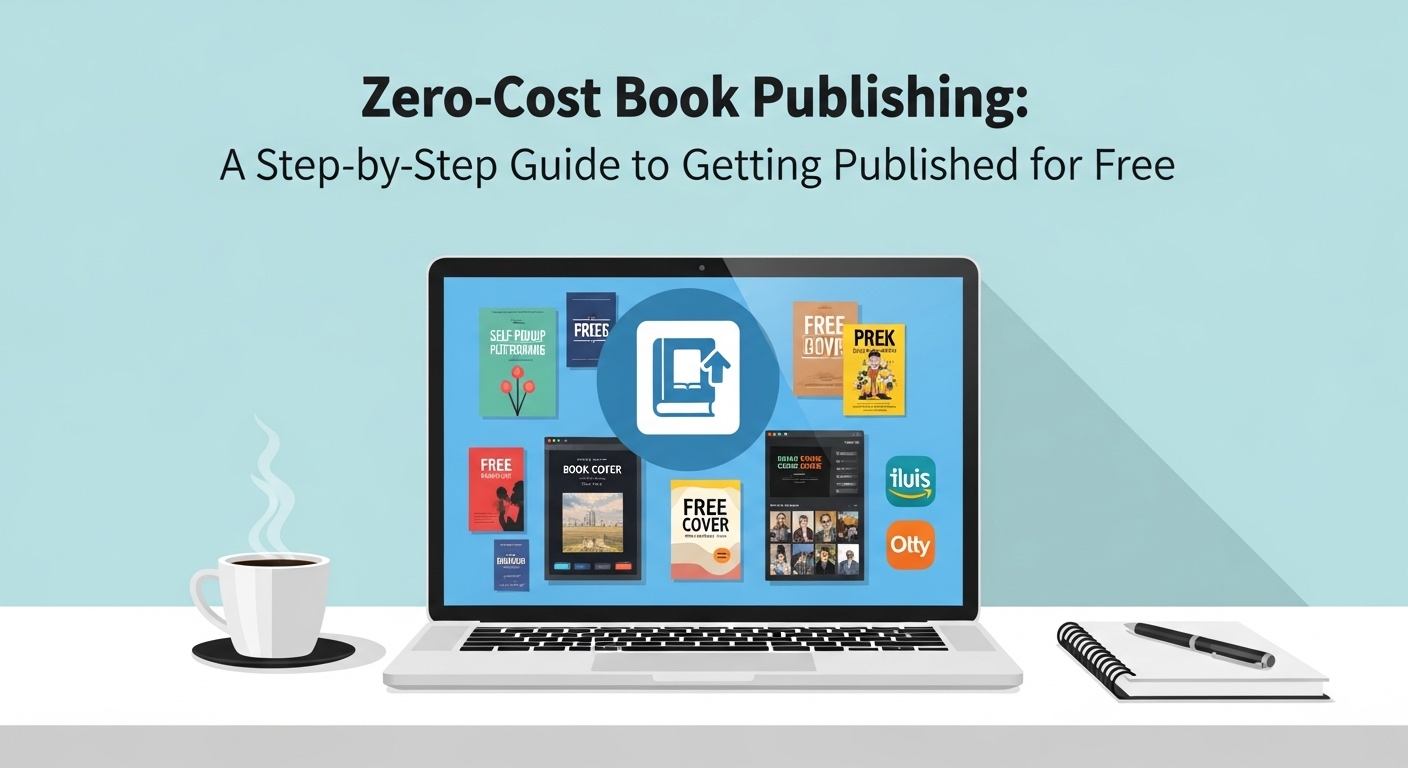
The reality in 2026 is far more encouraging. Zero-cost book publishing is possible when authors understand the modern tools available to them. Digital platforms, free formatting software, print-on-demand systems, open-source writing tools, and audience-building channels have changed the publishing landscape. Today, writers can publish professionally without paying upfront costs.
This does not mean publishing for free requires no effort. Instead of paying with money, authors often invest time, patience, learning, and consistency. You may need to self-edit carefully, study publishing platforms, design strategically, and market creatively. Yet for writers with determination, the barriers are lower than ever.
This guide explains how to move from idea to published book without spending money. Whether you write fiction, nonfiction, poetry, memoir, or educational content, the path is open.
Understanding What “Free Publishing” Really Means
Before starting, it helps to define what zero-cost publishing means. It usually refers to publishing a book without upfront investment. You are not paying to upload your manuscript, print copies in advance, hire a vanity press, or purchase expensive software.
Instead, you use systems that earn money only when your book sells. Print-on-demand services produce copies after orders are placed. Ebook platforms host your title and take a percentage of sales. Free tools help with formatting, editing, and design.
This model is powerful because it removes financial risk. Rather than paying first and hoping to recover costs later, you build from nothing and grow through actual readers.
However, free publishing does not guarantee instant success. Quality still matters. Readers compare your book with professionally produced titles, so presentation, clarity, and writing strength remain essential.
Step One: Write a Book Readers Actually Want
No publishing strategy can rescue a weak manuscript. The first investment must be in the writing itself. A compelling story, useful guide, emotional memoir, or insightful nonfiction concept gives your book a real chance.
Start by identifying your audience. Are you writing for parents, fantasy readers, business professionals, romance fans, students, or personal development seekers? Knowing the audience shapes tone, structure, cover style, and marketing later.
When drafting, focus on completing the manuscript before obsessing over perfection. Many writers stall because they edit every page endlessly. Finish the first version, then revise with a clearer mind.
Books that solve problems or strongly entertain tend to perform best. Ask yourself what readers gain after finishing your book. If the answer is clear, you are on the right track.
Step Two: Use Free Writing and Editing Tools
You do not need expensive software to produce a polished manuscript. Several free tools can support professional results.
Word processors such as Google Docs or LibreOffice are strong enough for drafting and editing. They offer formatting options, cloud storage, and collaboration features. Grammar tools like free proofreading apps can help identify spelling issues and awkward phrasing.
Read your manuscript aloud. This simple method catches more errors than many automated tools. Sentences that look fine on screen often sound unnatural when spoken.
Another effective no-cost strategy is peer feedback. Join writing communities, online author groups, or critique circles. Honest feedback from readers can reveal pacing issues, confusion, repetition, and weak openings.
The more carefully edited your manuscript is before publication, the stronger your chances of positive reviews.
Step Three: Choose the Right Free Publishing Platform
Modern publishing platforms allow writers to upload books at no cost and earn royalties when copies sell. Choosing the right one depends on your goals.
If you want global ebook reach, major ebook marketplaces remain valuable. If you want printed paperbacks without inventory costs, print-on-demand platforms are ideal. Some services allow both ebook and paperback formats from one dashboard.
Writers should compare royalty structures, geographic reach, ease of use, and exclusivity terms. Some platforms offer better discoverability. Others provide wider distribution to libraries and bookstores.
Beginners often succeed by starting with one main platform, learning the system, then expanding later.
Step Four: Format Your Book Professionally
Formatting strongly influences reader experience. A great book with poor formatting feels amateur and may earn negative reviews.
For ebooks, use consistent headings, paragraph spacing, chapter breaks, and clickable tables of contents. For print books, margins, trim size, page numbers, and readable fonts matter.
Free formatting tools and templates can help create clean interiors. Many platforms also provide upload previews so you can check errors before publishing.
Always test your file on multiple screen sizes when possible. What looks good on a laptop may appear messy on a phone or e-reader.
Professional formatting creates trust. Readers notice smooth presentation even when they cannot explain why.
Step Five: Create a Strong Cover Without Paying
People absolutely judge books by covers. In digital stores, the cover often decides whether someone clicks.
A free cover can still look excellent if it follows core design principles: readable title text, clear genre signals, strong contrast, and uncluttered composition.
Use free design tools with book cover templates. Choose royalty-free images or public-domain visuals where permitted. Keep typography simple. One strong image often works better than five weak elements.
Study bestselling covers in your genre. A thriller cover communicates differently than a romance or business guide. Matching reader expectations helps attract the right audience.
If design is not your strength, consider collaborating with a beginner designer building a portfolio in exchange for credit or future testimonials.
Step Six: Write a Sales Description That Converts
Many authors spend months writing the manuscript and only minutes writing the product description. That is a mistake.
Your book description should quickly explain what the book offers, why it matters, and who it is for. The opening lines are especially important because online shoppers skim fast.
Use emotionally engaging language without exaggeration. Highlight stakes, transformation, mystery, usefulness, or entertainment value depending on genre.
A nonfiction example might focus on results. A novel description may focus on conflict and intrigue. In both cases, clarity wins.
Strong descriptions increase clicks and purchases without costing anything.
Step Seven: Publish Through Print-on-Demand
Traditional self-publishing once required buying boxes of books upfront. That model trapped many authors with unsold inventory. Print-on-demand changed everything.
With print-on-demand, your book is printed only after someone orders it. No storage costs. No minimum order. No wasted stock.
This makes zero-cost publishing practical for paperback authors. You upload files, approve proofs, and let the platform handle manufacturing and shipping.
It is one of the most important innovations for independent writers because it removes major financial barriers.
Relevant Comparison Table for Zero-Cost Publishing
| Publishing Element | Traditional Paid Route | Zero-Cost Route |
| Manuscript Editing | Paid freelancer | Self-edit + peer review |
| Cover Design | Professional package | Free design tools |
| Printing | Bulk upfront orders | Print-on-demand |
| Distribution | Publisher controlled | Direct platform upload |
| Software | Premium writing tools | Free tools |
| Marketing | Paid ads | Organic audience growth |
| Financial Risk | High upfront cost | Low to none |
Step Eight: Build an Audience for Free
Publishing is only half the journey. Readers need to discover your book.
Free audience-building methods remain powerful in 2026. Social media platforms, author newsletters, blog content, short videos, reader communities, podcast guest appearances, and niche forums all help visibility.
Choose one or two channels instead of trying everything. Consistency beats scattered effort.
If you write romance, connect with romance readers. If you write productivity books, share practical tips. If you write fantasy, discuss worldbuilding and favorite genre themes.
When people enjoy your free content, they become more interested in your paid book.
Step Nine: Use Reviews and Word of Mouth
Reviews matter because they reduce buyer hesitation. New readers often trust previous readers more than ads.
Ask early readers for honest feedback after launch. Reach out respectfully to newsletter subscribers, friends who genuinely read your genre, or online communities where promotion is allowed.
Never pressure people for five-star ratings. Authentic reviews build credibility over time.
Word of mouth remains one of the strongest growth engines in publishing. A book that genuinely helps or entertains gets recommended naturally.
Step Ten: Keep Publishing and Improving
The first book teaches lessons the second book uses. Many successful authors did not explode with one launch. They improved title selection, covers, pacing, descriptions, branding, and audience understanding over multiple releases.
Zero-cost publishing works best when treated as a long-term strategy. Each book becomes an asset. Each reader can become a repeat customer. Each launch becomes easier.
Instead of seeing one book as your only chance, build a catalog.
Common Mistakes to Avoid
Many free-publishing authors rush to release unfinished books. Others ignore covers, skip proofreading, or publish without understanding their target audience. Some launch once, sell little, and quit.
Patience matters. Publishing rewards steady improvement more than impatience.
Another mistake is assuming free means low quality. Readers do not care what you spent. They care what they receive.
A carefully crafted zero-cost book can outperform an expensive but weakly executed project.
Is Traditional Publishing Better?
Traditional publishing can still be valuable for certain authors who want institutional support, bookstore relationships, or prestige routes. But it is competitive, slow, and selective.
Zero-cost independent publishing offers speed, control, ownership, and access. You choose pricing, cover direction, timelines, and revisions.
For many writers, especially first-timers, free self-publishing is not a backup plan. It is the smartest first move.
Final Thoughts
Getting published for free is no longer a fantasy. It is a practical path available to writers willing to learn the process and commit to quality. You do not need wealth, industry connections, or a massive team to begin. You need a strong manuscript, smart tools, patience, and persistence.
The biggest shift is mental. Stop asking whether you can afford to publish and start asking whether you are ready to prepare your book well.
In 2026, the opportunity is real. A writer with zero budget can still build a real readership, earn royalties, and establish an author career. The door is open.