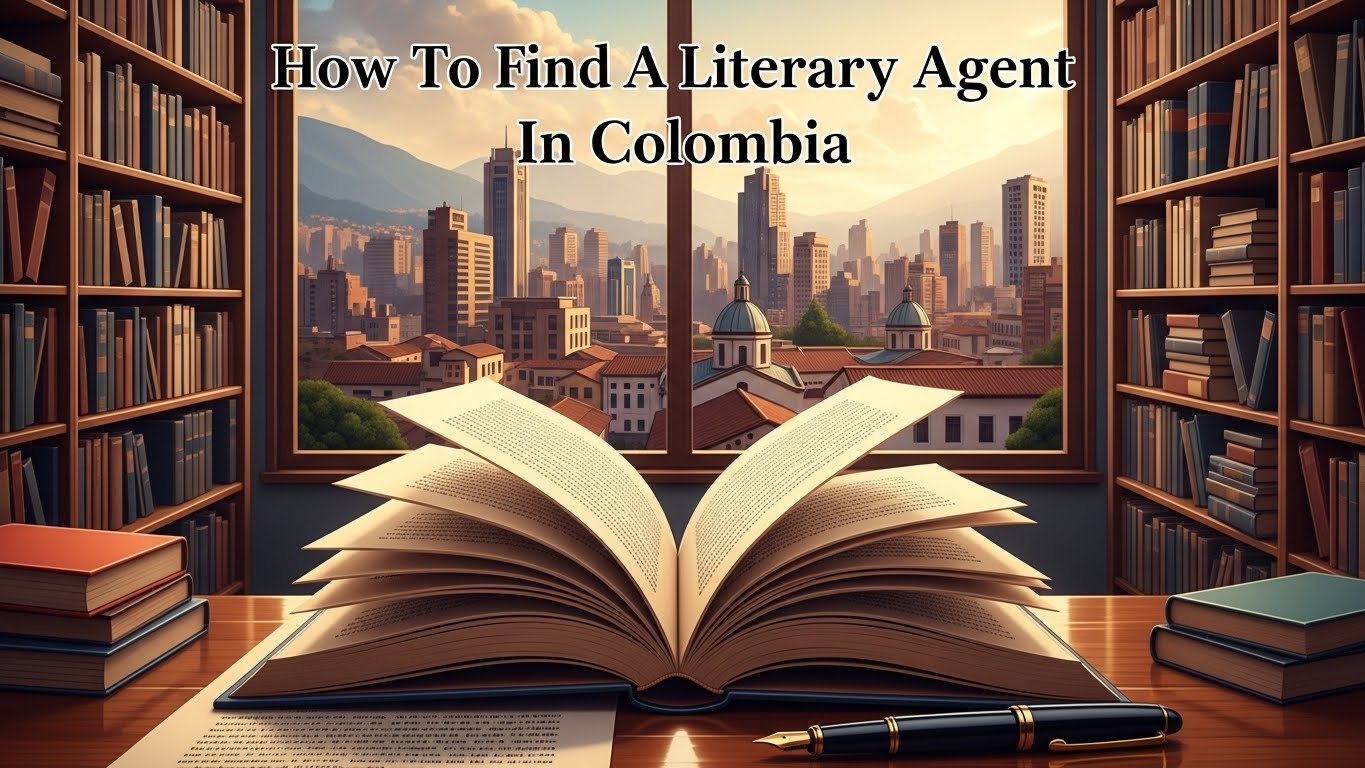
Finding the right literary agent can be one of the most important steps in an author’s publishing journey. In Colombia, where literature holds a deep cultural significance and the publishing industry continues to grow across Spanish-language markets, securing a literary agent can open doors to national recognition and international opportunities. However, the process requires patience, research, and a solid understanding of how the Colombian literary ecosystem works.
This guide walks you through everything you need to know about how to find a literary agent in Colombia, from understanding the local publishing landscape to preparing your manuscript and making professional submissions.
An Overview of Colombia’s Literary and Publishing Scene
Colombia has a rich literary heritage shaped by influential voices in fiction, poetry, journalism, and non-fiction. Today, the Colombian publishing industry is a blend of traditional publishing houses, independent presses, academic publishers, and digital platforms. Literary agents play a crucial role in bridging authors and publishers, especially for writers aiming to publish beyond Colombia or reach Spanish-speaking markets globally.
Unlike some countries where agents are essential for every book deal, Colombia offers multiple publishing paths. Still, having a literary agent provides negotiation expertise, contract protection, market access, and long-term career guidance.
What Does a Literary Agent Do?
Before beginning your search, it is important to understand what a literary agent actually does and how they support writers.
A literary agent:
- Reviews and evaluates manuscripts
- Provides editorial feedback when necessary
- Submits your work to suitable publishers
- Negotiates contracts and royalty terms
- Protects your legal and financial interests
- Explores translation, international, and adaptation rights
- Helps shape your long-term writing career
In Colombia, agents often represent authors across multiple Spanish-speaking territories, making them valuable allies for regional and international growth.
Do You Really Need a Literary Agent in Colombia?
While some Colombian publishers accept direct submissions, a literary agent is especially useful if:
- You want to publish with major publishing houses
- You aim for international publication or translations
- You are writing commercial fiction or serious non-fiction
- You want professional contract negotiation
- You plan to build a long-term writing career
For debut authors, an agent can significantly increase credibility and visibility within the industry.
Preparing Your Manuscript Before Contacting an Agent
One of the biggest mistakes writers make is approaching agents too early. Colombian literary agents expect polished, professional submissions.
Ensure Your Manuscript Is Complete
For fiction and non-fiction, your manuscript should be fully written, revised, and proofread. Poetry collections should be curated carefully, not just assembled randomly.
Polish Your Language and Style
Spanish-language manuscripts should demonstrate strong grammar, authentic voice, and cultural clarity. If your work includes regional expressions, ensure consistency and clarity.
Know Your Genre and Audience
Be clear about whether your work is literary fiction, commercial fiction, children’s literature, memoir, academic non-fiction, or genre fiction. Agents need to know where your book fits in the market.
Essential Submission Materials You Will Need
Most literary agents in Colombia request similar materials. Preparing these in advance improves your chances of success.
- Query letter: A concise, professional introduction to you and your book
- Synopsis: A clear summary of the entire work, including the ending
- Sample chapters: Usually the first 10–30 pages
- Author bio: Highlight writing experience, publications, or relevant background
Keep everything well-formatted and clearly labeled.
How to Research Literary Agents in Colombia
Finding the right agent is about quality, not quantity. Focus on agents who genuinely represent your type of work.
Look for Agents Specializing in Spanish-Language Literature
Many Colombian agents work across Latin America and Spain. Make sure they actively represent authors writing in Spanish and your specific genre.
Study Their Client Lists
Review the authors they represent. If their clients write books similar to yours, that is a strong indicator of compatibility.
Follow Industry Events
Book fairs, literary festivals, and publishing conferences in Colombia are excellent places to discover agents and understand current market trends.
Use Publishing Announcements
When books are released by Colombian authors, literary agents are often acknowledged. These mentions can guide your research.
How to Approach a Literary Agent Professionally
Professionalism is critical when contacting agents.
Personalize Each Submission
Avoid sending generic messages. Address the agent by name and explain briefly why your work suits their list.
Keep Your Query Clear and Concise
A strong query letter includes:
- A compelling hook
- A short summary of your book
- Genre and word count
- Your relevant background
Follow Submission Guidelines Carefully
If an agent requests specific materials or formatting, follow those instructions precisely.
Common Mistakes to Avoid
Many promising writers get rejected due to avoidable errors.
- Submitting unfinished or poorly edited manuscripts
- Sending mass emails without personalization
- Ignoring genre compatibility
- Writing overly long query letters
- Being unprofessional or impatient in follow-ups
Rejections are normal. Treat each one as part of the process.
Understanding Response Times and Expectations
Literary agents in Colombia may take several weeks or even months to respond. Silence often means they are not interested, but it does not reflect the quality of your work.
If an agent expresses interest, they may request:
- The full manuscript
- Revisions before representation
- A conversation about your publishing goals
Take your time to evaluate any offer of representation carefully.
The Role of Literary Agents in International Publishing
One of the biggest advantages of having a Colombian literary agent is access to international markets. Many agents work closely with publishers in Spain, Mexico, Argentina, and the United States.
They may help:
- Sell translation rights
- Negotiate international editions
- Secure literary awards and grants
- Pitch books to global book fairs
For authors with global ambitions, this support is invaluable.
Relevant Table: Steps to Finding a Literary Agent in Colombia
| Step | Description | Key Tip |
| Research | Identify agents who represent your genre | Focus on quality over quantity |
| Manuscript Prep | Finalize and polish your work | Professional editing matters |
| Query Letter | Write a compelling introduction | Keep it concise and personal |
| Submission | Follow agent guidelines carefully | Never mass-submit blindly |
| Waiting Period | Allow time for responses | Be patient and professional |
| Representation | Review any offer thoroughly | Ask questions before signing |
Should You Sign with the First Agent Who Says Yes?
Not necessarily. Representation is a professional partnership. Ask questions about:
- Submission strategy
- Communication style
- Commission structure
- International rights handling
A good agent should be transparent, supportive, and aligned with your career goals.
Alternatives If You Cannot Find an Agent Immediately
If you struggle to secure an agent, consider:
- Submitting directly to reputable publishers
- Publishing short works in literary magazines
- Building a strong writing portfolio
- Attending writing workshops and mentorship programs
Success in publishing often comes through persistence rather than speed.
Building a Long-Term Writing Career in Colombia
Finding a literary agent is not the end goal—it is the beginning of a professional journey. Continue improving your craft, engaging with the literary community, and staying informed about industry trends.
Colombia’s literary scene values originality, cultural depth, and strong storytelling. Writers who remain committed to quality and professionalism stand the best chance of long-term success.
Final Thoughts
Learning how to find a literary agent in Colombia requires research, preparation, and resilience. While the process can be competitive, the rewards are significant. A skilled literary agent can amplify your voice, protect your work, and guide your career across borders.
Focus on presenting your best work, approaching the right professionals, and trusting the process. With persistence and dedication, the right opportunity will come.