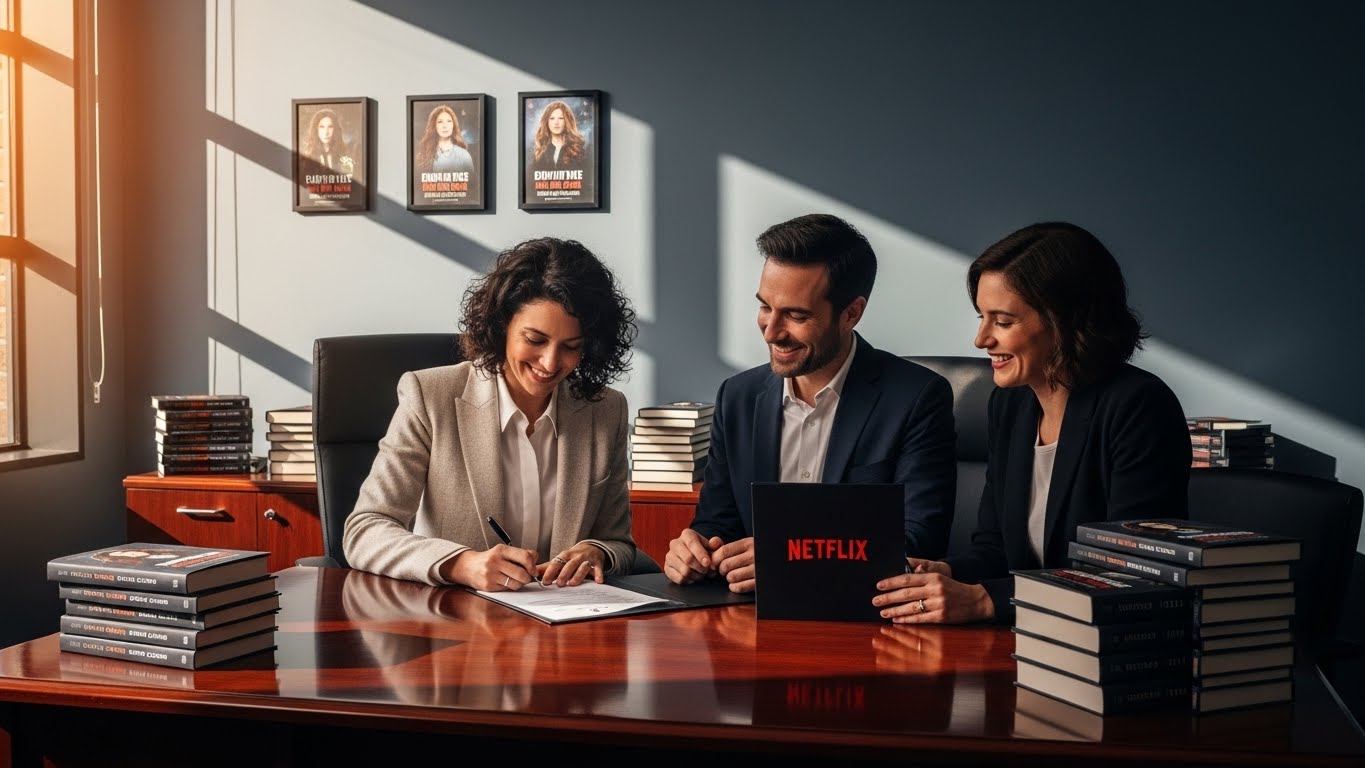
As the entertainment industry continues to expand, streaming platforms like Netflix have become powerful avenues for authors to reach global audiences. Selling book rights to Netflix is not just about monetization; it’s an opportunity to see your story come alive on screen and potentially reach millions of viewers worldwide. However, the process can be complex, and authors need a clear understanding of the steps involved. This 2026 guide breaks down everything you need to know, from preparing your manuscript to negotiating contracts, ensuring that you approach the process with a professional and strategic mindset.
Why Selling Book Rights to Netflix Is a Game-Changer
Netflix produces content for a global audience of over 250 million subscribers, making it a powerhouse in entertainment. By selling your book rights to Netflix, your story can reach audiences far beyond traditional book readers. Some of the benefits include:
- Global Reach: Your story has the potential to be seen in multiple languages across dozens of countries.
- Increased Revenue Streams: Authors can earn lucrative advances, royalties, and potentially backend profits.
- Brand Expansion: A Netflix adaptation can elevate your author brand, boosting book sales and speaking opportunities.
- Creative Collaboration: Working with filmmakers and showrunners allows your story to evolve in exciting ways.
This opportunity is not without its challenges. Understanding the legal, financial, and creative aspects of selling book rights is crucial for authors to succeed.
Step 1: Perfect Your Manuscript Through Editing
Before approaching Netflix or any entertainment company, your manuscript must be polished. Editing is a critical step that ensures your story is market-ready and compelling to producers. Here’s what to focus on:
- Developmental Editing: Focus on the big picture—story structure, pacing, and character arcs. Netflix content thrives on strong narratives that can translate to episodic or feature-length formats.
- Line Editing: Ensure clarity, flow, and tone consistency. Netflix’s adaptation teams prefer clean, well-crafted prose.
- Proofreading: Eliminate typos, grammatical errors, and formatting issues. A professionally edited manuscript reflects credibility and professionalism.
Investing in professional editing services is an author strategy that can significantly increase your chances of attracting a streaming platform.
Step 2: Understanding Book Rights
When discussing book rights, it’s essential to understand the types and how they apply to adaptations:
- Film/TV Rights: Allow a studio or platform to create a movie, series, or limited series based on your book.
- Audio Rights: Enable adaptations for audiobooks or podcasts, which may be part of Netflix’s marketing strategy.
- Merchandising Rights: Give permission to use characters or branding for merchandise, often negotiated separately.
For authors aiming to sell to Netflix, the most relevant is film and TV rights. Retaining other rights ensures that you maintain control over your intellectual property while maximizing income potential.
Step 3: Publishing Your Book Strategically
Whether your book is traditionally published or self-published, the approach can influence Netflix interest.
- Traditional Publishing: Books released through established publishers often gain more credibility and visibility. Publishers may also have pre-existing relationships with entertainment companies.
- Self-Publishing: Indie authors can attract Netflix by creating buzz through marketing, social media, and literary awards. A strong track record of book sales or a viral following can make your book highly appealing.
An important part of author strategy is demonstrating that your story has an audience. Netflix invests in content with proven appeal, so sales, reviews, and engagement metrics matter.
Step 4: Finding the Right Literary or Entertainment Agent
Navigating rights sales requires professional representation. Agents bridge the gap between authors and streaming platforms.
What to Look for in an Agent:
- Experience in film and TV rights sales
- Strong network with production companies and streaming platforms
- Knowledge of contracts and negotiation terms
Agents can handle submissions to Netflix, protect your intellectual property, and negotiate favorable financial terms. This step is crucial because selling book rights is more complex than a standard publishing deal.
Step 5: Crafting a Compelling Pitch
Once your manuscript is polished and you have an agent, the next step is pitching your book. A compelling pitch must sell not only your story but also its adaptation potential.
Elements of a Strong Pitch:
- Logline: One or two sentences summarizing your story. Keep it dramatic and attention-grabbing.
- Series Potential: Explain how your story can expand into multiple episodes or seasons.
- Target Audience: Highlight demographics and existing readership.
- Comparative Titles: Reference popular Netflix content that aligns with your book’s theme.
Netflix receives thousands of pitches annually, so standing out requires clarity, creativity, and an understanding of streaming trends.
Step 6: Understanding Netflix Acquisition Process
Netflix typically acquires book rights through the following process:
- Option Agreement: Netflix secures the right to adapt your book within a set period (usually 12–24 months) for a negotiated fee.
- Purchase of Rights: If the project moves forward, Netflix purchases full rights to produce the adaptation.
- Production Collaboration: You may be invited to consult, but creative control is usually in the hands of showrunners and producers.
It’s important to have legal representation during negotiations to ensure that your interests, financial compensation, and intellectual property are protected.
Step 7: Negotiating Financial Terms
Financial terms vary widely depending on your book’s popularity, genre, and potential audience. Key components include:
- Option Fee: Payment for Netflix to hold rights while deciding on production.
- Purchase Price: Fee for full adaptation rights.
- Royalties or Backend Profit: Some deals include profit-sharing if the adaptation is successful.
- Consulting or Writer Fees: Optional compensation if you participate in adaptation writing or consulting.
Here’s a simplified table illustrating potential financial scenarios:
| Deal Type | Typical Range (USD) | Notes |
| Option Fee | $5,000 – $50,000 | Payment for temporary rights |
| Full Rights Purchase | $50,000 – $500,000+ | Depending on book popularity and adaptation potential |
| Backend Royalties | 2% – 5% of net profits | Usually negotiated for highly successful adaptations |
| Author Consultation Fee | $10,000 – $50,000 | Optional fee if author participates in adaptation process |
This table offers a rough guide, but terms are highly negotiable and depend on your agent’s negotiation skills and your story’s market potential.
Step 8: Protecting Your Intellectual Property
While selling book rights can be lucrative, it’s critical to protect your intellectual property. Key steps include:
- Contracts: Ensure all terms, including adaptation rights, royalties, and credit, are clearly outlined.
- Copyright Registration: Confirm your manuscript is registered to prevent unauthorized use.
- Retaining Other Rights: Keep publishing, merchandising, and audiobook rights if not included in the deal.
Netflix often negotiates for exclusive adaptation rights, but retaining other avenues allows you to continue monetizing your work independently.
Step 9: Maximizing Your Author Strategy Post-Sale
Selling book rights is just the beginning. A successful author strategy ensures your book and brand benefit long after the deal:
- Marketing Tie-Ins: Leverage the Netflix adaptation to boost book sales. Coordinate with your publisher or use social media to highlight the adaptation.
- Public Relations: Appear on podcasts, interviews, and literary events to maintain visibility.
- Cross-Promotion: Collaborate with Netflix marketing campaigns when possible to maximize exposure.
- Future Projects: Use the success of one adaptation to negotiate better deals for future works.
Authors who integrate rights sales into a broader career strategy often see significant long-term growth in both readership and income.
Step 10: Common Challenges and How to Overcome Them
Selling book rights to Netflix is exciting but not without obstacles. Common challenges include:
- High Competition: Netflix receives thousands of pitches, so standing out is essential.
- Loss of Creative Control: Adaptations often differ from the source material. Authors must decide how involved they wish to be.
- Complex Contracts: Navigating legal terms can be daunting without professional help.
- Market Timing: Streaming trends change quickly, so timing your pitch is critical.
Solution: Build a strong author strategy by investing in editing, hiring a skilled agent, and crafting a clear, marketable pitch. Persistence and flexibility are key.
Final Thoughts
Selling book rights to Netflix in 2026 offers authors an unprecedented opportunity to reach a global audience and diversify revenue streams. From professional editing to strategic publishing, agent representation, and careful contract negotiation, each step requires careful planning and execution. While challenges exist, a thoughtful approach and strong author strategy can transform your manuscript into a major screen adaptation, opening doors for future creative and financial success.
By understanding the process, protecting your rights, and aligning your career strategy with your creative goals, you can position yourself as a competitive candidate for streaming adaptation. Netflix, with its massive global reach, represents not just an opportunity to share your story but to cement your legacy as a modern storyteller.
Frequently Asked Questions (FAQs)
Q1. What are book rights, and why are they important for Netflix adaptations?
Book rights are the legal permissions that allow a third party, like Netflix, to adapt your story into a movie or series. They are crucial because they determine what aspects of your book can be used and how you are compensated.
Q2. Do I need a literary agent to sell my book rights to Netflix?
While not mandatory, having a literary or entertainment agent greatly increases your chances. Agents have industry connections, negotiation experience, and understand how to structure deals that protect your interests.
Q3. Can self-published authors successfully sell rights to streaming platforms?
Yes, self-published authors can sell rights if their book demonstrates strong readership, engagement, or viral potential. Netflix often considers audience metrics and story appeal rather than traditional publishing status alone.
Q4. How much can an author typically earn from selling book rights to Netflix?
Earnings vary widely, but authors can receive an option fee ($5,000–$50,000), full rights purchase ($50,000–$500,000+), and sometimes backend royalties (2–5% of net profits) depending on the book’s popularity and adaptation potential.
Q5. Will I have creative control over how Netflix adapts my book?
Generally, Netflix retains creative control, but authors may negotiate consulting roles or writer participation. Retaining certain rights and being involved in the adaptation process can help preserve your vision.