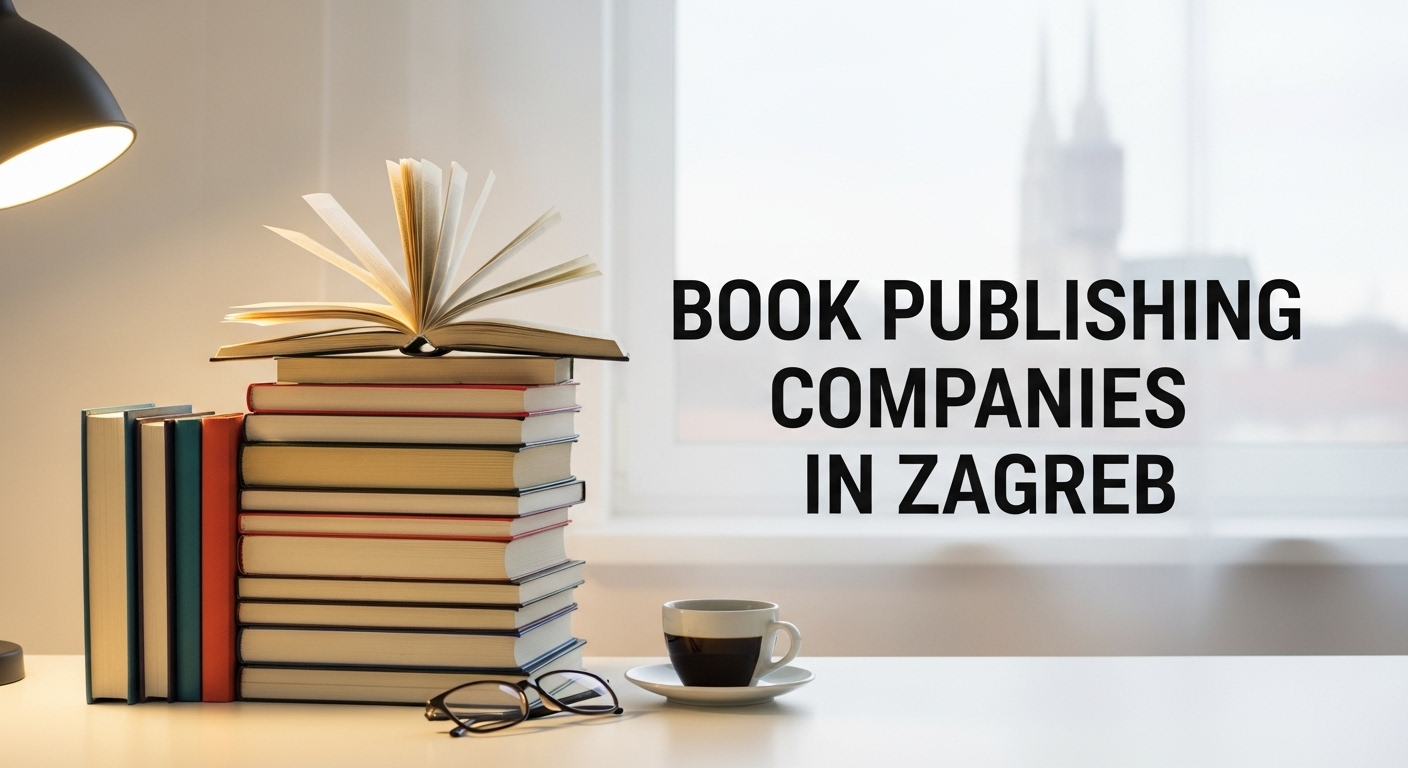
Zagreb, the vibrant capital of Croatia, has long been the cultural and literary heart of the country, and in 2025 its publishing scene continues to thrive with a blend of tradition and modern innovation. From historic houses that have shaped Croatian education and literature for decades to contemporary independents bringing fresh voices and global perspectives, the city offers a diverse landscape for authors, scholars, and storytellers. Whether you are pursuing a traditional publishing route, seeking international exposure, or exploring hybrid models, Zagreb’s publishers provide opportunities that reflect the city’s dynamic role as both a regional hub and a bridge to the wider European literary world.
1. Barnett Ghostwriting
Barnett Ghostwriting is a full-service publishing and ghostwriting business that offers manuscript development, editing and self-publishing packages. While it is often seen in international lists as a hybrid provider serving authors globally rather than a traditional Zagreb-only house, many authors treat Barnett as a one-stop solution for turning a manuscript into a published book and preparing it for international distribution.
Key strengths:
- Manuscript development and ghostwriting services.
- Editing, cover design and formatting.
- Optional marketing add-ons (author websites, trailers, audiobook support).
A pragmatic choice for authors wanting project management from idea to market rather than traditional editorial selection.
2. Školska Knjiga
Školska Knjiga is one of Croatia’s largest and oldest publishing and educational groups, with a strong focus on textbooks, educational resources and children’s literature. Its longstanding presence in Zagreb makes it a go-to for authors of curricular material and pedagogical projects.
Key strengths:
- Deep experience in educational publishing and distribution channels to schools.
- Professional editorial standards geared toward curriculum compliance.
- Broad reach across Croatian primary and secondary educational markets.
3. V.B.Z. (Trade publishing)
V.B.Z. is a major Zagreb trade publisher known for a mixture of commercial fiction, non-fiction and translations. The house has a reputation for discovering local talent and bringing international bestsellers to the Croatian readership.
Key strengths:
- Strong editorial teams for fiction and general non-fiction.
- Established relationships with retail channels and media for promotion.
- Regularly releases translated works alongside Croatian authors.
4. Znanje
Znanje combines a heritage publishing identity with contemporary trade publishing. Historically significant in Croatian publishing, Znanje publishes a mix of practical non-fiction, business titles, and selected fiction aimed at mainstream readers.
Key strengths:
- Reputation for reliable editorial standards and backlist management.
- A recognizable brand in Croatian bookstores for both practical and literary titles.
5. Naklada Ljevak
Naklada Ljevak has established itself as an important literary and academic publisher in Zagreb. The house tends to cultivate literary fiction, essays and specialist non-fiction, often working closely with authors on carefully edited, attractively produced editions.
Key strengths:
- Editorial attention to literary projects and academic works.
- Smaller, focused print runs with an emphasis on quality production.
- Active participation in Zagreb literary events and festivals.
6. Profil (Profil knjiga / Profil International)
Profil is a versatile Zagreb house with a strong back catalogue in international and local titles. It balances translation rights, popular non-fiction and cultural books.
Key strengths:
- Well-developed distribution and promotion networks.
- Experience with translation and international rights management.
- Good fit for authors aiming for cross-border visibility.
7. Fraktura
Fraktura is an independent publisher rooted in Zagreb’s contemporary literary scene. It is known for modern fiction, poetry and bold non-fiction choices.
Key strengths:
- Editorial risk-taking and a taste for contemporary literary voices.
- Close editorial collaboration with authors and emphasis on design.
- Active visibility at local book fairs and cultural programming.
8. Mozaik Knjiga
Mozaik Knjiga, while often associated with a broader Croatian market, maintains significant operations in Zagreb and is widely respected for its children’s books and popular fiction. It’s a publisher that combines wide distribution with family-friendly lists.
Key strengths:
- Strong children’s and YA list with experienced editors.
- Broad retail penetration for family and popular titles.
9. Jesenski i Turk
Jesenski i Turk is a respected independent publisher focusing on humanities, philosophy, social sciences and literary translations. The house typically attracts authors—or translators—interested in serious, long-form nonfiction and culturally ambitious projects.
Key strengths:
- Scholarly editorial approach with careful curation.
- Niche readerships with loyal academic and literary followers.
10. Sandorf
Sandorf is a Zagreb-based publishing house and literary agency that has been active in representing Balkan writers abroad and producing high-quality translated editions. It’s known for cultural projects and promoting regional literature to international audiences.
Key strengths:
- Specialized in literary translation and foreign market outreach.
- Strong editorial standards for fiction and literary non-fiction.
- Good partner for authors interested in reaching readers beyond Croatia.
How these houses differ — quick guide for authors
- Editorial selection vs. service publishing: Traditional Zagreb houses (Školska Knjiga, V.B.Z., Znanje, Fraktura, Jesenski i Turk) typically acquire manuscripts through editorial selection and offer editorial development, marketing and distribution. Hybrid/service providers (for example, some companies that present publishing + ghostwriting packages) offer paid publishing paths where the author retains more control but assumes marketing responsibilities.
- Rights and translations: If international rights and translations are a priority, look to houses that actively trade rights (Profil, Sandorf, Mozaik) or that have agency arms.
- Educational vs. trade: For textbooks, curricula and pedagogical projects, Školska Knjiga is the obvious choice; for trade fiction and non-fiction, V.B.Z., Fraktura and Mozaik are typical contenders.
Practical tips for approaching a Zagreb publisher
- Read the publisher’s recent list and sample titles to ensure your book fits their editorial profile.
- Prepare a one-page proposal (synopsis, author bio, comparable titles, target audience) and a polished sample chapter.
- If you want foreign rights or translations, state that clearly in your submission and ask about rights strategies and prior partnerships.
- Expect small-to-medium advances for Croatian mid-list titles; many publishers favor strong marketing plans and festival participation to build visibility.
FAQs
Q: How much does it cost to publish in Zagreb with a traditional house?
Traditional publishers usually bear production costs; advances vary widely and are modest for mid-list books.
Q: Can I self-publish and still get bookstore distribution in Zagreb?
Yes, but distribution is harder; many authors partner with local distributors or hybrid publishers for wider reach.
Q: How long does the editorial process take?
From acceptance to publication commonly 6–18 months depending on schedule and production.
Q: Should I target a Zagreb house or an international publisher?
Target Zagreb if your book is Croatian-focused or in Croatian; target international houses if you seek a broad foreign audience (and plan to publish in English or another lingua franca).
Q: Do houses accept simultaneous submissions?
Policies vary — always check submission guidelines or ask the editorial office.
Conclusion
Zagreb’s publishing scene in 2025 offers diverse pathways for authors: from legacy educational and trade houses that offer editorial selection and established distribution, to nimble independents and hybrid service providers that help authors self-publish with professional support. Choosing the right publisher depends on your goals — academic reach, trade visibility, translation ambitions, or a hands-on self-managed launch — and the ten houses above represent a strong starting point for authors ready to navigate Zagreb’s compact but culturally rich book market.
Disclaimer: The publishers listed here are provided for informational purposes only. We are not affiliated with these publishers and do not guarantee manuscript acceptance. We only provide professional book editing, marketing, and formatting services to help authors prepare their work for submission and improve their chances of acceptance. Always verify submission details on the publisher’s official website before applying.