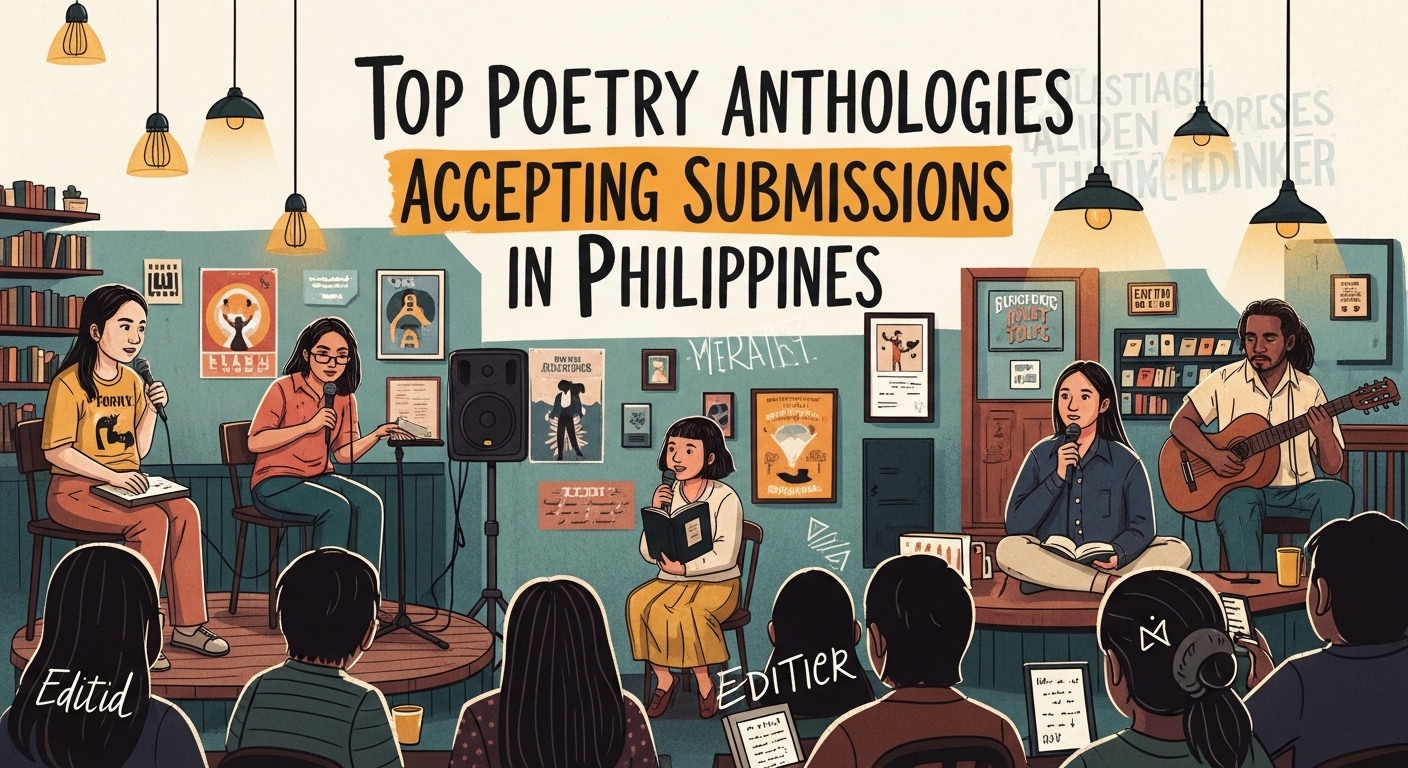
The Philippines has long been a fertile ground for poetry, shaped by a rich blend of indigenous traditions, colonial history, and contemporary voices that continue to redefine literary expression. From spoken word movements in urban centers to carefully curated literary journals emerging from universities and independent presses, the country offers poets a wide range of platforms to share their work. For writers seeking opportunities in editing, publishing, and design, poetry anthologies in the Philippines present both creative validation and professional growth. These collections are not merely compilations of poems; they are thoughtfully edited spaces where voices converge, styles evolve, and literary communities take shape.
Understanding which anthologies are open to submissions—and what they are looking for—can help poets navigate the literary landscape more effectively. This guide explores some of the most notable poetry anthologies in the Philippines that welcome submissions, while also shedding light on their editorial vision, publishing process, and aesthetic sensibilities.
The Growing Landscape of Philippine Poetry Anthologies
In recent years, the Philippine literary scene has seen a remarkable rise in independent publishing initiatives. Small presses and university-based publications have become key players in amplifying diverse voices. This shift has also brought greater attention to the importance of editing and design in shaping a poet’s work for publication. Anthologies today are curated with intention, often centered around themes such as identity, diaspora, language, and social change.
What makes Philippine anthologies particularly compelling is their multilingual nature. Many accept works in English, Filipino, and regional languages such as Cebuano, Ilocano, and Hiligaynon. This inclusivity not only broadens the scope of storytelling but also enriches the editing process, as editors must remain sensitive to linguistic nuances while maintaining coherence within the collection.
University-Based Anthologies and Their Influence
Academic institutions in the Philippines play a significant role in nurturing poetic talent. Their anthologies are often regarded as prestigious platforms, offering both emerging and established writers the chance to be part of a carefully curated publication.
University-based anthologies typically follow a rigorous editing process, where submissions undergo multiple rounds of review. Editors—often composed of faculty members and experienced writers—focus on refining language, structure, and thematic consistency. The publishing standards are high, and attention to design ensures that the final product reflects both academic excellence and artistic integrity.
These anthologies are particularly valuable for poets who are serious about honing their craft. Being included in such a publication not only enhances a writer’s credibility but also provides insight into professional editing practices and collaborative publishing environments.
Independent Literary Presses and Creative Freedom
While universities offer structure and prestige, independent presses bring experimentation and creative freedom. These publishers are often more open to unconventional forms, hybrid poetry, and bold thematic explorations. Their anthologies tend to push boundaries, both in terms of content and design.
Independent presses in the Philippines are known for their distinctive visual aesthetics. The design of an anthology—its cover, typography, and layout—plays a crucial role in how the poetry is received. Editors and designers often work closely to ensure that the visual presentation complements the tone of the poems.
For poets, submitting to independent anthologies can be an exciting opportunity to be part of innovative projects. These publications often embrace voices that challenge norms, making them ideal for writers experimenting with style or addressing complex social issues.
Digital Anthologies and the Rise of Online Publishing
The digital age has transformed the way poetry is shared and consumed. Online anthologies have become increasingly popular in the Philippines, offering accessible platforms for writers across the country and beyond. These digital publications often have shorter submission cycles and faster publishing timelines, making them appealing to emerging poets.
Editing in digital anthologies tends to be collaborative and dynamic. Writers may receive feedback directly from editors, allowing for a more interactive revision process. Additionally, digital platforms enable creative design elements such as multimedia integration, where poetry can be accompanied by visual art, audio recordings, or interactive features.
Online anthologies also provide greater visibility. With global reach, they allow Filipino poets to connect with international audiences, expanding the impact of their work beyond traditional print boundaries.
Themes and Editorial Focus in Philippine Anthologies
One of the defining characteristics of poetry anthologies in the Philippines is their thematic depth. Many collections are built around specific ideas, reflecting the socio-political and cultural realities of the country. Themes such as migration, identity, colonial memory, environmental concerns, and resistance frequently appear in these works.
Editors play a crucial role in shaping these themes. Their vision determines not only which poems are selected but also how they are arranged within the anthology. This process requires a delicate balance between individual expression and collective coherence. The editing phase often involves refining language, adjusting tone, and ensuring that each poem contributes meaningfully to the overall narrative.
Design also plays a role in reinforcing these themes. The visual elements of an anthology—color schemes, imagery, and layout—are carefully chosen to enhance the reader’s experience. In many cases, the design becomes an extension of the poetry itself.
Key Anthologies Accepting Submissions
Below is a curated overview of notable poetry anthologies and platforms in the Philippines that frequently accept submissions. While submission windows may vary, these publications are known for their openness to new voices and their commitment to quality editing and publishing.
| Anthology / Platform | Focus Area | Submission Style | Notable Strength |
| Philippines Free Press Literary Annual | Traditional and contemporary poetry | Formal submissions | Strong editorial legacy |
| Likhaan: UP Institute of Creative Writing Anthology | Academic and literary excellence | Thematic calls | Rigorous editing process |
| Heights (Ateneo Literary Journal) | Student and emerging writers | Open submissions | Prestigious university backing |
| Kritika Kultura Anthology | Interdisciplinary and global themes | Curated entries | Scholarly depth |
| Cordite Poetry Review (Philippines-focused issues) | International and Filipino voices | Online submissions | Global reach and modern design |
| Words Anonymous Anthologies | Contemporary and experimental poetry | Community-driven calls | Inclusive and accessible platform |
| Santelmo Anthology Projects | Speculative and themed poetry | Concept-based submissions | Creative freedom and bold themes |
Each of these anthologies represents a different facet of the Philippine literary ecosystem. Some emphasize tradition and academic rigor, while others celebrate experimentation and inclusivity. Understanding their editorial preferences can significantly improve a poet’s chances of acceptance.
The Role of Editing in Anthology Success
Editing is at the heart of every successful anthology. In the Philippines, editors are often deeply involved in the development of each poem, offering constructive feedback and guiding writers through revisions. This collaborative approach ensures that the final publication maintains a high standard of quality.
For poets, this process can be both challenging and rewarding. It requires openness to critique and a willingness to refine one’s work. However, it also provides an opportunity to learn from experienced editors and improve one’s craft.
The editing process also extends to the overall structure of the anthology. Decisions about sequencing, thematic grouping, and pacing are crucial in creating a cohesive reading experience. A well-edited anthology feels intentional, with each poem contributing to a larger narrative.
Publishing Opportunities and Career Growth
Being published in a Philippine poetry anthology can open doors to numerous opportunities. It can lead to invitations for readings, collaborations with other writers, and even future book deals. For emerging poets, it serves as a stepping stone into the broader literary world.
Publishing in anthologies also helps writers build a portfolio. This is particularly important for those seeking professional opportunities in writing, editing, or academia. A strong publication record demonstrates both talent and commitment, making it easier to gain recognition within the literary community.
Moreover, anthologies often reach diverse audiences, including educators, students, and literary enthusiasts. This exposure can significantly enhance a poet’s visibility and influence.
The Importance of Design in Modern Anthologies
Design is no longer an afterthought in publishing; it is an integral part of the creative process. In the Philippines, many anthologies are celebrated for their innovative design, which enhances the impact of the poetry.
From minimalist layouts to visually rich compositions, design choices can shape how readers engage with the text. Typography, spacing, and imagery all contribute to the overall aesthetic. In some cases, the design reflects cultural elements, incorporating traditional motifs or contemporary art styles.
For poets, being part of a well-designed anthology adds value to their work. It ensures that their poetry is presented in a way that resonates with readers, both visually and emotionally.
Navigating the Submission Process
Submitting to poetry anthologies requires careful preparation. Writers must pay attention to guidelines, themes, and formatting requirements. While each anthology has its own preferences, there are some common expectations.
Poems should be polished and thoughtfully edited before submission. Clarity, originality, and emotional depth are key factors that editors look for. It is also important to align submissions with the anthology’s theme, as this increases the likelihood of acceptance.
Understanding the publishing timeline is equally important. Some anthologies have specific submission windows, while others accept entries year-round. Keeping track of these deadlines can help writers plan their submissions strategically.
Conclusion
The Philippines offers a vibrant and evolving landscape for poetry anthologies, providing countless opportunities for writers to share their voices. From university-led publications to independent presses and digital platforms, each anthology contributes to a dynamic ecosystem shaped by thoughtful editing, innovative publishing, and compelling design. For poets, these platforms are more than just outlets for their work—they are spaces for growth, collaboration, and creative exploration. By understanding the nuances of each anthology and approaching the submission process with intention, writers can find meaningful pathways into the world of Philippine poetry publishing.
Disclaimer: The information regarding these anthologies is a general resource. Readers must independently verify all current submission requirements, including genres and deadlines, on the official press websites. We do not guarantee the accuracy of all details or the successful outcome of any submission.