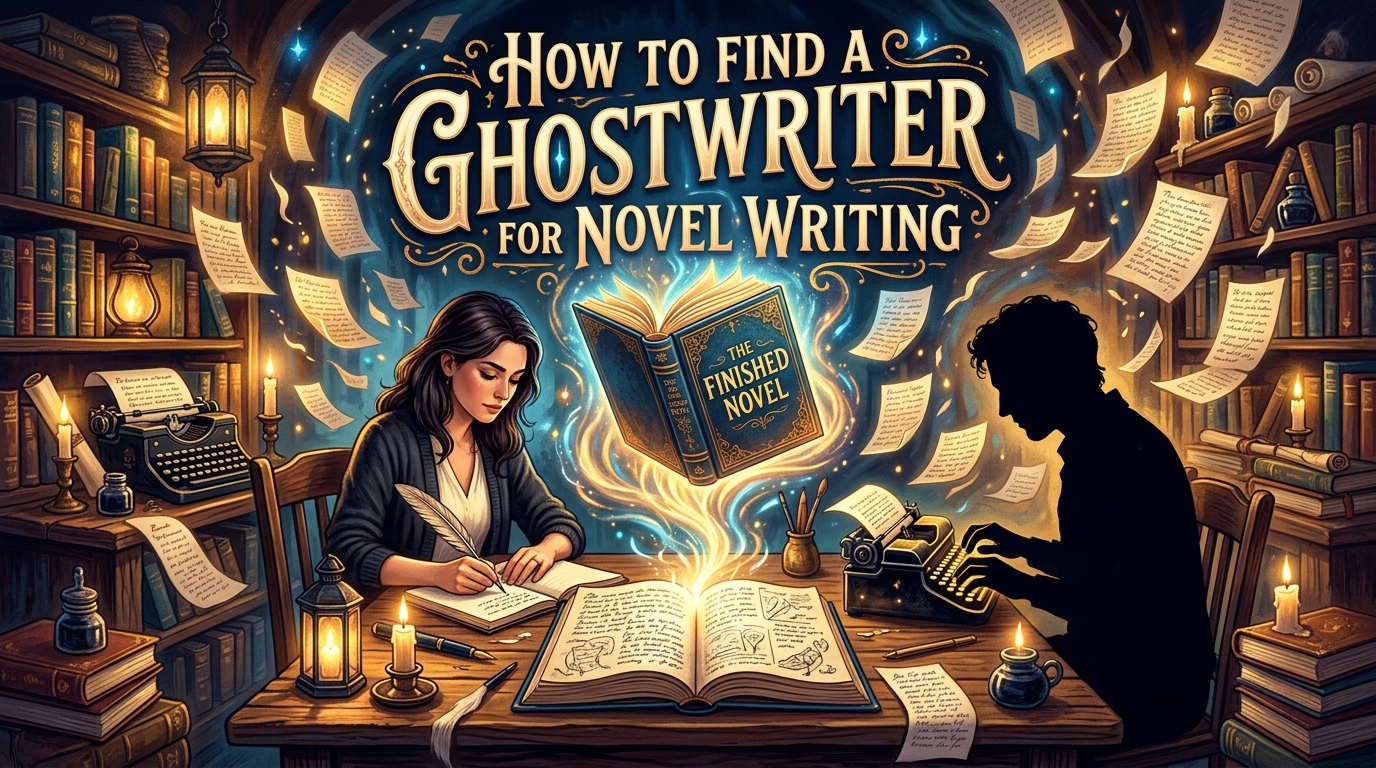
The publishing world has changed dramatically over the last decade. More aspiring authors are entering the industry than ever before, yet many of them struggle with the same problem: they have a compelling story idea but lack the time, structure, or writing experience needed to turn that idea into a polished novel. This is where ghostwriters have become increasingly important.
Novel ghostwriting is no longer reserved only for celebrities or public figures. Entrepreneurs, professionals, influencers, busy parents, and even first-time storytellers are now hiring ghostwriters to help bring fictional worlds to life. Some people simply want assistance organizing their plot, while others need a professional writer to handle the entire manuscript from beginning to end.
Finding the right ghostwriter for novel writing, however, can feel overwhelming. The internet is crowded with freelancers, agencies, marketplaces, and self-proclaimed experts. Prices vary wildly, writing quality differs dramatically, and many aspiring authors are unsure how to evaluate whether a ghostwriter is truly capable of capturing their vision.
The process requires more than hiring someone who can write grammatically correct sentences. A novel ghostwriter must understand storytelling psychology, pacing, dialogue, emotional arcs, genre expectations, and voice consistency. They are not just writers; they are creative collaborators who help shape an invisible bridge between your imagination and the reader’s experience.
This guide explores how to find the right ghostwriter for novel writing, what qualities matter most, how pricing works, where to search, and how to avoid common mistakes that can damage a project before it even begins.
Understanding What a Novel Ghostwriter Actually Does
Before searching for a ghostwriter, it is important to understand what ghostwriting involves in the context of novel writing.
A ghostwriter creates written material that is officially credited to another person. In fiction, this can range from writing an entire novel based on your concept to helping develop outlines, scenes, dialogue, or character arcs. Some ghostwriters work from detailed notes provided by the client, while others build the entire narrative from a simple idea or summary.
Novel ghostwriting is highly collaborative. The writer is expected to understand your goals, genre preferences, emotional tone, and creative direction. Unlike technical writing or business content, novels require emotional intelligence and storytelling depth.
A fantasy novel, for example, may require extensive worldbuilding and lore development. A romance novel demands believable emotional chemistry. A thriller relies heavily on suspense and pacing. The ghostwriter must adapt to the unique storytelling rules of the genre while still maintaining your vision.
Many people mistakenly assume ghostwriters simply “type up” ideas. In reality, professional novel ghostwriters often contribute structural expertise, plot refinement, pacing adjustments, and character consistency that significantly improve the final manuscript.
Why Many Aspiring Authors Choose Ghostwriters
Not everyone who wants to publish a novel has the ability to write one independently. That reality has become more accepted within modern publishing.
Some aspiring authors have extraordinary story concepts but lack confidence in their writing skills. Others have demanding careers that leave little time for drafting a 70,000-word manuscript. In many cases, people start writing their own novels but become stuck halfway through the process because maintaining long-form storytelling discipline is extremely difficult.
A professional ghostwriter can help accelerate the journey from idea to finished book.
For business owners and public figures, ghostwriters often help transform personal experiences into fictionalized stories with commercial appeal. For first-time authors, they provide structure and guidance that can prevent years of frustration.
There is also the emotional factor. Writing a novel requires sustained motivation over many months. Many clients hire ghostwriters because collaboration keeps the project moving forward consistently.
The Difference Between Ghostwriters and Co-Authors
One of the biggest areas of confusion involves the difference between a ghostwriter and a co-author.
A ghostwriter usually remains anonymous and transfers all rights to the client once the project is complete. The published book appears solely under the client’s name unless another agreement exists.
A co-author, on the other hand, receives visible credit for contributing to the book. Their name may appear on the cover or inside acknowledgments.
Understanding this distinction matters because it affects pricing, contracts, ownership rights, and creative control.
Some writers prefer co-author relationships because they want public recognition for their work. Others specialize exclusively in ghostwriting and are comfortable remaining invisible behind the scenes.
When searching for a novel ghostwriter, clarity about these expectations prevents misunderstandings later.
Where to Find Professional Ghostwriters for Novels
The search for a qualified ghostwriter can begin in several places, but each option comes with advantages and disadvantages.
Freelance Platforms
Freelance marketplaces have become one of the most common starting points for finding ghostwriters. These platforms allow clients to browse writer profiles, reviews, portfolios, and pricing ranges.
The advantage is accessibility. You can compare multiple candidates quickly and communicate directly with writers before hiring them.
However, quality varies dramatically. Some profiles may look impressive while delivering mediocre storytelling ability. Others may outsource work secretly to cheaper writers. This makes portfolio evaluation extremely important.
Freelance platforms are best suited for authors who are comfortable managing the hiring process independently.
Ghostwriting Agencies
Ghostwriting agencies provide a more structured approach. They typically vet writers internally and match clients with professionals based on genre, project size, and writing style.
This can save significant time because the agency handles much of the screening process.
The downside is cost. Agencies usually charge more because they operate as intermediaries between client and writer. Communication can sometimes feel less direct as well.
Still, agencies are attractive for clients who prefer professional oversight and project management support.
Writing Communities and Author Networks
Many excellent ghostwriters are discovered through writing communities, publishing forums, LinkedIn, and author referrals.
Writers who rely heavily on referrals often maintain stronger reputations because their business depends on long-term credibility rather than quick transactions.
Networking within author circles can sometimes lead to more trustworthy and experienced professionals than crowded freelancer marketplaces.
Qualities to Look for in a Novel Ghostwriter
Choosing a ghostwriter should never be based only on price. Storytelling quality matters far more than finding the cheapest option.
The first quality to evaluate is genre familiarity. Someone skilled in writing business books may struggle with emotional fiction pacing. Likewise, a romance specialist may not understand complex science fiction worldbuilding.
A writer’s previous experience within your genre often determines whether they can meet reader expectations effectively.
Communication skills also matter enormously. Novel writing is a long-term collaboration. If communication feels unclear or inconsistent early on, problems usually intensify later.
Another important factor is adaptability. A strong ghostwriter can adjust their writing voice to align with your ideas rather than forcing their own style onto the manuscript.
Professionalism is equally critical. Deadlines, contracts, revisions, confidentiality, and responsiveness all contribute to a successful project experience.
Questions You Should Ask Before Hiring
The interview stage helps reveal whether a ghostwriter is genuinely compatible with your project.
Ask about their previous novel experience and whether they have worked within your genre before. Discuss how they approach outlining, revisions, and character development.
It is also important to ask how collaborative their process is. Some writers prefer detailed direction from the client, while others take more creative initiative.
Understanding revision policies can prevent future frustration. Some ghostwriters include multiple revision rounds in their pricing, while others charge extra after a certain limit.
Confidentiality should also be discussed openly. Professional ghostwriters typically sign non-disclosure agreements to protect the client’s ownership rights and privacy.
Evaluating Writing Samples Properly
Many aspiring authors focus too heavily on grammar when reviewing writing samples. While technical accuracy matters, storytelling ability matters more.
Pay attention to pacing, emotional engagement, dialogue realism, and scene transitions. Does the writing pull you into the story naturally? Do characters feel believable?
Another overlooked factor is consistency. Some writers can produce impressive opening pages but struggle to maintain quality across long-form narratives.
Requesting longer samples or discussing completed projects can help evaluate whether the writer can sustain storytelling quality throughout an entire novel.
Comparison of Ghostwriter Hiring Options
| Hiring Option | Best For | Advantages | Challenges |
| Freelance Platforms | Budget-conscious authors | Large talent pool and flexible pricing | Quality inconsistency |
| Ghostwriting Agencies | Professional oversight | Managed process and vetted writers | Higher costs |
| Referrals and Networks | Long-term quality seekers | Trusted recommendations | Slower search process |
| Writing Communities | Genre-focused projects | Passionate niche writers | Requires deeper screening |
Understanding Ghostwriting Costs
One of the most misunderstood aspects of ghostwriting is pricing.
Novel ghostwriting is expensive because it involves months of creative labor. Professional ghostwriters may spend hundreds of hours developing outlines, writing drafts, revising chapters, and refining storytelling elements.
Pricing depends on several factors including genre complexity, manuscript length, writer experience, turnaround time, and research demands.
Lower-cost options may appear attractive initially, but extremely cheap pricing often signals inexperience or poor quality. Many authors who hire bargain ghostwriters end up paying twice after needing major rewrites later.
Professional novel ghostwriting projects can range from a few thousand dollars to tens of thousands depending on scope and expertise.
The investment reflects not only word count but storytelling craftsmanship.
The Importance of Contracts
A formal agreement protects both the author and the ghostwriter.
The contract should clearly define project scope, deadlines, payment structure, revision limits, ownership rights, confidentiality expectations, and termination terms.
Without a contract, misunderstandings can easily escalate into legal or financial disputes.
Ownership rights are especially important in fiction ghostwriting. Most clients expect full rights transfer after payment completion. The agreement should state this explicitly.
Professional writers usually welcome contracts because they create clarity and protect both sides.
Red Flags to Watch Out For
Not every ghostwriter advertising online is genuinely qualified.
One major warning sign is unrealistic promises. No legitimate writer can guarantee bestseller status or publishing success. Fiction publishing depends on countless market variables beyond writing quality alone.
Another concern is a lack of portfolio transparency. Writers unwilling to discuss past experience or provide any type of sample may lack professional credibility.
Poor communication early in the process often predicts larger problems later. Delayed responses, vague answers, or inconsistent professionalism should not be ignored.
Excessively low pricing can also signal rushed work, plagiarism risks, or outsourced writing.
Trust and professionalism matter deeply in ghostwriting relationships because these collaborations often last several months.
Building a Strong Collaborative Relationship
Finding a ghostwriter is only the beginning. The success of the novel often depends on the strength of the working relationship afterward.
Clear communication helps maintain alignment throughout the project. Authors should provide honest feedback while remaining open to professional storytelling guidance.
The best collaborations operate like creative partnerships rather than transactional exchanges.
Writers need enough creative freedom to solve narrative problems effectively, but clients also deserve consistent involvement in shaping the vision.
Respect, transparency, and realistic expectations create healthier long-term collaboration dynamics.
How the Publishing Industry Views Ghostwriting Today
Ghostwriting once carried a stigma in creative industries, but attitudes have changed significantly.
Publishing today recognizes that storytelling is often collaborative. Many bestselling novels, celebrity books, and commercial fiction projects involve hidden creative contributors.
Readers primarily care about compelling stories rather than the mechanics behind the writing process.
As self-publishing continues expanding globally, ghostwriting has become even more normalized. Independent authors frequently hire professional writers to compete within increasingly crowded digital marketplaces.
The industry now views ghostwriting less as deception and more as creative partnership.
Final Thoughts on Finding the Right Novel Ghostwriter
Finding the right ghostwriter for novel writing is not simply about hiring someone who can write well. It is about finding a creative partner who understands storytelling, respects your vision, communicates effectively, and can transform ideas into emotionally engaging fiction.
The process requires patience and careful evaluation. Rushing into agreements based solely on low pricing or impressive marketing claims often leads to disappointment.
A strong ghostwriter does more than create pages. They help shape narrative structure, deepen emotional resonance, and guide ideas into a form readers can connect with meaningfully.
For aspiring novelists who feel overwhelmed by the writing process, ghostwriters can provide the bridge between imagination and publication. The key lies in choosing someone whose experience, communication style, and storytelling instincts genuinely align with your goals.
When approached thoughtfully, ghostwriting becomes less about outsourcing creativity and more about building a collaborative path toward bringing a novel into existence.